Skip to content
Naltrexone

Naltrexone

Quality products
24/7 Support
Fast delivery
Delivery from 4 days
Active ingredient Naltrexone

Free delivery on orders from £ 166.00, free express delivery from £ 249.00

Naltrexone is taken by mouth as a capsule for selected cases of alcohol dependence and relapse prevention after opioid detoxification. It blocks opioid receptors, reducing opioid reward and helping limit alcohol-related reinforcement when used within a structured treatment plan.

Overview

Naltrexone is an opioid antagonist. The medicine is used in two main clinical settings:

  • prevention of relapse after opioid detoxification;
  • support for reducing alcohol use in alcohol dependence.

Directions for use

The supplied capsule should be taken by mouth. Oral naltrexone may be taken with or without food, although taking it after a meal can be easier for people who develop nausea.

Low-dose naltrexone is a separate, off-label prescribing approach. It uses substantially smaller amounts than the standard addiction-treatment regimen. Low-dose naltrexone tablets and ultra-low-dose naltrexone, sometimes abbreviated ULDN, should not be assumed to have the same indications, evidence base or dosing schedule as standard naltrexone.

Do not change from a standard naltrexone regimen to low-dose naltrexone without a new prescribing plan. The two approaches use different dose ranges and are studied for different clinical purposes.

How much Naltrexone to use and how often depends on the purpose of use and is agreed with a doctor or pharmacist. Oral treatment is taken by mouth, usually on a regular schedule rather than only when cravings appear.

Clinical protocols may begin with a lower supervised oral dose before the usual daily maintenance amount. This approach helps clinicians assess tolerance and reduce the chance that an opioid remains active in the body. The exact initiation plan varies according to previous opioid exposure and the indication.

Naltrexone may be taken with or without food. A meal can reduce stomach discomfort for some people, while taking it at the same time each day can make missed doses less likely.

Extended-release intramuscular naltrexone is a separate formulation administered by a trained healthcare professional at set intervals. It must not be substituted for oral capsules without a prescribing decision. The injection has its own injection-site risks and administration requirements.

If a dose is missed, do not take extra capsules to compensate unless the prescribing clinician has given a specific plan. Taking additional naltrexone does not improve craving control and may increase adverse effects.

A commonly used interval is at least 7–10 days after short-acting opioids, while a longer interval may be needed after methadone, buprenorphine or other long-acting preparations.

A common source of accidental withdrawal is forgetting an opioid used during dental treatment or after surgery. Include short-term prescriptions, not only daily medicines, when discussing recent opioid exposure.

Formulation

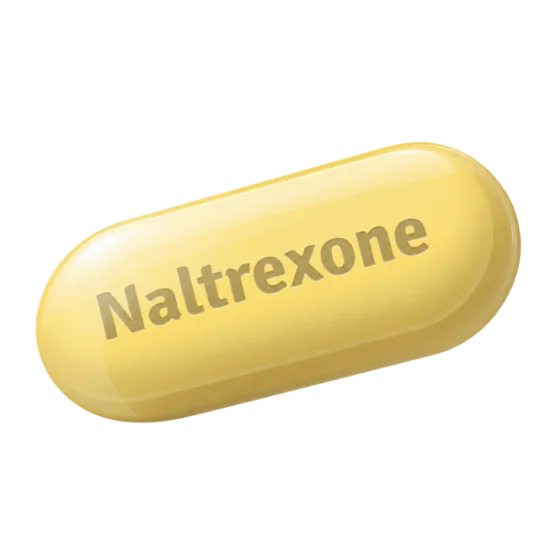
The active substance is naltrexone, commonly supplied in hydrochloride form as naltrexone hydrochloride or naltrexone HCl.

Mechanism of action

It binds to opioid receptors in the central nervous system without producing the opioid effects associated with medicines such as morphine.

Naltrexone has strong affinity for the mu-opioid receptor, the receptor most closely linked with opioid euphoria, analgesia and respiratory depression. It acts competitively, meaning it occupies the receptor and prevents opioid agonists from activating it. Its activity also involves other opioid receptor systems, including kappa and delta receptors.

For opioid use disorder, the blockade reduces the rewarding effect of opioid exposure. The medicine does not remove cravings in every patient, and it does not replace counselling, relapse-prevention work or treatment of withdrawal-related problems.

Alcohol dependence involves several brain signalling pathways. Naltrexone appears to reduce alcohol-related reinforcement partly by modifying endogenous opioid activity linked with reward. The result may be fewer heavy-drinking episodes and reduced alcohol consumption for some patients. The EMA describes naltrexone as part of a wider programme that includes psychological support [1].

A practical point often missed is that naltrexone can make opioid pain relief difficult to achieve. Tell every doctor or emergency clinician that you use an opioid antagonist before treatment for severe pain.

Therapeutic indications

Naltrexone has a specific role in addiction medicine. It is not an acute detoxification medicine, and it is not intended to provide the opioid relief produced by agonist treatments.

Clinical use Therapeutic role
Opioid use disorder Relapse prevention after an opioid-free period and clinical assessment
Alcohol dependence Reduction of alcohol reward and support for abstinence or reduced heavy drinking

Management of opioid dependence

For opioid use disorder, naltrexone is considered after detoxification rather than during active opioid use. The patient must be free from opioids before treatment begins. This includes prescription opioids, heroin and opioid-containing medicines used for pain or cough.

A person who has been taking methadone or buprenorphine may need a longer opioid-free interval than someone who used a short-acting opioid. The exact interval depends on the opioid, the duration of treatment, liver and kidney function, and the clinician’s assessment. The FDA prescribing information warns that withdrawal can be severe when naltrexone is started too soon [2].

Naltrexone works best when the patient is committed to maintaining opioid abstinence and has access to follow-up support. It does not suppress withdrawal symptoms that have already started.

Management of alcohol dependence

In alcohol dependence, naltrexone may reduce the pleasurable or reinforcing effects of alcohol and help lower the frequency of heavy-drinking days. Treatment is usually combined with counselling, relapse-prevention planning and practical support for avoiding high-risk situations.

A patient may still feel alcohol cravings while using naltrexone. Drinking alcohol during treatment can still cause intoxication, impaired judgement and alcohol-related harm. Naltrexone reduces reinforcement; it does not make alcohol consumption risk-free.

Common mistakes

Several practical errors can reduce benefit or create avoidable harm:

  • starting treatment before the required opioid-free interval;
  • forgetting opioid-containing medicines prescribed by another clinician;
  • taking extra capsules after a missed dose;
  • assuming naltrexone prevents alcohol intoxication;
  • stopping treatment without discussing relapse and overdose risk;
  • failing to mention liver disease or abnormal liver tests;
  • using opioid painkillers to overcome the blockade;
  • changing the time of administration repeatedly because of mild nausea;
  • treating low-dose naltrexone and standard naltrexone as interchangeable;
  • overlooking severe abdominal symptoms or jaundice.

One detail matters during emergencies: carry written information about naltrexone use or make sure a trusted person knows about it. Emergency clinicians need this information before selecting opioid analgesia.

Reasons not to use it

Naltrexone is not suitable for everyone. It should not be started in a person currently dependent on opioids, experiencing acute opioid withdrawal, or using opioid analgesics for pain unless a specialist has established a safe plan.

  • current opioid use or physiological opioid dependence;
  • a positive opioid screen when treatment has not been clinically assessed;
  • failure to complete an appropriate opioid-free interval;
  • acute hepatitis;
  • liver failure;
  • a previous serious reaction to naltrexone or one of its ingredients;
  • use of opioid agonists or partial agonists that cannot be stopped.

Naltrexone should not be started solely on the basis of a standard dose assumption when significant liver or kidney disease is present.

When this is not for you

It should not be started if you are currently using opioids, are dependent on opioids, or are experiencing opioid withdrawal. Do not use it for opioid pain relief unless a specialist has established a safe plan.

Tell your clinician if you have liver disease, abnormal liver tests, kidney disease, or have had a serious reaction to naltrexone. Symptoms such as persistent abdominal pain, unusually dark urine, pale stools, yellowing of the skin or eyes, and marked tiredness require urgent medical assessment.

Unwanted effects

The most frequent early adverse effects are nausea, abdominal discomfort, reduced appetite, headache, dizziness, tiredness and sleep disturbance. These symptoms often appear during the first days of treatment and may settle as the body adjusts.

Frequency pattern Possible reactions
Common or early Nausea, abdominal cramps, headache, dizziness, fatigue, insomnia
Clinically serious Liver injury, severe allergic reaction, significant mood change
Injection-related Pain, swelling, induration or tissue damage at the injection site

Naltrexone may affect sleep or dreams. Taking the capsule earlier in the day can help some patients who notice insomnia, while an evening schedule may suit people who experience daytime drowsiness. The timing should remain consistent with the agreed regimen.

Urgent assessment is needed for breathing difficulty, facial swelling, widespread rash, severe vomiting, yellow skin, dark urine, confusion or suicidal thoughts. These symptoms require prompt medical attention rather than dose adjustment at home.

Extended-release injections can cause local pain, swelling or a firm lump. Increasing redness, warmth, drainage, severe pain or skin breakdown at an injection site requires medical review. Capsules do not cause injection-site reactions.

Nausea is often worse when the first dose is taken on an empty stomach. A light meal may improve tolerability, although very heavy or fatty meals can make stomach discomfort worse for some people.

Comparison

Treatment approach Main pharmacology and role
Naltrexone Opioid antagonist used after detoxification for relapse prevention and in alcohol dependence
Methadone or buprenorphine Opioid agonist or partial agonist treatment that reduces withdrawal and opioid cravings
Disulfiram Alcohol-deterrent medicine that produces an unpleasant reaction when alcohol is consumed

Naloxone is different from naltrexone. Naloxone is a short-acting opioid antagonist used mainly for emergency reversal of opioid overdose. Naltrexone is intended for planned maintenance after an opioid-free assessment.

Disulfiram does not block opioid receptors and does not reduce opioid cravings. Its alcohol-related effect depends on blocking aldehyde dehydrogenase, which can cause an unpleasant reaction after alcohol exposure. It requires a patient who understands and accepts the alcohol-avoidance requirement.

Methadone and buprenorphine can be appropriate when opioid agonist treatment is needed, especially where withdrawal control and retention in treatment are priorities. Naltrexone may suit patients who have completed detoxification and prefer an antagonist approach. Choice depends on clinical history, adherence, liver function, pregnancy status, access to follow-up and patient preference.

What doctors say

In clinical practice, prescribers usually focus first on opioid-free status rather than on the patient’s preferred dose. A capsule that is started too soon can trigger severe withdrawal, even when the patient feels ready to begin treatment.

Doctors also monitor treatment goals rather than relying on cravings alone. Useful measures include heavy-drinking days, opioid exposure, treatment attendance, liver symptoms and the patient’s ability to manage high-risk situations. Naltrexone can support recovery, but it does not create immunity to relapse.

A further clinical concern is reduced opioid tolerance. After a period without opioids, a previously tolerated amount may become fatal. The WHO identifies reduced tolerance after abstinence as a major overdose risk [3].

What customers often ask

What is the best time of day to take Naltrexone?

There is no single best time for every patient. Many people take the capsule in the morning because nausea, vivid dreams or insomnia can be easier to track during the day, while others choose an evening schedule if drowsiness occurs. The MHRA’s 2024 safety approach supports individual assessment of adverse effects and treatment adherence rather than one universal clock time. The prescribing team can adjust the timing when adverse effects or adherence problems arise. [4]

Which symptoms mean that Naltrexone should be stopped and reviewed urgently?

Severe abdominal pain, yellowing of the eyes or skin, dark urine, persistent vomiting, facial swelling, breathing difficulty and severe rash require urgent medical assessment. Sudden opioid withdrawal after a first dose also needs immediate clinical support. Severe mood changes or suicidal thoughts require prompt help. The FDA’s 2022 product information identifies hepatic symptoms and serious hypersensitivity as warning signs requiring medical attention. [5]

Can the Naltrexone capsule be split, crushed or chewed?

A capsule should be swallowed whole with water unless the prescribing pharmacist has given different instructions for that specific preparation. Opening, crushing or chewing can alter how the contents are taken and may make accurate dosing difficult. Do not transfer the contents into food without a clear instruction from the dispensing professional. The MHRA’s 2024 guidance considers formulation-specific administration instructions part of safe medicine use.

What should be done after a missed dose?

Take the next scheduled dose when it is due, unless a clinician has provided a different missed-dose plan. Do not double the amount to compensate. If several doses have been missed, contact the prescribing service before restarting, especially if opioid exposure has occurred during the gap. WHO treatment principles from 2014 support reassessing relapse risk and opioid exposure after interruptions rather than automatically resuming treatment.

Do you offer anonymous delivery?

Your order will be securely packed and shipped within 24 hours. This is exactly what your package will look like (images of an actual item sent). It has the size and look of a regular private letter (24x11x0.7 cm) and its contents cannot be seen.

How Buyers Rate Naltrexone

4.1
Based on 5 reviews
Stuart, 49
York
Three weeks
Verified
Rating: 3.5 out of 5

The first few days brought nausea and a dull headache, so I took it after breakfast. By the third week, drinking felt less rewarding, although I still needed a plan for evenings.

6 Oct 2026
Richard N., 36
Middlesbrough
One month
Verified
Rating: 3.5 out of 5

The opioid-free period was harder than I expected. Once treatment started, cravings were easier to manage, but I kept a written reminder because missing a dose made my routine less reliable.

17 Oct 2026
Alan, 46
Hull
Two months
Verified
Rating: 3.5 out of 5

I noticed fewer heavy-drinking episodes over two months. Sleep was unsettled at first, and the medicine did not stop me wanting a drink when work became stressful.

19 Oct 2026
Liam C., 67
Dundee
One week
Verified
Rating: 5 out of 5

My stomach felt uncomfortable during the first week, then it settled. I was glad the prescriber checked my liver history before continuing.

29 Oct 2026
Stephen R., 28
Exeter
One month
Verified
Rating: 5 out of 5

The treatment helped me stay away from opioids, but I underestimated how dangerous relapse could be after tolerance had fallen. The overdose discussion was as useful as the medicine itself.

3 Nov 2026

Sources

  1. European Medicines Agency (2010). Naltrexone-containing medicinal products: product information and summary of product characteristics.
  2. U.S. Food and Drug Administration (2013). Vivitrol (naltrexone for extended-release injectable suspension) Prescribing Information.
  3. World Health Organization (2014). Community Management of Opioid Overdose.
  4. Medicines and Healthcare products Regulatory Agency (2024). Drug Safety Update: monitoring and reporting suspected adverse drug reactions.
  5. U.S. Food and Drug Administration (2022). Revia (naltrexone hydrochloride tablets) Prescribing Information.
Get our free app Shop faster and track your orders 3.9 · 425 reviews Install