Skip to content
Pilex

Pilex

Quality products
24/7 Support
Fast delivery
Delivery from 4 days
Active ingredient Pilex

Free delivery on orders from £ 166.00, free express delivery from £ 249.00

The botanical components in Pilex tablets are intended to support comfort around the anal canal when piles cause local irritation and swelling. Pilex is an oral herbal tablet for adults seeking supportive care for haemorrhoid-related discomfort; persistent bleeding, marked pain, or a new lump need clinical assessment.

Overview

Pilex is a herbal tablet used as supportive care for symptoms associated with piles, also called haemorrhoids. Haemorrhoids are swollen vascular cushions in or around the anus that may cause itching, soreness, bleeding after a bowel movement, mucus, or a sensation of incomplete emptying. NHS guidance describes rectal bleeding and altered bowel habits as symptoms that should not automatically be attributed to piles, since they can have other causes [1].

Pilex is not intended to replace measures that reduce straining, such as adequate fluid intake, dietary fibre, and responding promptly to the urge to open the bowels. These practical measures reduce repeated pressure on haemorrhoidal tissue.

Targeted anorectal conditions

Internal haemorrhoids develop inside the anal canal. They may bleed bright-red blood during bowel movements and can prolapse, meaning they move downwards during straining.

External haemorrhoids sit beneath the skin around the anus. They are more likely to feel tender, itchy, or swollen.

Anal fissures are small tears in the anal lining. Their pain is often sharp during or after passing stool, which differs from the pressure or irritation more typical of uncomplicated piles. Persistent fissure-type pain needs assessment rather than repeated self-treatment.

A small amount of bright-red blood can occur with piles, but bleeding that is heavy, recurrent, dark, mixed through the stool, or accompanied by dizziness needs urgent medical attention.

Directions for use

Pilex tablets are taken orally with water. The amount used and frequency depend on the purpose of use and should be agreed with a doctor or pharmacist, especially when symptoms are persistent, recurrent, or accompanied by rectal bleeding.

  • Take the tablets consistently at the agreed time of day.
  • Swallow tablets whole with water unless a clinician gives different instructions.
  • Build fibre intake gradually, since a sudden large increase may cause wind and abdominal bloating.
  • Use regular toilet habits without delaying the urge to pass stool.
  • Do not double a missed dose. Resume the usual agreed routine at the next planned time.

A missed tablet is not an emergency. Taking extra tablets to compensate can increase the chance of digestive upset without giving faster relief.

A footstool under the feet can make bowel movements easier for some people by changing the angle of the hips and reducing the urge to strain.

Formulation

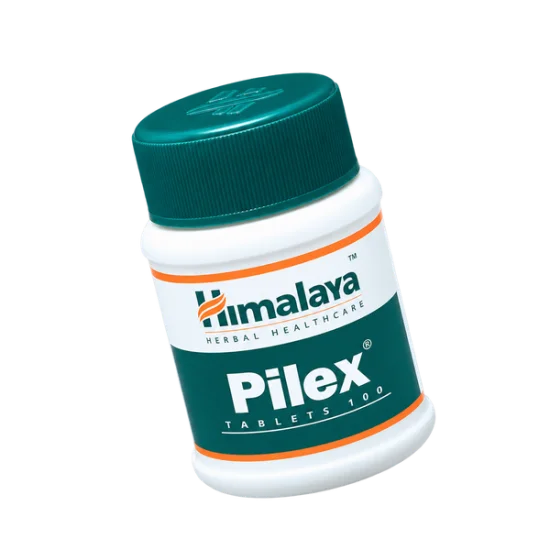
Pilex is supplied as tablets in a bottle and is taken by mouth. Oral herbal support is different from a locally applied cream or ointment: tablets are used as part of a wider bowel-comfort routine, while topical products act only on the area where they are applied.

Approach Route and focus Practical limitation
Pilex tablets Oral support for haemorrhoid-related discomfort Does not provide immediate local soothing after a bowel movement
Topical haemorrhoid treatment Local application around the anus Does not address constipation, straining, or bowel habits

The tablet form may suit people who prefer an oral routine rather than repeated local application. It still has limits. A tablet cannot correct a thrombosed haemorrhoid, severe prolapse, ongoing anaemia from blood loss, or a painful abscess.

Keep bowel movements soft rather than forcing them. Sitting and straining for several minutes, even without passing stool, can aggravate haemorrhoidal swelling.

Mechanism of action

Pilex is an oral herbal tablet used as supportive care for discomfort associated with piles, also called haemorrhoids. Its botanical components are intended to support comfort around the anal canal when local irritation and swelling occur. It does not replace measures that reduce straining, such as adequate fluid intake, gradually increased dietary fibre, and responding promptly to the urge to pass stool.

Therapeutic indications

Pilex is positioned as a herbal-health product for piles and related anorectal discomfort. Botanical products may be used to support local comfort, yet their effects should be judged by meaningful changes: less irritation, easier bowel movements, reduced straining, and no progression of bleeding or prolapse.

For piles, the most reliable symptom control often comes from reducing stool hardness and mechanical pressure. Fibre from vegetables, fruit, pulses, oats, and wholegrains can help stools pass more easily when increased gradually and taken with enough fluid.

Expected benefits and limits

Possible supportive goals include:

  • less local irritation linked to hard stools and straining;
  • improved comfort during bowel movements;
  • support alongside dietary fibre and hydration;
  • a simple oral option for a daily routine.

Pilex should not be expected to shrink every prolapsed haemorrhoid or stop unexplained rectal bleeding. Grade III and Grade IV piles often need an in-person examination because procedural treatment may be more appropriate.

The World Health Organization recognises the widespread use of traditional and complementary medicine, while also stressing the need for appropriate quality standards, pharmacovigilance, and evidence-based use [2].

Common mistakes

Several patterns can prolong haemorrhoid symptoms despite using supportive products:

  • Continuing to strain because stools remain hard.
  • Spending extended periods sitting on the toilet.
  • Ignoring rectal bleeding because it has happened before.
  • Using several herbal products at once, making side effects difficult to identify.
  • Treating severe pain as ordinary piles without seeking clinical assessment.
  • Stopping dietary fibre after a few days because of temporary bloating.

Fibre needs time and fluid. Increasing it gradually is usually more comfortable than changing the diet abruptly.

Warm water baths can ease local discomfort after a bowel movement. Avoid harsh soaps and wipes, which can worsen anal skin irritation.

Reasons not to use it

Known allergy to any of its herbal components or previous rash, facial swelling, wheeze, or marked digestive symptoms after a similar product.

Pregnancy, breastfeeding, inflammatory bowel disease, liver disease, kidney disease, and planned surgery are situations where individual advice is needed before starting herbal tablets.

People using anticoagulants or antiplatelet medicines should seek clinical advice when they have rectal bleeding. Medicines in this group include warfarin, apixaban, rivaroxaban, clopidogrel, and low-dose aspirin.

When this is not for you

Pilex is not for you if you have a known allergy to any of its herbal components or have previously developed rash, facial swelling, wheeze, or marked digestive symptoms after a similar product. Stop using it and seek urgent medical help if swelling affects the lips, tongue, or throat.

Rectal symptoms also need context. A painful feverish swelling, pus, black stool, unexplained weight loss, worsening constipation, or fatigue with repeated bleeding should be medically assessed rather than managed as routine piles.

Unwanted effects

Possible tolerability issues with oral herbal tablets include nausea, loose stools, abdominal discomfort, or skin reactions in sensitive people. These effects are not inevitable. New symptoms that begin shortly after starting a product deserve attention.

The Medicines and Healthcare products Regulatory Agency advises that herbal medicines can interact with other treatments and that suspected adverse reactions should be reported through the Yellow Card scheme [3].

Comparison

Oral tablets and topical treatments serve different purposes. Pilex tablets fit an oral supportive approach, while a topical product may offer short-term local relief from itch or soreness around the anal opening.

Doctors do not treat all anorectal symptoms as piles. Sharp pain after stool can suggest a fissure. Constant throbbing pain with fever raises concern for infection. A lump that changes rapidly or keeps enlarging also needs examination. NICE guidance supports assessing persistent bleeding and altered bowel habits rather than assuming haemorrhoids. Examination may include inspection and a digital rectal examination when clinically appropriate.

The European Medicines Agency’s work on herbal medicinal products reflects a central clinical principle: herbal preparations require assessment of intended use, safety, and quality rather than being assumed harmless because they are plant-based [4].

What doctors say

In clinical practice, doctors often find that people focus on the visible symptom—usually bleeding or a lump—while overlooking the driver: hard stool, repeated straining, long toilet sitting, or chronic diarrhoea. An oral herbal tablet may be a reasonable supportive option for mild discomfort, yet it works best when bowel habits change at the same time.

A clinician will usually want to know the duration of symptoms, whether bleeding is bright red, whether weight has changed, and whether there is a family history of bowel cancer or inflammatory bowel disease. These questions help separate common piles from conditions that need a different approach.

The desired outcome is steady improvement, not a temporary reduction in itch followed by recurrent bleeding every week.

What customers often ask

Which symptoms mean I should stop using Pilex and seek urgent medical help?

Stop using Pilex and seek urgent medical help for heavy rectal bleeding, black or tar-like stool, fainting, severe abdominal pain, fever, pus, or rapid swelling around the anus. Urgent review is also needed for facial swelling, wheeze, or widespread rash, which can indicate an allergic reaction. NHS guidance published in 2023 advises medical assessment for bleeding that is persistent, substantial, or accompanied by other bowel changes. Bright-red bleeding should not be repeatedly assumed to be piles.

Can Pilex be combined with anticoagulant or antiplatelet medicines?

People taking anticoagulants or antiplatelet medicines should obtain individual clinical advice before using Pilex for symptoms involving rectal bleeding. This includes medicines such as warfarin, apixaban, rivaroxaban, clopidogrel, and aspirin. The MHRA stated in its 2023 consumer guidance that herbal medicines can interact with prescribed treatment and may require professional review. Bleeding while using these medicines deserves assessment even if piles have been diagnosed previously.

Does Pilex cause digestive upset?

Digestive upset, such as nausea, loose stools, or abdominal discomfort, may occur with herbal tablets in sensitive individuals. These symptoms are usually more relevant if they begin soon after starting the tablets or become progressively worse. The WHO’s 2023 traditional medicine framework supports monitoring tolerability and reporting suspected adverse effects rather than assuming plant-based products cannot cause them. Persistent diarrhoea can itself aggravate haemorrhoids, so it should not be ignored.

What should I do if the expected result does not come?

If symptoms do not improve, worsen, or return frequently, arrange a clinical assessment rather than increasing the amount taken independently. Persistent bleeding, prolapse, sharp pain, or a changing bowel pattern may need examination to identify the cause. NICE Clinical Knowledge Summaries, updated in 2023, place bowel-habit measures and assessment of warning symptoms at the centre of haemorrhoid care. A clinician may recommend dietary management, topical treatment, a procedure, or investigation depending on the findings.

Can older adults use Pilex?

Older adults can experience haemorrhoid symptoms, though new rectal bleeding deserves careful assessment because other bowel conditions become more common with age. Medicines used for heart disease, blood thinning, pain relief, and constipation should be considered before adding herbal tablets. The EMA’s 2018 herbal-medicine framework supports reviewing concomitant medicines and individual risk factors in older people. Reduced mobility, dehydration, and constipation are common contributors that should be addressed alongside symptom relief.

Can Pilex be used by people under 18?

Use in people under 18 should be discussed with a clinician rather than assumed appropriate from adult use. Rectal bleeding, persistent pain, bowel changes, and anal lumps in children or teenagers require proper assessment. The NHS stated in 2023 that bowel symptoms should be evaluated according to the person’s age and symptom pattern. A clinician can determine whether constipation, fissure, inflammatory disease, infection, or another cause is involved.

Does a known herbal allergy rule out Pilex?

Yes. A known allergy to one of the product’s herbal components rules out use of Pilex. Previous hives, swelling, wheeze, or a significant rash after a herbal preparation should be treated as relevant history. The MHRA’s 2023 herbal-medicine advice identifies allergic reactions as potential adverse effects that require stopping the suspected product. Severe allergy symptoms need emergency medical care.

Do you offer anonymous delivery?

Your order will be securely packed and shipped within 24 hours. This is exactly what your package will look like (images of an actual item sent). It has the size and look of a regular private letter (24x11x0.7 cm) and its contents cannot be seen.

How Buyers Rate Pilex

3.5
Based on 3 reviews
Daniel, 52
Norwich
About three weeks
Verified
Rating: 4 out of 5

I used Pilex as part of a routine that also included more porridge, vegetables, and water. After about three weeks, I was straining less and the itching settled. I still booked an appointment when I saw blood twice, and that was the right call.

1 Nov 2026
Mark F., 67
Oxford
A month
Verified
Rating: 3.5 out of 5

I took the tablets daily for a month after constipation had made my piles flare up. The discomfort improved gradually, not overnight. I found that missing the fibre and fluid part of the routine made more difference than I expected.

6 Oct 2026
Richard, 44
York
Verified
Rating: 3 out of 5

I tried Pilex when I had soreness after bowel movements, but the pain stayed sharp and lasted for hours. My clinician said it was more consistent with a fissure than simple piles, so I stopped treating it as a haemorrhoid problem.

17 Oct 2026

Sources

  1. NHS (2023). Piles (haemorrhoids).
  2. WHO (2023). WHO Traditional Medicine Global Summit 2023: Gujarat Declaration.
  3. MHRA (2023). Herbal medicines: advice for consumers.
  4. EMA (2011). Guideline on quality of herbal medicinal products/traditional herbal medicinal products.
Get our free app Shop faster and track your orders 3.9 · 425 reviews Install