Skip to content
Tivicay

Tivicay

Quality products
24/7 Support
Fast delivery
Delivery from 4 days
Active ingredient Dolutegravir

Free delivery on orders from £ 166.00, free express delivery from £ 249.00

It is prescribed for adults and children with HIV-1 infection, usually alongside other antiretroviral medicines. This helps reduce viral load and supports immune recovery.

Overview

Tivicay contains dolutegravir, which blocks HIV integrase and limits the virus’s ability to copy its genetic material.

Integrase inhibitors prevent HIV from inserting its genetic material into human CD4 cells.

Directions for use

Tivicay is taken by mouth. The selected dose depends on the person’s age, other medicines, treatment history, resistance results, kidney function, liver function, and the presence of interacting drugs. [1]

Tivicay is taken orally. The dose is decided individually, taking age, other medicines, and health conditions into account.

The usual administration principles are:

  • Take the prescribed dose at the prescribed interval.
  • Take Tivicay with or without food unless the treatment team gives a different instruction.
  • Take it at a consistent time to support adherence.
  • Separate it from aluminium- or magnesium-containing antacids as directed.
  • Ask for specific timing instructions when using calcium, iron, or other mineral supplements.
  • Do not take extra tablets after a missed dose unless the treatment team specifically instructs this.
  • Continue the full HIV regimen, even when feeling well or when the viral load has become undetectable.

If a dose is missed, take it when remembered unless the next dose is due soon. Do not take two doses together to compensate; obtain a specific plan from the HIV treatment service if the timing is unclear.

Food can be useful in some interaction situations. When Tivicay is taken with food, the effect of certain mineral products may be managed differently, but the exact timing still depends on the mineral and the prescribed regimen.

Kidney impairment does not automatically require the same adjustment as liver impairment, but renal function still matters because other medicines in the HIV regimen may need adjustment. Severe hepatic impairment can affect treatment selection, and dolutegravir is generally avoided or used only with specialist assessment in severe liver disease.

If a dose is missed, take it when remembered unless the next dose is due soon. Do not take two doses together to compensate; obtain a specific plan from the HIV treatment service if the timing is unclear.

Formulation

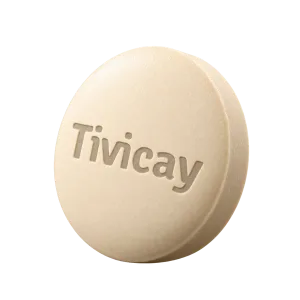
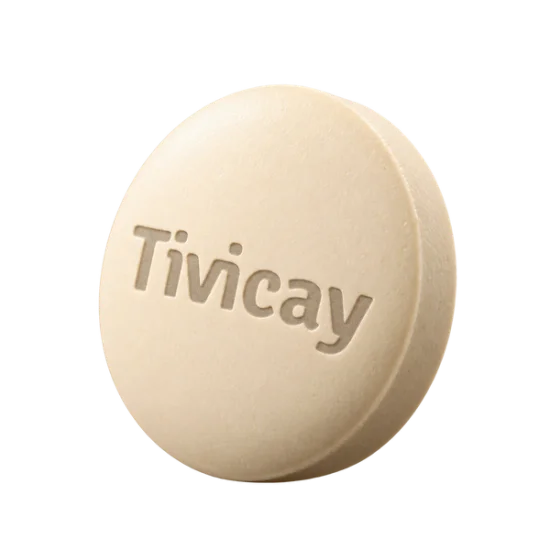
Tivicay is provided as film-coated tablets containing dolutegravir. A paediatric formulation known as Tivicay PD is designed for children who need dispersible tablets rather than the standard tablet form. The correct formulation depends on age, body weight, swallowing ability, and the prescribed regimen.

The standard tablet and paediatric dispersible formulation should not be treated as interchangeable. A child’s dose is calculated using age, body weight, treatment history, and other medicines.

Do not change between standard tablets and Tivicay PD without a revised instruction from the HIV treatment team. Paediatric formulations use different administration instructions.

Mechanism of action

Integrase inhibitors prevent HIV from inserting its genetic material into human CD4 cells. Without this step, the virus cannot efficiently produce new viral particles.

Dolutegravir is affected by medicines that induce or inhibit drug transport and metabolism.

Therapeutic indications

Tivicay is indicated for the treatment of HIV-1 infection in combination with other antiretroviral agents. It may be used in people starting HIV treatment and in people who have previously received antiretroviral therapy, provided the regimen matches the resistance profile and treatment history.

Tivicay is not used as routine monotherapy. HIV treatment requires a complete regimen selected by an HIV specialist. The other medicines may include agents from the nucleoside reverse transcriptase inhibitor, non-nucleoside reverse transcriptase inhibitor, protease inhibitor, or integrase inhibitor groups.

The aim of treatment is sustained viral suppression. When viral load remains undetectable with consistent treatment, the risk of sexual transmission is effectively zero, provided suppression is maintained. The U=U principle is supported by major public health evidence from the WHO and international HIV treatment programmes.

Treatment decisions consider:

  • HIV resistance testing and previous treatment history
  • Pregnancy or plans to become pregnant
  • Kidney and liver function
  • Hepatitis B or hepatitis C co-infection
  • Other prescribed medicines and supplements
  • The possibility of interactions with enzyme inducers or metal-containing products

Common mistakes

Several avoidable mistakes can reduce treatment reliability:

  • Taking Tivicay with an antacid or mineral supplement at the same time
  • Stopping treatment after a viral load becomes undetectable
  • Doubling the next dose after a missed tablet
  • Omitting HIV medicines during travel because the daily routine changes
  • Starting St John’s wort or an enzyme-inducing medicine without checking interactions
  • Assuming all integrase inhibitors have identical dosing instructions
  • Failing to mention hepatitis B or hepatitis C
  • Sharing tablets with a partner or using another person’s HIV medicine
  • Crushing the standard tablet without confirming that this is appropriate
  • Treating persistent nausea, rash, or mood changes as symptoms that must simply be tolerated

Travel creates a specific adherence problem. Time-zone changes, airport schedules, and disrupted meals can make people forget a dose or take mineral supplements too close to Tivicay. A written dosing plan reduces this risk.

Another common mistake is focusing on the brand name while forgetting the active ingredient. When treatment is changed, the medication list should identify dolutegravir and every other antiretroviral in the regimen.

Reasons not to use it

The most important contraindications and precautions include the following:

  • Dofetilide use: Dolutegravir is contraindicated with dofetilide because it can increase dofetilide exposure and raise the risk of serious cardiac toxicity.
  • Previous hypersensitivity: Anyone with a previous allergic reaction to dolutegravir or an excipient should not take Tivicay.
  • Severe liver disease: Hepatic impairment can alter treatment decisions, especially when hepatitis B or hepatitis C is also present.
  • Hepatitis B co-infection: Tivicay does not replace medicines that are active against hepatitis B. Stopping other antiretroviral components can cause hepatitis B to flare.
  • Pregnancy: Dolutegravir may be used during pregnancy when the benefits and complete regimen support it. Pregnancy status should be discussed before treatment changes.
  • Breastfeeding: HIV transmission can occur through breast milk, and breastfeeding decisions require specialist advice based on UK clinical guidance.
  • Children: The formulation and dose depend on body weight and age. Adult tablets should not be substituted for a paediatric regimen without instruction.

The UK product information describes hypersensitivity and dofetilide co-administration as key contraindications. The MHRA also expects serious suspected adverse reactions to be reported through the Yellow Card Scheme. [2]

When this is not for you

Tivicay is not suitable for everyone. Not for you if you have a known dolutegravir allergy or take dofetilide unless a specialist changes the treatment plan.

Unwanted effects

Common adverse effects can include headache, nausea, diarrhoea, sleep disturbance, dizziness, and fatigue. Some people experience these effects during the early phase of treatment and find that they lessen with continued use.

Mood changes deserve attention. Anxiety, depression, unusual dreams, and insomnia have been reported with dolutegravir-containing treatment. Anyone who develops suicidal thoughts, severe depression, or marked behavioural change needs urgent clinical support.

Possible serious reactions include:

  • Severe skin rash with fever or mucosal involvement
  • Facial, lip, tongue, or throat swelling
  • Liver injury, especially with hepatitis co-infection
  • Significant muscle pain or weakness
  • Immune reconstitution inflammatory syndrome after treatment begins

Immune reconstitution inflammatory syndrome occurs when recovering immune function produces inflammation against an existing infection. It may cause fever, swollen lymph nodes, worsening cough, or other symptoms linked to a previously recognised or hidden infection.

Weight changes have been reported with some modern antiretroviral regimens, including integrase inhibitor-based therapy. Weight should be assessed alongside glucose, lipid profile, blood pressure, diet, and general HIV health rather than attributed automatically to one tablet.

One practical detail is easy to miss: nausea does not justify stopping Tivicay without a treatment plan. Interruptions can allow HIV replication to resume and may contribute to resistance.

Another detail concerns rash. A mild isolated rash may have several causes, but rash with fever, blistering, mouth sores, facial swelling, or liver symptoms needs urgent assessment.

Record the date a new symptom begins and any medicine started around the same time. This gives the HIV team a clearer way to separate a drug reaction from an infection or another condition.

Comparison

Tivicay contains one active antiretroviral, dolutegravir, and is normally combined with other medicines. Other regimens may use a different integrase inhibitor or a fixed-dose combination containing several active substances.

Treatment approach Pharmacological distinction
Dolutegravir-based regimen Integrase inhibition with other antiretrovirals selected separately
Raltegravir-based regimen Integrase inhibition using raltegravir, with its own dosing and resistance considerations
Elvitegravir- or bictegravir-based regimen Integrase inhibition, usually supplied within combination products
Fixed-dose combinations Several active ingredients in one tablet, such as abacavir/dolutegravir/lamivudine or dolutegravir/rilpivirine

Raltegravir, elvitegravir, bictegravir, and dolutegravir all belong to the integrase inhibitor family, but they differ in pharmacokinetics, interaction profiles, dosing schedules, and available combinations. A person who has developed resistance to one class or one component may need a different regimen.

TRIUMEQ combines abacavir, dolutegravir, and lamivudine. Juluca combines dolutegravir and rilpivirine for selected people whose HIV is already suppressed. Atripla and Truvada use different combinations and are not interchangeable with Tivicay.

The correct comparison is clinical rather than commercial. Treatment history, resistance testing, pregnancy, hepatitis status, kidney function, and interaction risk determine the preferred regimen. The European Medicines Agency recognises dolutegravir as a core component of combination HIV therapy, while current UK practice applies the medicine within a complete antiretroviral plan. [3]

What doctors say

Clinicians usually view dolutegravir as a strong anchor medicine within combination HIV treatment because it acts directly on viral integration and has a well-defined interaction profile. The main practical challenge is not simply taking one tablet; it is maintaining the complete regimen and avoiding interactions that reduce dolutegravir exposure.

Doctors also look beyond viral load. They monitor CD4 response, kidney and liver results, hepatitis status, cardiovascular risk, mental health, weight, and adherence. A suppressed viral load is an important goal, but it does not remove the need for ongoing HIV care.

A treatment change requires care. Stopping one component while continuing others can create an incomplete regimen and increase resistance risk. This is especially relevant when a person feels well and assumes the infection has disappeared.

The HIV specialist may ask about work patterns, travel, shift work, nausea, swallowing difficulties, privacy concerns, and access to repeat prescriptions. These practical details often determine whether a regimen remains consistent.

Comparison

Comparison table: Antivirals

What customers often ask

Can older adults take Tivicay?

Older adults may use Tivicay when dolutegravir fits the complete HIV regimen and their other health conditions have been assessed. The HIV specialist considers kidney function, liver function, cardiovascular disease, diabetes, cognitive changes, and the number of medicines being taken. The WHO and EMA support individualised antiretroviral selection across adult age groups, with closer review when multiple medicines create interaction risks, as reflected in 2024 guidance. [4]

Age alone does not automatically exclude treatment. Older adults may need extra help with dose timing, missed tablets, antacids, mineral supplements, and travel routines. Metformin, anti-epileptic medicines, heart medicines, and tuberculosis treatment deserve specific review.

What should happen after a missed Tivicay dose?

Take the missed dose when remembered unless the next scheduled dose is due soon. Do not take a double dose to compensate, because this can increase adverse effects without restoring the missed treatment interval. The NHS and MHRA advise in 2025 guidance using the prescribed treatment instructions and obtaining a specific plan when several doses have been missed. [5]

A single missed dose does not mean treatment has failed. Repeated missed doses can allow viral replication and may contribute to resistance, so report a pattern of missed treatment to the HIV team. Keep Tivicay in a routine linked to a regular daily activity, while maintaining the correct spacing from antacids and mineral products.

Which condition rules Tivicay out completely?

Known hypersensitivity to dolutegravir or any tablet excipient rules Tivicay out. Co-administration with dofetilide is also contraindicated because dolutegravir can increase dofetilide exposure and create a serious cardiac risk. The EMA identifies these as clear situations in its 2024 product information in which Tivicay should not be used.

Severe liver disease requires specialist assessment rather than an automatic assumption that the medicine is suitable. Hepatitis B or hepatitis C co-infection does not automatically prohibit Tivicay, but it changes monitoring and regimen selection; a history of allergy, liver disease, or dofetilide treatment should be raised before starting or changing therapy.

How should Tivicay be stored at home and during travel?

Travel planning should include the complete HIV regimen, not Tivicay alone. Keep a written medicine list, allow for time-zone changes, and arrange enough tablets for delays. Mineral supplements and antacids should remain on their planned schedule rather than being taken randomly around the HIV tablets.

Can Tivicay be taken with food or on an empty stomach?

Tivicay can generally be taken with food or on an empty stomach. Food may help some people who experience nausea, and taking it with food can form part of an interaction plan for certain calcium or iron products. The EMA and UK product information from 2024 describe food and mineral-product timing as relevant to dolutegravir administration.

Aluminium- and magnesium-containing antacids should not be taken at the same time as Tivicay. Calcium and iron may also need separation when Tivicay is taken without food. The correct schedule depends on the product and the rest of the HIV regimen, so record all mineral products in the medication list.

Do you offer anonymous delivery?

Your order will be securely packed and shipped within 24 hours. This is exactly what your package will look like (images of an actual item sent). It has the size and look of a regular private letter (24x11x0.7 cm) and its contents cannot be seen.

How Buyers Rate Tivicay

4.1
Based on 4 reviews
Andrew F., 41
Ipswich
Several months
Verified
Rating: 4.5 out of 5

The first week brought mild headaches and restless sleep, but those settled. The hardest part was remembering to separate it from my magnesium supplement. Once I put both times into my phone routine, it became much easier.

3 Nov 2026
David, 63
Bristol
Over a year
Verified
Rating: 3.5 out of 5

My viral load became undetectable and I felt more confident about the treatment. I did notice some weight gain and discussed it at review rather than stopping the tablets. My doctor checked my glucose and cholesterol before changing anything.

6 Oct 2026
Michael, 46
Birmingham
Verified
Rating: 5 out of 5

I missed one dose during a weekend away and nearly took two tablets together. The HIV clinic advised me what to do and helped me plan for travel. The medicine itself caused little trouble, but keeping the entire routine consistent required organisation.

21 Oct 2026
Simon D., 62
Leeds
The first weeks
Verified
Rating: 3.5 out of 5

I developed a rash and felt unusually tired during the first weeks. It turned out to need prompt assessment, and my treatment team reviewed the regimen. The experience made me take new symptoms more seriously instead of waiting several days.

12 Oct 2026

Sources

  1. European Medicines Agency (2024). Tivicay: EPAR — Product information.
  2. Medicines and Healthcare products Regulatory Agency (2025). Yellow Card Scheme: report suspected side effects.
  3. European Medicines Agency (2014). Tivicay: EPAR — Public assessment report.
  4. World Health Organization (2024). Consolidated guidelines on HIV prevention, testing, treatment, service delivery and monitoring.
  5. NHS (2025). HIV medicines and treatment.
Get our free app Shop faster and track your orders 3.9 · 425 reviews Install