The first week brought dizziness and a slightly blurred feeling. It settled after the dose was adjusted, and I had fewer episodes afterwards. I still avoided driving until I knew how the tablets affected me.
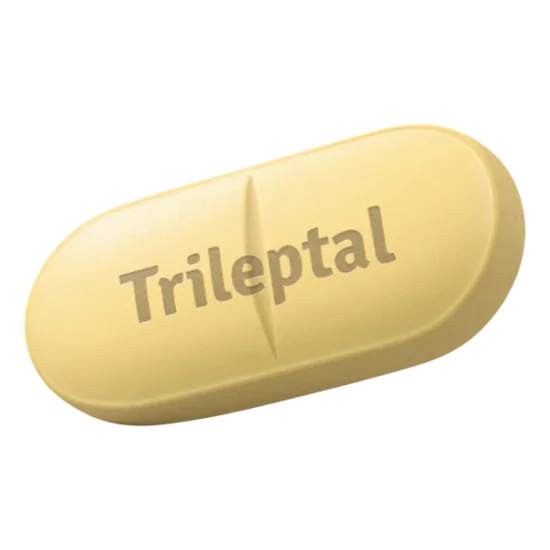
Trileptal
Partial seizures require treatment that reduces abnormal electrical activity in the brain. Treatment response is assessed through seizure frequency, adverse effects, and adherence.
Overview
Trileptal contains oxcarbazepine, an antiepileptic used for seizure control in people with epilepsy. It helps stabilise overactive nerve membranes and limits the spread of epileptic discharges.
Directions for use
Oxcarbazepine tablets are prescribed in different strengths, and the regimen may be divided into daily doses or adjusted gradually according to seizure control and tolerability. The appropriate strength is confirmed with a healthcare professional before treatment begins.
Dose selection and administration
A prescriber normally starts with a lower dose and increases it in stages when needed. This approach gives the nervous system time to adapt and can limit early dizziness, nausea, sleepiness, or double vision.
The practical principles are:
- Take the prescribed tablet dose at consistent times.
- Swallow tablets with water.
- Keep the daily schedule stable.
- Do not stop treatment suddenly.
- Do not double the next dose after a missed dose.
- Take a missed dose when remembered unless the next scheduled dose is close.
- If the next dose is due soon, skip the missed dose and return to the normal timetable.
The exact regimen for the chosen strength is confirmed with a healthcare professional before starting. A sudden reduction in oxcarbazepine can increase seizure risk, even when seizures have been controlled for months or years.
Formulation
Trileptal contains oxcarbazepine, an antiepileptic medicine used to control seizures in people with epilepsy. It helps stabilise overactive nerve membranes and limits the spread of epileptic discharges.
Mechanism of action
Oxcarbazepine is converted in the body to its active metabolite, licarbazepine. This active substance affects voltage-sensitive sodium channels in nerve cells. By limiting the rapid return of these channels to their active state, it reduces repetitive firing and makes it harder for an abnormal electrical discharge to travel through connected neurons [2].
The action is more selective for rapidly firing neurons than for ordinary communication between nerve cells. That helps explain why Trileptal can control seizures, while still causing neurological effects such as dizziness, blurred vision, tiredness, or impaired coordination in some people.
Trileptal does not work by increasing brain sedation as its main mechanism. Its principal pharmacological effect is stabilisation of neuronal excitability through sodium-channel modulation. UK product information describes oxcarbazepine within the established group of antiepileptic drugs used for focal seizures [3].
Therapeutic indications
Trileptal is prescribed mainly for focal-onset seizures, also called partial seizures, which begin in one area of the brain and may remain localised or spread to both sides. Oxcarbazepine can be used alone or alongside another antiepileptic, depending on seizure type, treatment history, age, kidney function, and clinical response [1].
Primary clinical indications for seizure control
Trileptal is associated with:
- Focal-onset or partial seizures.
- Focal seizures that develop into bilateral tonic-clonic seizures.
- Epilepsy requiring monotherapy or adjunctive treatment.
- Long-term seizure prevention after a prescriber has established the diagnosis.
The medicine does not remove the underlying tendency to epilepsy. Its role is to reduce abnormal neuronal firing and help prevent epileptic seizures during continued treatment.
Common mistakes
Several avoidable errors can reduce seizure control or increase side effects:
- Stopping Trileptal abruptly after a seizure-free period.
- Taking two doses together after forgetting one.
- Changing from tablets to an extended-release formulation independently.
- Ignoring dizziness when driving, operating machinery, or working at height.
- Failing to mention hormonal contraception.
- Forgetting to report diuretics, antidepressants, or other antiepileptic drugs.
- Treating a new rash as harmless without checking for fever or mouth ulcers.
- Taking doses at widely different times each day.
- Assuming that a missed tablet is harmless because no seizure occurred immediately afterwards.
A seizure diary can record the date, time, possible trigger, missed doses, sleep quality, menstrual cycle, and adverse effects. This information is more useful than a simple count because it shows whether symptoms follow dose changes or particular routines.
Reasons not to use it
Trileptal is not suitable for everyone. A history of serious allergy to oxcarbazepine or a previous severe reaction to carbamazepine requires specific assessment because cross-sensitivity can occur.
- Serious hypersensitivity reaction to oxcarbazepine.
- Severe skin reaction linked to carbamazepine or a related medicine.
- Significant low sodium that has not been assessed.
- Concomitant medicines that may combine with oxcarbazepine without a reviewed treatment plan.
- Kidney disease requiring a different starting dose or closer monitoring.
Oxcarbazepine can alter the serum levels of some concomitant antiepileptic drugs. Interactions may involve valproic acid, phenobarbital, and other medicines used for seizure control. The prescriber may adjust treatment according to seizure control, adverse effects, and, when appropriate, serum levels of concomitant antiepileptic drugs.
Interactions with antidepressants and cardiovascular medicines also deserve review. Mirtazapine and venlafaxine may contribute to sedation or affect sodium balance in susceptible people. Oxcarbazepine can reduce exposure to some medicines, while verapamil and felodipine may be affected through enzyme and transporter pathways. The clinical relevance depends on the dose and the complete medication list, including non-prescription products [1].
When this is not for you
This medication is not for you if
- You previously developed a serious hypersensitivity reaction to oxcarbazepine.
- You had a severe skin reaction linked to carbamazepine or a related medicine.
- You have significant low sodium that has not been assessed.
- You are taking medicines that may combine with oxcarbazepine without a reviewed treatment plan.
- You are planning pregnancy and have not discussed seizure treatment and folate requirements.
- You have kidney disease that may require a different starting dose or closer monitoring.
Unwanted effects
Oxcarbazepine is often tolerated sufficiently for long-term treatment, yet neurological and electrolyte-related adverse effects can occur. Common problems include dizziness, sleepiness, headache, nausea, vomiting, double vision, blurred vision, tremor, unsteadiness, and fatigue. These effects may be stronger during the first weeks or after an increase in dose .
Hyponatraemia means an abnormally low sodium concentration in the blood. It can cause headache, nausea, confusion, unusual tiredness, worsening balance, or seizures. The risk is higher in some older adults and in people using other medicines that lower sodium, including certain diuretics.
Seek urgent medical attention for:
- Facial swelling, breathing difficulty, or widespread blistering rash.
- A rash accompanied by fever, mouth ulcers, eye irritation, or skin peeling.
- Severe confusion, fainting, marked weakness, or worsening seizures.
- Symptoms suggesting a serious blood, liver, or immune reaction.
- Suicidal thoughts or a sudden major change in mood or behaviour.
Oxcarbazepine can reduce the reliability of hormonal contraception by increasing the breakdown of some contraceptive hormones. Women who could become pregnant should discuss contraception and pregnancy planning before treatment. The risks of uncontrolled seizures and the benefits of continued therapy need individual assessment.
One practical detail is easy to miss: blurred or double vision may appear before a person feels genuinely dizzy. Driving can be unsafe even when the symptom seems mild.
Alcohol can intensify dizziness, sleepiness, poor coordination, and impaired judgement. Avoiding alcohol during dose changes is a sensible precaution because it becomes difficult to tell whether symptoms come from the medicine, alcohol, or both.

Comparison
Trileptal and generic oxcarbazepine contain the same active substance when the prescribed product is an approved equivalent. The tablet strength, release characteristics, excipients, and dosing instructions still need to match the prescription. A switch should be recorded in the patient’s treatment history because changes in appearance can make missed or duplicated doses more likely.
| Treatment approach | Main pharmacological feature | Practical distinction |
|---|---|---|
| Trileptal or generic oxcarbazepine | Sodium-channel modulation | Used for focal seizures; tablets may be adjusted gradually |
| Carbamazepine | Sodium-channel modulation | Different interactions, monitoring needs, and adverse-effect profile |
The choice depends on seizure classification, previous response, pregnancy considerations, other medicines, kidney function, and the person’s ability to follow the dosing schedule. Changing between formulations without clinical instruction can alter exposure during the day.
What doctors say
In clinical practice, doctors usually judge Trileptal by seizure control, tolerability, and adherence over time. A single seizure-free week does not establish the final dose, while one episode of dizziness does not automatically mean treatment has failed. Dose changes are made gradually because the brain and the rest of the nervous system need time to adapt.
A neurologist will usually clarify the seizure type before choosing oxcarbazepine. Focal seizures respond differently from absence seizures or some generalised epilepsy syndromes, so accurate diagnosis matters. The treatment plan may also include a seizure diary, blood tests when clinically indicated, pregnancy planning, and a review of driving restrictions under UK rules.
Patients sometimes interpret tiredness as proof that the medicine is damaging the brain. Often it reflects a dose that is too high for that person, a rapid dose increase, another sedating medicine, or insufficient sleep. A clear record of timing helps the prescriber distinguish these possibilities.
Comparison
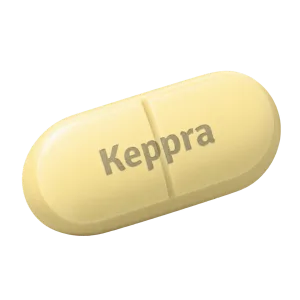
Keppra
Lamictal
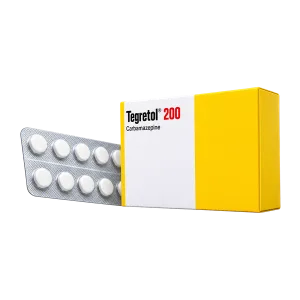
Tegretol
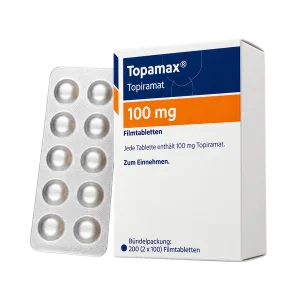
Topamax
What customers often ask
What should I do after missing a Trileptal dose?
Take the missed tablet when you remember unless the next scheduled dose is close. If the next dose is due soon, skip the missed dose rather than taking two together. FDA prescribing information reviewed in 2023 advises against doubling doses because extra oxcarbazepine can increase dizziness, sleepiness, blurred vision, and poor coordination . Repeated missed doses can increase seizure risk and should be discussed with the neurology team.
How soon can the effect of Trileptal become noticeable?
Some people notice fewer focal seizures after the dose reaches a suitable level, while others require gradual adjustment over several weeks. Early side effects may appear before the full seizure-control benefit becomes clear. NICE guidance updated in 2025 supports reviewing response according to seizure frequency, adverse effects, and the person’s diagnosis rather than judging treatment after one or two doses [4]. Keep recording seizures during dose changes.
What should be discussed with a doctor before starting Trileptal?
Tell the prescriber about previous reactions to oxcarbazepine or carbamazepine, kidney disease, low sodium, pregnancy plans, hormonal contraception, and every medicine or supplement being used. Include valproic acid, phenobarbital, mirtazapine, venlafaxine, verapamil, and felodipine because the combination may need review. The MHRA safety information available in 2023 highlights the need to recognise serious skin reactions and neurological adverse effects early. A complete medication history helps the prescriber choose a safer starting plan.
Can Trileptal affect driving, concentration, or machinery work?
Yes. Dizziness, sleepiness, double vision, blurred vision, and impaired coordination can affect driving and machinery work, especially after starting or increasing the dose. UK driving decisions follow DVLA medical rules, while the prescriber assesses individual symptoms and seizure control. EMA product information reviewed in 2024 advises caution until the person knows how oxcarbazepine affects alertness and coordination. Do not drive or operate machinery while these symptoms impair performance.
Can diet, exercise, or daily habits help or hinder the result?
Regular sleep, steady meal patterns, hydration, and consistent dosing can support a stable routine, although they do not replace antiepileptic treatment. Sleep deprivation, heavy alcohol intake, missed doses, and illness with vomiting may lower seizure control or make side effects harder to interpret. WHO epilepsy information published in 2024 supports attention to treatment adherence and everyday factors that influence seizure safety. Exercise is usually compatible with treatment, but activities involving heights, open water, or traffic require individual safety planning.
Does Trileptal cause low sodium?
Yes, oxcarbazepine can cause hyponatraemia, meaning a low blood sodium concentration. Symptoms may include nausea, headache, confusion, unusual tiredness, unsteadiness, or worsening seizures, although some people have few symptoms. The FDA label reviewed in 2023 describes sodium monitoring when symptoms or clinical risk factors make testing appropriate. Report new confusion, severe weakness, or a marked change in seizure pattern promptly.
Do you offer anonymous delivery?
Your order will be securely packed and shipped within 24 hours. This is exactly what your package will look like (images of an actual item sent). It has the size and look of a regular private letter (24x11x0.7 cm) and its contents cannot be seen.
How Buyers Rate Trileptal
My seizures became less frequent over about a month. I found the morning dose manageable, but evenings were difficult when I had been working all day because the tiredness added up. My neurologist reviewed the combination rather than simply increasing the dose.
I missed one tablet during a busy weekend and took two later, which left me very unsteady. The advice was to return to the prescribed schedule and contact the clinic if it happened again. The medicine helped, but I needed reminders and a slower dose increase.
Sources
- U.S. Food and Drug Administration (2023). Trileptal (oxcarbazepine) Prescribing Information.
- NCBI Bookshelf (2024). Oxcarbazepine.
- electronic Medicines Compendium (2023). Trileptal (oxcarbazepine) Summary of Product Characteristics (SmPC).
- National Institute for Health and Care Excellence (2025). Epilepsies in children, young people and adults: diagnosis and management.