Skip to content
Ventolin

Ventolin

Quality products
24/7 Support
Fast delivery
Delivery from 4 days
Active ingredient Salbutamol

Free delivery on orders from £ 166.00, free express delivery from £ 249.00

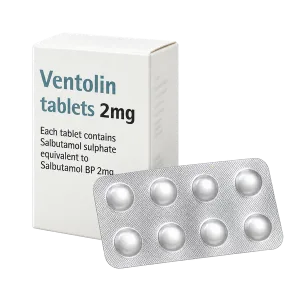
Ventolin tablets contain salbutamol and are prescribed as an oral bronchodilator for reversible airway narrowing. They may relieve wheezing, chest tightness, coughing, or shortness of breath caused by bronchospasm. How much to use and how often depends on the purpose of treatment and is agreed with a doctor or pharmacist.

Overview

Ventolin tablets contain salbutamol and are used when an oral bronchodilator is prescribed for asthma-related wheezing or airway narrowing.

Salbutamol is a short-acting beta-2 agonist bronchodilator. The international non-proprietary name is salbutamol; albuterol is the name commonly used in the United States.

The role of beta-2 agonists in airway relaxation

Beta-2 receptors are found on bronchial smooth muscle. When salbutamol activates these receptors, intracellular signalling lowers the muscle’s tendency to contract. The airway lumen can then become wider, allowing air to move more freely.

This pharmacological effect explains why salbutamol is called a bronchodilator. The same mechanism also explains common effects such as tremor, a faster heartbeat, or palpitations, because some beta-2 stimulation can occur outside the lungs. The FDA describes these pharmacological effects in its salbutamol prescribing information [1].

Directions for use

The tablets are intended for oral use. They are not an inhaler, nebuliser solution, or syrup. Their role is to provide systemic salbutamol when a prescriber has selected tablets rather than a device delivering medicine directly into the lungs.

How much to use and how often depends on the purpose of treatment and must be agreed with a doctor or pharmacist. Do not select a dose by copying an inhaler instruction, nebuliser dose, or syrup volume. These forms deliver salbutamol through different routes and use different dose measurements.

Oral tablet administration

  • Take Ventolin by mouth with water.
  • Use the prescribed dose and frequency.
  • Take each dose at the agreed times.
  • Do not take extra tablets for sudden worsening symptoms unless a clinician has specifically instructed this.
  • If a dose is missed, take it when remembered unless the next dose is close; do not double the next dose.
  • Swallow the tablet whole unless the prescriber has given different instructions.
  • Keep a record of how often symptoms require reliever treatment.

Higher total daily amounts must not be assembled independently by taking extra tablets, because salbutamol adverse effects become more likely as systemic exposure rises.

A common practical error is comparing milligrams in tablets with micrograms delivered by an inhaler. Those numbers cannot be substituted directly. Device-based salbutamol and oral salbutamol require separate prescribing instructions.

Ventolin tablets do not require inhaler technique, priming, actuation, or a spacer. They are swallowed. This can be useful for someone who cannot coordinate an inhaler, but the oral route also means that systemic side effects may be more apparent.

For the tablets:

  1. Take the prescribed tablet with water.
  2. Use the agreed schedule rather than waiting until symptoms become severe.
  3. Do not crush or chew the tablet unless a clinician has specifically advised a different method.
  4. Do not use an inhaler dose as a substitute for the tablet dose.
  5. Record breakthrough symptoms and how often additional treatment seems necessary.

A patient who struggles to use a metered-dose inhaler may benefit from a spacer or device review, but that does not convert Ventolin tablets into inhaled treatment. Respiratory nurses often check breathing pattern, medicine timing, and the difference between preventer and reliever therapy before changing a regimen.

Can Ventolin tablets be taken with food or on an empty stomach?

Ventolin tablets may be taken with food or on an empty stomach unless the prescriber gives different instructions. Taking a tablet with food may help someone who experiences mild stomach discomfort, while water supports swallowing. Food does not make an oral tablet equivalent to inhaled salbutamol. The prescribed schedule remains the main guide.

How long does a Ventolin tablet course last, and is long-term use acceptable?

The course length depends on the reason for treatment, symptom pattern, and clinical response. Long-term or repeated use should remain under medical supervision because frequent reliever use can indicate poorly controlled asthma and can increase systemic adverse effects. Do not extend the course or increase the frequency without an agreed plan.

Can a Ventolin tablet be split, crushed, or chewed?

The tablet should be swallowed with water unless a prescriber or pharmacist has specifically directed another method. Do not crush or chew it to make it act faster, because oral absorption still takes time and the full dose may be taken too quickly. A tablet that cannot be swallowed safely may require a different formulation or route.

Formulation

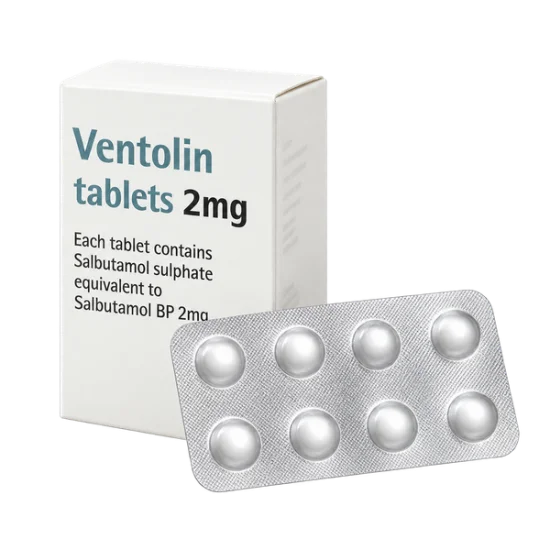
Ventolin tablets contain salbutamol sulphate equivalent to salbutamol BP per tablet. Salbutamol is a short-acting beta-2 agonist bronchodilator. The international non-proprietary name is salbutamol; albuterol is the name commonly used in the United States.

Mechanism of action

After oral administration, salbutamol reaches the circulation and stimulates beta-2 receptors in the smooth muscle surrounding the bronchi. This reduces muscle contraction and widens narrowed airways. The result is less bronchospasm, easier airflow, and improved breathing when airway tightening is the main cause of symptoms.

Salbutamol does not remove the underlying airway inflammation associated with asthma. It relaxes bronchial muscle. A separate preventer treatment may still be needed when symptoms occur repeatedly.

Therapeutic indications

Ventolin is prescribed for reversible obstructive airway conditions in which bronchospasm causes wheezing, chest tightness, coughing, or shortness of breath. Asthma is the main condition associated with salbutamol treatment. It may also be used in other reversible airway disorders when a clinician considers oral bronchodilator therapy appropriate.

Salbutamol can relieve symptoms caused by airway muscle constriction, but it does not treat every cause of breathlessness. Breathlessness from a heart problem, severe infection, pulmonary embolism, or another serious condition requires urgent medical assessment.

Symptom relief during acute bronchospasm

A sudden asthma attack can produce wheezing, rapid breathing, chest tightness, and difficulty speaking in full sentences. These symptoms can become serious quickly. A person who has severe breathing difficulty, blue lips, exhaustion, confusion, or little improvement after their prescribed reliever treatment needs urgent emergency care.

Ventolin tablets are not a substitute for an emergency response plan. Oral salbutamol is not generally the fastest route for severe acute bronchospasm because absorption through the digestive system takes time. Inhaled or nebulised treatment is commonly preferred for acute attacks when clinically appropriate.

Keep the prescribed asthma action plan accessible, and do not rely on oral tablets alone during rapidly worsening breathing difficulty.

A reliever medicine should not be needed frequently without review. Repeated wheezing can indicate uncontrolled airway inflammation, incorrect diagnosis, poor treatment adherence, or exposure to triggers such as smoke, allergens, or occupational irritants.

Common mistakes

Several mistakes can reduce benefit or increase adverse effects:

  • treating a tablet dose as interchangeable with an inhaler dose;
  • taking extra tablets because wheezing has not settled quickly;
  • stopping a prescribed preventer once salbutamol improves symptoms;
  • ignoring tremor, palpitations, or cramps after repeated doses;
  • forgetting to mention heart disease, hyperthyroidism, diabetes, or diuretic treatment;
  • taking a missed dose together with the next scheduled dose;
  • crushing or chewing tablets without a specific instruction;
  • assuming that every episode of breathlessness is asthma;
  • waiting at home during severe breathing difficulty instead of using emergency services.

One missed dose usually does not justify a double dose. Take the next dose according to the agreed schedule unless a clinician has provided different instructions.

Bring a written list of medicines to respiratory reviews, including diuretics, beta-blockers, antidepressants, supplements, and non-prescription cold remedies.

Reasons not to use it

A serious previous allergic reaction to salbutamol or a tablet ingredient rules out further use. Unstable heart-rhythm disease, severe cardiovascular illness, uncontrolled hyperthyroidism, or significant low potassium may also make oral salbutamol unsuitable or require specialist adjustment.

Relevant interacting medicines include:

  • non-selective beta-blockers, which can oppose salbutamol and worsen bronchospasm;
  • other sympathomimetic medicines, which may increase cardiovascular effects;
  • diuretics, which may add to potassium loss;
  • corticosteroids or xanthines, which may increase the risk of low potassium;
  • digoxin, where rhythm effects may require monitoring;
  • monoamine oxidase inhibitors and tricyclic antidepressants, which may increase cardiovascular responses.

The EMA describes these precautions within the wider safety framework for beta-2 agonist bronchodilators [2].

When this is not for you

Ventolin is not suitable for everyone. Not for you if a prescriber has identified a serious allergy or a condition that makes oral salbutamol unsafe.

Tell the prescriber about heart disease, rhythm disorders, hypertension, hyperthyroidism, diabetes, glaucoma, or a history of low potassium. These conditions do not automatically rule out salbutamol, but they can change the balance between benefit and adverse effects.

Pregnancy and breastfeeding require an individual assessment of the benefit of treating bronchospasm against potential medicine exposure. Untreated asthma can also harm the mother and baby, so stopping prescribed respiratory treatment without a replacement plan is unsafe.

Tell the prescriber about prescription medicines, over-the-counter treatments, and supplements that affect heart rate, blood pressure, potassium, or blood glucose.

Unwanted effects

Salbutamol is generally tolerated at prescribed doses, but Ventolin tablets can produce systemic beta-2 effects because the active substance circulates throughout the body. The likelihood of adverse effects rises when doses are increased or combined with other medicines that stimulate similar pathways.

Common or clinically recognised effects include:

  • fine hand tremor or shakiness;
  • headache;
  • nervousness or restlessness;
  • muscle cramps;
  • nausea;
  • a faster heartbeat;
  • palpitations;
  • changes in potassium levels at higher systemic exposure.

These effects may be temporary, but persistent or troublesome palpitations need clinical assessment. A fast heartbeat can also reflect worsening asthma, dehydration, infection, or another medical problem.

Rare but serious reactions include marked arrhythmia, severe allergic reaction, paradoxical worsening of bronchospasm, and significant metabolic disturbances. Seek urgent care for chest pain, fainting, severe breathlessness, facial swelling, collapse, or a heartbeat that is fast and irregular.

Systemic effects of beta-2 stimulation

Beta-2 stimulation can move potassium from the blood into cells. At high exposure, this may contribute to low blood potassium, muscle weakness, cramps, or heart-rhythm problems. The risk is higher with excessive use and with some diuretics or other medicines affecting electrolytes.

Salbutamol can affect blood glucose, especially at higher doses or in people with diabetes. It may also interact pharmacodynamically with other beta-agonists, corticosteroids, xanthines, and diuretics. Beta-blockers can reduce bronchodilator activity and may provoke bronchospasm in susceptible people.

Comparison

Ventolin tablets and inhaled salbutamol both use salbutamol as the bronchodilator. Their route, speed of delivery, systemic exposure, and practical role differ.

Treatment approach Main distinction Typical clinical role
Ventolin tablets Oral salbutamol, 2 mg per tablet Systemic bronchodilator treatment when prescribed
Inhaled salbutamol Medicine delivered directly into the airways Rapid relief of bronchospasm when an inhaled route is suitable
Preventer treatment Anti-inflammatory therapy, often inhaled corticosteroid-based Reduces airway inflammation and future symptoms

The active substance is chemically related across salbutamol formulations, but the treatment experience is not identical. Inhaled therapy can deliver medicine directly to bronchial tissue, while tablets expose the whole body to a larger proportion of the absorbed dose.

That distinction affects tolerability. Tremor, palpitations, headache, and muscle cramps may be more noticeable with oral treatment. The prescriber chooses the route according to age, symptoms, inhaler technique, coexisting conditions, and the intended treatment plan.

Brand names and device designs do not remove the need to check the active ingredient and route. Ventolin tablets should be assessed as oral salbutamol treatment, not treated as an inhaler dose.

What doctors say

In clinical practice, doctors usually judge oral salbutamol by symptom response, adverse effects, and the frequency of breakthrough episodes. A person who needs repeated extra doses may need a different route, a preventer treatment, an adherence review, or investigation of another cause of breathlessness.

The benefit should be noticeable as easier breathing when bronchospasm responds to salbutamol. The tablet should not be used to postpone urgent assessment during severe respiratory distress.

Clinicians also look for small warning patterns. Night-time symptoms, reduced exercise tolerance, repeated chest tightness, or increasing use of reliever treatment can appear before a major attack. Asthma management guidance from the WHO and national respiratory services supports regular assessment of control rather than relying on short-term relief alone [3].

A useful consultation detail is the timing of symptoms in relation to each dose. “I felt shaky for 40 minutes after every tablet” is more clinically useful than simply saying “it caused side effects.”

Comparison

Comparison table: Asthma

What customers often ask

Can Ventolin tablets be taken with food or on an empty stomach?

Ventolin tablets may be taken with food or on an empty stomach unless the prescriber gives different instructions. Taking a tablet with food may help someone who experiences mild stomach discomfort, while water supports swallowing. NHS medicine information reviewed in 2025 describes salbutamol use within an individual treatment schedule rather than requiring a specific meal relationship [4]. Food does not make an oral tablet equivalent to inhaled salbutamol. The prescribed schedule remains the main guide.

How long does a Ventolin tablet course last, and is long-term use acceptable?

The course length depends on the reason for treatment, symptom pattern, and clinical response. Long-term or repeated use should remain under medical supervision because frequent reliever use can indicate poorly controlled asthma and can increase systemic adverse effects. NICE guidance updated in 2024 supports reassessing asthma control when reliever treatment is needed regularly. Do not extend the course or increase the frequency without an agreed plan.

Which condition rules out Ventolin tablets?

A serious previous allergic reaction to salbutamol or a tablet ingredient rules out further use. Unstable heart-rhythm disease, severe cardiovascular illness, uncontrolled hyperthyroidism, or significant low potassium may also make oral salbutamol unsuitable or require specialist adjustment. NICE guidance updated in 2024 highlights the need to consider cardiovascular and metabolic risk factors. Chest pain, fainting, or severe palpitations after a dose requires urgent medical attention.

Can a Ventolin tablet be split, crushed, or chewed?

The tablet should be swallowed with water unless a prescriber or pharmacist has specifically directed another method. Do not crush or chew it to make it act faster, because oral absorption still takes time and the full dose may be taken too quickly. NHS medicine information published in 2025 should guide any decision about splitting a tablet. A tablet that cannot be swallowed safely may require a different formulation or route.
Which symptoms mean stopping Ventolin and seeking urgent medical help?

Urgent assessment is needed for chest pain, fainting, severe or irregular palpitations, facial or throat swelling, collapse, or rapidly worsening breathlessness. Seek emergency help if speaking becomes difficult, lips look blue, confusion develops, or the prescribed rescue plan is not working. WHO respiratory guidance published in 2023 treats severe breathing difficulty as a medical emergency rather than a situation for repeated self-dosing. Do not take additional tablets to delay emergency care.

Do you offer anonymous delivery?

Your order will be securely packed and shipped within 24 hours. This is exactly what your package will look like (images of an actual item sent). It has the size and look of a regular private letter (24x11x0.7 cm) and its contents cannot be seen.

How Buyers Rate Ventolin

3.7
Based on 3 reviews
Matthew, 36
Bath
Three weeks
Verified
Rating: 4 out of 5

I was prescribed the tablets after struggling with wheezing at night. Breathing felt easier, but my hands shook for about half an hour after taking one. The symptom became less noticeable after several days, although I still needed my preventer.

3 Nov 2026
Paul K., 26
Liverpool
Ten days
Verified
Rating: 3.5 out of 5

The tablets helped during a flare-up, and I liked not having to coordinate an inhaler. My heart felt faster after the second dose on one day, so I stopped taking extra tablets and contacted the surgery. The treatment plan was changed after my symptoms were reviewed.

6 Oct 2026
Jack V., 29
Ipswich
Two months
Verified
Rating: 3.5 out of 5

I used Ventolin tablets as prescribed when cold air triggered tightness. They helped, but the relief was not instant, so I learned not to treat them like an emergency inhaler. Keeping track of symptoms made it clear that my asthma needed a preventer review.

14 Oct 2026

Sources

  1. FDA (2023). Albuterol Sulfate Prescribing Information
  2. European Medicines Agency (2015). Guideline on the clinical investigation of medicinal products for the treatment of asthma
  3. World Health Organization (2023). WHO Package of Essential Noncommunicable Disease Interventions for Primary Health Care
  4. NHS (2025). Salbutamol: who can take it, how and when to take it
Get our free app Shop faster and track your orders 3.9 · 425 reviews Install