Skip to content
Diclofenac

Diclofenac

Quality products
24/7 Support
Fast delivery
Delivery from 4 days
Active ingredient Diclofenac

Free delivery on orders from £ 166.00, free express delivery from £ 249.00

Pain from inflammation, swollen joints, sprains, back pain or short-term injuries can limit normal movement. Diclofenac tablets contain the anti-inflammatory painkiller diclofenac, an NSAID that lowers prostaglandin production to reduce pain and swelling in adults when this treatment is appropriate.

Overview

Diclofenac is a non-steroidal anti-inflammatory drug, or NSAID. It is an anti-inflammatory painkiller rather than an opioid, and it is used when inflammation is contributing to pain, stiffness, tenderness or swelling.

The active substance is diclofenac. Oral diclofenac enters the bloodstream and can act at inflamed tissue throughout the body. This makes tablets useful for painful conditions affecting deeper joints, muscles and soft tissues.

The same mechanism explains why NSAIDs can irritate the stomach or affect kidney blood flow in susceptible people [1].

Directions for use

Dosing differs between strengths and between users, so there is no single amount that suits everyone. The intended tablet schedule depends on the formulation, the pain being treated, age, kidney and liver function, and concurrent medicines.

  • Swallow the tablet whole with water.
  • Take it at the prescribed times rather than doubling up after a missed dose.
  • Use the lowest suitable amount for the shortest practical duration.
  • If a dose is missed, take the next scheduled dose when due unless a clinician has given different instructions.
  • Do not combine diclofenac with another oral NSAID unless specifically directed.
Do not crush, chew or split a gastro-resistant or modified-release diclofenac tablet. Damaging the coating can alter where or how quickly the medicine releases, and may increase stomach irritation or adverse effects.

Taking diclofenac with food or milk can reduce stomach discomfort for many people. Food may slightly delay how quickly relief starts, which is usually less important than avoiding nausea or indigestion.

Formulation

The active substance is diclofenac, a non-steroidal anti-inflammatory drug (NSAID). Diclofenac tablets are an oral formulation that enters the bloodstream and can act at inflamed tissues throughout the body.

Mechanism of action

Diclofenac inhibits cyclo-oxygenase enzymes, usually shortened to COX enzymes. COX-1 and COX-2 help the body produce prostaglandins from fatty acids in cell membranes.

When tissue is injured, prostaglandins sensitise nerve endings and encourage local swelling. Diclofenac reduces this process, so painful movement may become more manageable. Diclofenac has relative preference for COX-2 activity, though it is not a purely COX-2 selective NSAID.

Therapeutic indications

Diclofenac may be used for inflammatory pain where an oral NSAID is suitable. Its role depends on the cause of pain, the person’s cardiovascular and gastrointestinal risk factors, and any other medicines they use.

Joint and musculoskeletal conditions

Prescribers may use diclofenac for:

  • osteoarthritis and other painful joint conditions;
  • inflammatory arthritis, alongside condition-specific treatment;
  • acute sprains, strains and sports injuries;
  • back pain with an inflammatory or musculoskeletal component;
  • tendon, muscle and soft-tissue pain;
  • short-lived painful flares affecting movement.

For arthritis, diclofenac reduces symptoms; it does not stop joint damage or replace disease-modifying treatment for inflammatory arthritis. NICE places oral NSAIDs within a wider management plan that may also include physical activity, targeted exercise, sleep support and weight management where relevant [2].

Acute pain and post-procedural applications

Diclofenac can also be selected for short-term moderate pain, such as pain after dental surgery, acute migraine attacks, or painful injury. The exact role varies by tablet formulation and the clinical setting.

Migraine pain deserves a practical distinction. Diclofenac may ease the headache phase for some people, yet recurrent migraine with weakness, speech disturbance, fever, head injury or an abrupt severe headache needs urgent assessment rather than repeated self-treatment.

Common mistakes

  • Taking it alongside ibuprofen, aspirin for pain, or naproxen.
  • Continuing treatment through vomiting, diarrhoea or poor fluid intake, when kidneys are under extra strain.
  • Crushing a delayed-release tablet because swallowing feels difficult.
  • Using alcohol to manage pain while taking an NSAID.
  • Treating worsening stomach pain as ordinary indigestion.
  • Repeating courses for ongoing back or joint pain without addressing movement, rehabilitation or the underlying condition.
Keep a short record of when pain occurs, what activity triggers it, and how long diclofenac helps. That pattern can distinguish a brief inflammatory flare from pain that needs a different treatment plan.

Reasons not to use it

It is also unsuitable for people with an active stomach ulcer or gastrointestinal bleeding.

Avoid diclofenac unless a prescriber has judged it appropriate if you have:

  • established coronary heart disease, peripheral arterial disease, cerebrovascular disease or heart failure;
  • uncontrolled high blood pressure;
  • severe kidney, liver or heart impairment;
  • Crohn’s disease or ulcerative colitis;
  • previous stomach ulcer, perforation or bleeding caused by an NSAID;
  • pregnancy from 20 weeks onward, and especially during the final trimester.

Methotrexate, lithium, ciclosporin and tacrolimus also require careful medical management with diclofenac. Do not take ibuprofen or naproxen alongside it for extra pain relief; this increases adverse-effect risk more than it improves control.

When this is not for you

Diclofenac is not for you if you have had an allergic reaction, asthma attack, hives or nasal swelling after aspirin, ibuprofen, naproxen or another NSAID.

Unwanted effects

Many people tolerate a short course of diclofenac without major problems. Indigestion, nausea, stomach discomfort, diarrhoea, headache, dizziness and fluid retention are among the recognised unwanted effects.

The important limitation is that serious NSAID reactions can occur without dramatic early warning. Diclofenac can cause stomach or intestinal ulceration and bleeding, raise blood pressure, worsen heart failure, impair kidney function, and slightly increase the risk of heart attack or stroke in higher-risk people.

Stop diclofenac and seek urgent medical help for black stools, vomiting blood, chest pain, breathlessness, one-sided weakness, facial swelling, wheezing, a blistering rash, or markedly reduced urine output. The MHRA advises that all systemic NSAIDs should be used with attention to cardiovascular, gastrointestinal and renal risk [3].

New ankle swelling, a rapid increase in body weight, or breathlessness after starting diclofenac can signal fluid retention. These symptoms should not be dismissed as part of the original injury.

Comparison

NSAIDs share a core mechanism, yet their duration, convenience and risk profile differ. The best choice is shaped by the type of pain and a person’s health history, not by a simple potency ranking.

Medicine Duration pattern Clinical considerations
Diclofenac Varies by tablet formulation Useful for inflammatory pain; cardiovascular risk needs attention
Ibuprofen Shorter acting Often used for brief pain episodes; still carries stomach and kidney risks
Naproxen Longer acting May suit sustained inflammatory pain; gastrointestinal risk remains relevant

Naproxen is often viewed as having a more favourable cardiovascular profile among traditional NSAIDs, while no NSAID is free of risk. Paracetamol works through a different pathway and does not provide the same anti-inflammatory effect, though it may be suitable for some pain patterns where NSAIDs are unsuitable.

What doctors say

In clinical practice, prescribers tend to focus less on whether diclofenac is “strong” and more on whether inflammation is driving the pain. A swollen ankle after a sprain and aching from osteoarthritis may both respond, while neuropathic burning pain often needs a different approach.

Doctors also look for hidden risk factors before repeated NSAID use. A past ulcer, high blood pressure, reduced kidney function, smoking, dehydration and anticoagulant treatment can change the risk-benefit balance quickly.

The sensible expectation is symptom relief, not instant recovery of damaged tissue. If diclofenac is needed repeatedly for the same area, the cause of persistent inflammation should be reassessed.

Comparison

Comparison table: Anti-inflammatory

What customers often ask

Should diclofenac be taken with food or on an empty stomach?

Taking diclofenac with food, milk or a snack can reduce stomach upset, nausea and indigestion. Food may delay absorption slightly, so relief can feel less rapid than when tablets are taken on an empty stomach. The MHRA’s 2020 NSAID safety information stresses gastrointestinal risk as a key consideration, especially for people with ulcer history or medicines that increase bleeding risk [4]. If stomach pain persists despite taking it with food, do not keep increasing the dose. Speak with a clinician before taking another dose.

Can diclofenac cause stomach ulcers?

Yes. Diclofenac can cause ulcers, bleeding or perforation in the stomach or intestine because NSAIDs reduce prostaglandins that help protect the gut lining. Risk rises with longer use, older age, prior ulcers, alcohol excess, corticosteroids, anticoagulants and other NSAIDs. The EMA’s 2013 safety assessment identified gastrointestinal complications as a recognised systemic diclofenac risk. Black stools, blood in vomit or sudden severe abdominal pain require urgent medical assessment.

Can diclofenac tablets be split, crushed or chewed?

Do not crush or chew diclofenac tablets, especially gastro-resistant or modified-release tablets. Their coating or release system is part of how they are intended to work, and damaging it can expose the stomach to diclofenac too early or release the medicine too quickly. The NHS medicines guidance used in 2025 continues to advise swallowing modified-release and gastro-resistant NSAID tablets whole. Difficulty swallowing tablets should be discussed before changing how they are taken.

Can alcohol be consumed while taking diclofenac?

Alcohol can increase stomach irritation and bleeding risk when combined with diclofenac. A small amount may not cause a problem for every person, yet heavy drinking, a history of ulcers or concurrent anticoagulants make the combination more hazardous. WHO alcohol guidance published in 2023 links alcohol use with gastrointestinal and cardiovascular health risks that can compound NSAID concerns. Avoid alcohol if diclofenac causes indigestion, dizziness or nausea.

Which diet, exercise or daily habits can help or hinder diclofenac treatment?

Gentle movement, rehabilitation exercises and pacing activity can support recovery from many joint, muscle and back problems. Dehydration can make NSAID-related kidney effects more likely, so maintaining normal fluid intake is sensible unless fluid restriction has been prescribed. Smoking, frequent alcohol intake and taking multiple anti-inflammatory painkillers can increase adverse effects. NICE guidance from 2022 supports therapeutic exercise and self-management as core elements of osteoarthritis care alongside symptom-relieving medicines.

Do you offer anonymous delivery?

Your order will be securely packed and shipped within 24 hours. This is exactly what your package will look like (images of an actual item sent). It has the size and look of a regular private letter (24x11x0.7 cm) and its contents cannot be seen.

Diclofenac tablet formulations

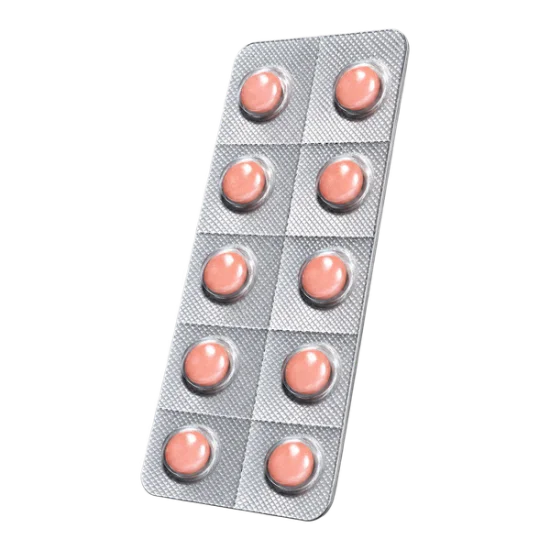
This product is supplied as tablets for oral use. Oral diclofenac is systemic, meaning that it circulates beyond the painful area and may affect the stomach, kidneys, blood pressure and cardiovascular system as well as the inflamed tissue.

Systemic oral formulations

Diclofenac tablets may be formulated for different release patterns. Some are gastro-resistant, designed to pass through the stomach before dissolving. Others are modified-release or slow-release tablets, designed to release diclofenac over a longer period.

Diclofenac sodium and diclofenac potassium are salts of the same active substance. They can differ in how quickly diclofenac becomes available in the body, which is why one formulation cannot automatically be substituted for another without considering the prescribed regimen.

Localised diclofenac approaches

Topical diclofenac gels and patches are applied to a defined painful area and generally produce lower blood concentrations than oral treatment. They can suit some localised muscle or joint problems, while tablets may be chosen when pain is deeper, more widespread or not confined to one accessible area.

Eye drops and injections are specialist formulations for specific medical uses. They are not interchangeable with oral diclofenac tablets.

Approach Main exposure pattern Typical clinical role
Oral diclofenac tablets Systemic circulation Moderate inflammatory pain affecting joints, muscles or deeper tissues
Topical diclofenac gel or patch Mainly local tissue exposure Localised soft-tissue or joint pain
Specialist local formulations Site-specific use Procedures or conditions requiring medical supervision

How Buyers Rate Diclofenac

4.3
Based on 5 reviews
Christopher, 29
Swansea
One day
Verified
Rating: 3.5 out of 5

I used the prescribed dose of diclofenac tablets for one day for a swollen ankle after football. The aching settled enough for me to sleep after the first day, but I took it with a meal because it made my stomach feel unsettled when I tried it without food.

15 Oct 2026
Michelle, 34
Newcastle upon Tyne
Several days
Verified
Rating: 5 out of 5

I used the prescribed dose for a painful back flare for several days. It reduced the sharp pain when standing up, although I still needed to keep moving gently because sitting still all evening made the stiffness worse.

23 Oct 2026
Ben, 60
York
A short course
Verified
Rating: 4 out of 5

I took the prescribed dose of diclofenac during a knee arthritis flare for a short course. It helped the swelling and walking was easier, but my GP changed the plan after my blood pressure readings rose, so it was not something I stayed on.

26 Oct 2026
Graham S., 42
Brighton
A short course
Verified
Rating: 5 out of 5

The prescribed dose of the tablets helped after dental work when paracetamol alone was not enough during a short course. I avoided beer while I was using them and had no stomach problems during the short course.

5 Nov 2026
Sarah, 50
Portsmouth
A short course
Verified
Rating: 4 out of 5

I used the prescribed dose for a shoulder strain and noticed relief within a few hours during a short course. I stopped after I developed persistent indigestion, which was frustrating, but the pain was already improving with rest and exercises.

10 Nov 2026

Sources

  1. European Medicines Agency (2013). Diclofenac-containing medicines – referral.
  2. National Institute for Health and Care Excellence (2022). Osteoarthritis in over 16s: diagnosis and management.
  3. Medicines and Healthcare products Regulatory Agency (2013). Diclofenac: new contraindications and warnings.
  4. Medicines and Healthcare products Regulatory Agency (2020). Non-steroidal anti-inflammatory drugs: cardiovascular risks.
Get our free app Shop faster and track your orders 3.9 · 425 reviews Install