Skip to content
Prednisone

Prednisone

Quality products
24/7 Support
Fast delivery
Delivery from 4 days
Active ingredient Prednisone

Free delivery on orders from £ 166.00, free express delivery from £ 249.00

Prednisone is an oral corticosteroid used for inflammatory and autoimmune conditions when the immune response needs to be reduced. It acts like cortisol, helping control swelling, pain, allergic reactions, and immune activity. Treatment is tailored to the condition, dose, duration, age, other medicines, and health history.

Overview

Prednisone is a synthetic corticosteroid and steroid hormone. The liver converts it into prednisolone, the active form that binds to glucocorticoid receptors inside cells. Prednisone belongs to the wider group of steroid medicines and immunosuppressive medicines.

Its recognised clinical role is described in the FDA prescribing information for prednisone tablets [1].

Directions for use

Prednisone tablets are taken by mouth with the prescribed dose and frequency. The treatment duration can range from a brief course to long-term therapy, depending on the indication.

  • Swallow the tablets with water.
  • Taking them with food can reduce stomach irritation.
  • Take the dose at the scheduled time each day.
  • Do not change the dose because symptoms have improved.
  • Do not stop long-term treatment suddenly unless an urgent clinician-directed plan says to do so.
  • If a tablet is missed, follow the prescriber’s missed-dose instructions rather than doubling automatically.
  • Any tablet splitting should be done only when the tablet is designed to be split and the prescribed regimen requires it.

Why tapering is individual

Prednisone can suppress the hypothalamic–pituitary–adrenal axis. This system normally signals the adrenal glands to produce cortisol. After prolonged or high-dose treatment, the body may need time to resume normal cortisol production.

A taper gradually reduces the dose so that adrenal recovery can occur while the original disease remains controlled. There is no single taper schedule suitable for every person. The plan considers the starting dose, treatment duration, underlying illness, relapse risk, current symptoms, and signs of adrenal suppression.

Stopping abruptly after a prolonged course may cause severe fatigue, weakness, dizziness, nausea, low blood pressure, joint or muscle pain, or a return of the treated disease. A taper may need to pause or become slower when symptoms return.

Formulation

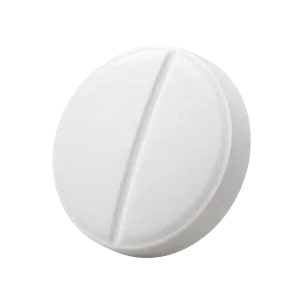
Prednisone is supplied as oral tablets. The active substance is prednisone, and the tablet strength determines how much corticosteroid is taken at each dose.

Mechanism of action

The liver converts it into prednisolone, the active form that binds to glucocorticoid receptors inside cells. This changes the production of inflammatory proteins and reduces the activity of immune cells.

Corticosteroids act at cellular level. They reduce inflammatory signalling, limit immune-cell migration into affected tissues, and decrease the release of substances that cause swelling, redness, pain, itching, and tissue irritation.

Therapeutic indications

Prednisone is used when inflammation or immune activity contributes to symptoms or tissue damage. Medical specialties that may use it include rheumatology, pulmonology, dermatology, gastroenterology, haematology, allergy medicine, and transplant medicine.

Possible clinical uses include:

  • Rheumatoid arthritis and other inflammatory joint disorders.
  • Systemic lupus erythematosus and related autoimmune diseases.
  • Asthma or severe allergic inflammation.
  • Inflammatory skin conditions.
  • Inflammatory bowel disease.
  • Certain blood disorders and malignancy-related inflammatory conditions.
  • Adrenal insufficiency, when a glucocorticoid replacement plan is prescribed.
  • Prevention or treatment of rejection after organ transplantation.

Prednisone may be given with other immunosuppressive medicines when one drug cannot provide sufficient control. The treatment plan depends on the disease, organ involvement, infection risk, and previous response to corticosteroids.

The dose is decided individually, taking age, other medicines, and health conditions into account. A high dose may be used for a short period, while a lower dose may continue for longer when disease control requires it.

Common mistakes

Several practical errors can reduce treatment control or increase side effects. Do not share tablets.

  • Stopping suddenly after a prolonged course.
  • Taking a missed dose twice without checking the intended schedule.
  • Taking evening doses when morning dosing was prescribed.
  • Using ibuprofen, naproxen, aspirin, or another anti-inflammatory regularly without checking the combination.
  • Ignoring rising thirst or frequent urination.
  • Assuming no fever means no infection.
  • Receiving a live vaccine during substantial immunosuppression.
  • Sharing tablets with someone who has similar symptoms.
  • Failing to mention previous tuberculosis, glaucoma, diabetes, osteoporosis, or severe depression.
  • Changing the taper because symptoms improved faster than expected.

A common misconception is that a short improvement means the illness has permanently cleared. Prednisone can suppress inflammation quickly while the underlying autoimmune or inflammatory process remains active.

Reasons not to use it

Prednisone is not suitable for everyone. The treatment may be inappropriate, require specialist oversight, or need additional monitoring in people with:

  • A serious untreated systemic fungal infection.
  • A known allergy to prednisone or an excipient in the tablet.
  • Poorly controlled diabetes.
  • Uncontrolled high blood pressure or significant heart failure.
  • Active peptic ulcer disease.
  • Severe osteoporosis.
  • Glaucoma or other serious eye disease.
  • A history of severe steroid-related mood disorder.
  • Untreated tuberculosis or another significant infection.
  • Recent live vaccination or a need for live vaccines during immunosuppressive treatment.

Prednisone can interact with medicines that affect infection risk, blood glucose, blood pressure, stomach protection, clotting, seizure control, and steroid metabolism. Examples include anticoagulants, non-steroidal anti-inflammatory drugs, certain diabetes medicines, some antifungals, and medicines that alter liver enzyme activity.

When this is not for you

NOT for you if a clinician has identified a serious untreated fungal infection, a severe steroid reaction, or another contraindication requiring an alternative treatment. Tell your prescriber if you have diabetes, high blood pressure, heart failure, an ulcer, osteoporosis, glaucoma, tuberculosis, another infection, or a history of severe mood problems. Ask for medical advice before receiving a live vaccine while taking Prednisone.

Unwanted effects

Prednisone side effects depend on dose, duration, age, susceptibility, and other medicines. Short courses can still cause insomnia, mood changes, indigestion, increased appetite, fluid retention, or a rise in blood glucose. Long-term treatment increases the risk of complications affecting bones, eyes, muscles, skin, metabolism, and adrenal function.

Time pattern Possible effects
Short-term use Indigestion, insomnia, increased appetite, mood changes, fluid retention, raised blood glucose
Longer or higher-dose use Weight gain, high blood pressure, osteoporosis, cataracts, glaucoma, muscle weakness, adrenal suppression
Urgent symptoms Severe infection, marked mood disturbance, vision changes, black stools, allergic reaction, severe weakness

Metabolic and cardiovascular effects

Increased appetite can lead to weight gain. Prednisone may also cause fluid and sodium retention, which can raise blood pressure or worsen swelling in susceptible people. High doses may produce steroid-induced diabetes or reveal previously unrecognised diabetes by increasing blood glucose.

People with diabetes may need closer glucose monitoring during treatment. Thirst, frequent urination, unusual tiredness, blurred vision, or unexplained weight loss can indicate significant hyperglycaemia.

Eyes, bones, skin, and mood

Prednisone can cause vision changes and may contribute to cataracts or glaucoma, especially during prolonged treatment. New visual blurring, eye pain, halos around lights, or loss of vision requires prompt assessment.

Long-term use can reduce bone density and raise fracture risk. It can also cause thinner skin, easy bruising, acne, slower wound healing, and muscle weakness. Mood changes range from irritability and anxiety to depression, agitation, mania, or rarely psychosis.

A sudden change in sleep, mood, blood glucose, or vision is more useful to report than waiting for a routine appointment. Corticosteroid effects can appear before the next planned review.

One practical detail is easy to miss: taking Prednisone late in the day may worsen insomnia. Another is that reduced inflammation can mask infection symptoms, so worsening pain, cough, urinary symptoms, or a wound problem deserves attention even without a high fever.

Comparison

Prednisone Compared with Prednisolone

Prednisone and prednisolone are closely related corticosteroids. Prednisone requires conversion in the liver, while prednisolone is already in its active form. This difference may influence selection in people with significant liver impairment or when a more predictable active drug concentration is needed.

Treatment Main pharmacological feature Clinical consideration
Prednisone Converted to prednisolone in the liver Common oral corticosteroid option when hepatic conversion is adequate
Prednisolone Active glucocorticoid form May be preferred when conversion of prednisone could be unreliable
Corticosteroid-sparing plan Uses non-steroid therapy to reduce steroid exposure May lower long-term steroid toxicity but may not control every flare

The two corticosteroids are not interchangeable milligram for milligram without a planned conversion. A clinician may also choose a steroid-sparing immunosuppressive medicine when long-term Prednisone risks become difficult to manage.

What doctors say

In clinical practice, doctors usually judge Prednisone by two outcomes: whether it controls the inflammatory disease and whether the dose can be reduced safely. Improvement in pain, breathing, rash, bowel symptoms, or swelling does not prove that the underlying condition has resolved.

Physicians also look for treatment toxicity. Blood pressure, weight, glucose, infection symptoms, bone health, mood, and eyesight may all become relevant during longer courses. The MHRA has highlighted psychiatric effects associated with systemic corticosteroids [2].

A clinician will often use the lowest dose that maintains disease control. The lowest dose is not always the same as the smallest tablet strength, because the appropriate regimen may include alternating doses, staged reductions, or temporary increases during a flare.

Tell every clinician and dentist that you are taking, or have recently taken, Prednisone. Adrenal suppression can remain relevant after the tablets have been stopped.

Comparison

Comparison table: Anti-inflammatory

What customers often ask

What happens when Prednisone is stopped, and does it need tapering?

After prolonged or high-dose treatment, the adrenal glands may not produce enough cortisol immediately. Sudden withdrawal can cause weakness, dizziness, nausea, low blood pressure, and a return of inflammation. NHS and MHRA corticosteroid guidance available before 2026 supports gradual, individualised tapering when adrenal suppression is possible. The dose should be reduced according to the prescribed plan, not according to symptom improvement alone.

Which symptoms mean that Prednisone should be stopped and medical help sought urgently?

Severe allergic swelling, breathing difficulty, confusion, black stools, severe abdominal pain, marked weakness, serious vision changes, or rapidly worsening infection symptoms need urgent assessment. Prednisone should not be stopped abruptly after prolonged treatment unless the treating clinician gives an emergency instruction, because withdrawal can itself be dangerous. MHRA safety information from 2024 links systemic corticosteroids with psychiatric, metabolic, infection-related, and adrenal complications that require prompt recognition.

What should happen after a missed Prednisone dose?

The correct action depends on how close the missed dose is to the next scheduled dose and on the treatment schedule. A missed dose should not automatically be replaced with two doses together, especially when Prednisone is being used in a taper or transplant regimen. The EMA product-information framework used in 2025 advises following the prescribed missed-dose instruction and seeking prompt guidance when several doses have been missed.

Can Prednisone be used during pregnancy or breastfeeding?

Prednisone may be used in pregnancy or breastfeeding when the expected clinical benefit justifies exposure and a clinician has selected the regimen. The dose and treatment duration matter, and the underlying inflammatory disease may also pose risks if untreated. UKTIS information reviewed in 2025 and guidance used by the NHS describe corticosteroid decisions as individualised, with observation of the infant sometimes needed during prolonged maternal treatment.

How does Prednisone differ from Prednisolone?

Prednisone is converted by the liver into prednisolone, while prednisolone is already active. This can influence treatment choice in significant liver disease or when a clinician wants to avoid relying on hepatic conversion. EMA corticosteroid information from 2023 supports treating the two drugs as related but not automatically interchangeable; dose conversion must be prescribed.

Can alcohol be consumed while using Prednisone?

Alcohol can worsen stomach irritation and may increase the risk of gastrointestinal bleeding when combined with Prednisone and non-steroidal anti-inflammatory drugs. It can also aggravate insomnia, mood changes, high blood glucose, and blood pressure problems in susceptible people. NHS medicine guidance available in 2025 advises limiting alcohol when corticosteroid-related stomach or mood effects are present, especially during prolonged treatment.

Which condition can rule Prednisone out?

An untreated serious systemic fungal infection is a clear situation in which Prednisone may be unsuitable because immune suppression can allow the infection to worsen. Other conditions, including uncontrolled diabetes, severe glaucoma, active tuberculosis, or a previous serious steroid reaction, may require specialist alternatives or close monitoring rather than automatically excluding treatment. MHRA information from 2024 supports reviewing infection history and major comorbidities before systemic corticosteroid therapy begins.

Do you offer anonymous delivery?

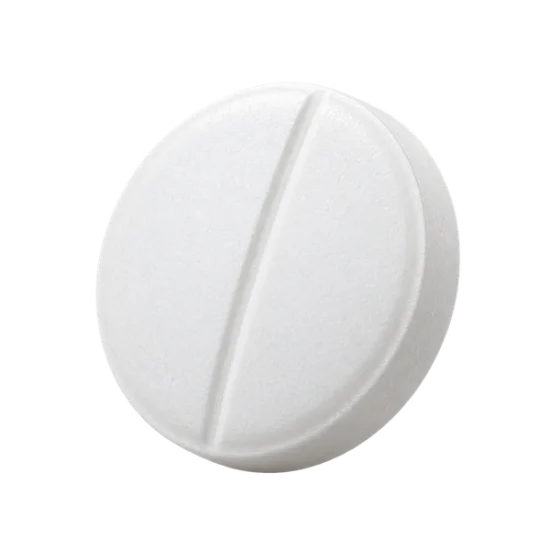
Your order will be securely packed and shipped within 24 hours. This is exactly what your package will look like (images of an actual item sent). It has the size and look of a regular private letter (24x11x0.7 cm) and its contents cannot be seen.

How Buyers Rate Prednisone

3.9
Based on 5 reviews
Steven R., 45
Swansea
Short course
Verified
Rating: 3.5 out of 5

The swelling eased within a few days, and I could move more comfortably. I had trouble sleeping and felt hungrier than usual, so taking it early helped. The taper was slower than I expected.

26 Oct 2026
Jessica, 32
Aberdeen
Short course
Verified
Rating: 4 out of 5

Breathing symptoms improved, but I noticed a metallic taste and felt restless at night. The medicine helped, although the first week was uncomfortable. My glucose readings were higher than usual and settled after the course ended.

1 Nov 2026
Stephen, 62
Norwich
Several months
Verified
Rating: 4 out of 5

The treatment reduced the morning stiffness considerably. Weight gain became frustrating over several months, and my blood pressure needed closer monitoring. I did not stop suddenly because the taper had been explained carefully.

6 Oct 2026
Natalie B., 36
Coventry
Several days
Verified
Rating: 4 out of 5

The rash settled quickly, which was a relief. I also became irritable and slept badly for several nights. A dose adjustment improved that, but the medicine was not something I wanted to continue longer than necessary.

19 Oct 2026
Stuart N., 61
Nottingham
Several weeks
Verified
Rating: 4 out of 5

Prednisone controlled the symptoms, but I developed blurred vision that needed checking. The eye assessment was reassuring, yet it reminded me that side effects should be reported rather than ignored.

10 Oct 2026

Sources

  1. FDA (2024). Prednisone Tablets — Prescribing Information.
  2. MHRA (2007). Corticosteroids: early psychiatric side-effects.
Get our free app Shop faster and track your orders 3.9 · 425 reviews Install