Skip to content
Dulcolax

Dulcolax

Quality products
24/7 Support
Fast delivery
Delivery from 4 days
Active ingredient Bisacodyl

Free delivery on orders from £ 166.00, free express delivery from £ 249.00

Constipation relief may require a medicine that stimulates the bowel when diet, fluids and movement have not been enough. Dulcolax tablets contain bisacodyl, a stimulant laxative used for short-term relief of constipation in adults and selected older children.

Overview

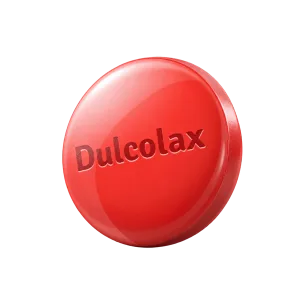
Dulcolax tablets contain bisacodyl, a stimulant laxative used for short-term relief of constipation in adults and selected older children. The delayed-release tablet is designed to act later rather than immediately after swallowing.

Directions for use

The amount per intake is set individually rather than being one fixed number for every person. The appropriate amount depends on age, the product strength, the reason for use and the person’s response. Dulcolax tablets are taken by mouth for short-term constipation relief.

Practical administration points include:

  • Swallow the tablet whole with water.
  • Do not crush, split or chew the tablet.
  • Avoid taking it with milk, antacids or acid-reducing products at the same time, because these may affect the tablet’s protective coating.
  • Allow several hours for the bowel response before considering further action.
  • Do not use repeated doses for prolonged periods without medical review.
  • If a dose is missed, take the next planned dose rather than taking extra tablets to compensate.

Bisacodyl tablets should not be used when there is severe abdominal pain, nausea, vomiting or suspected bowel obstruction. Sudden constipation with marked swelling, inability to pass gas or persistent vomiting requires prompt medical assessment rather than repeated laxative use.

One practical mistake is taking the tablet with a large glass of milk or an indigestion remedy. The issue is not the fluid itself; it is the possibility that the tablet coating breaks down too early.

Formulation

Dulcolax tablets contain bisacodyl, which belongs to the stimulant laxative class. Bisacodyl acts locally in the large intestine, increasing bowel activity and helping water remain in the stool. This can make bowel movements easier to pass when constipation has caused hard stools, infrequent bowel movements or straining. The pharmacological profile of bisacodyl is described in regulatory product information reviewed by the Medicines and Healthcare products Regulatory Agency (MHRA) [1].

The tablet form is intended for oral use. It is a delayed-release preparation, so the tablet passes through the stomach before releasing its active substance in the intestine.

Bisacodyl and bowel stimulation

Bisacodyl is converted to an active metabolite in the intestine. This metabolite stimulates the nerve endings and mucosal cells involved in colonic movement. The result is increased peristalsis, meaning coordinated contractions that move intestinal contents towards the rectum.

Dulcolax tablets are used for short-term constipation relief. They are not designed to replace regular meals, adequate fluid intake or normal bowel habits.

Swallow the tablet whole with water. The delayed-release design depends on the tablet passing through the stomach intact.

Other Dulcolax presentations

Dulcolax is also associated with other laxative formats in some markets, including suppositories, liquid preparations, soft chews and stool-softener products. Those presentations can contain different active substances, such as docusate sodium or magnesium hydroxide, and their directions are not interchangeable with bisacodyl tablets.

Docusate sodium acts as a stool softener by helping water mix with stool. Magnesium hydroxide acts as a saline laxative by drawing water into the bowel. These mechanisms differ from bisacodyl’s direct stimulation of intestinal activity, so a person should not assume that every Dulcolax-labelled product has the same ingredients or onset.

Potential benefits and limitations

Potential advantages include:

  • Short-term relief for occasional constipation.
  • Delayed timing that may suit an overnight bowel movement.
  • Local action in the colon rather than an immediate stomach effect.

One limitation is that abdominal cramping, urgency or diarrhoea can occur, especially if the dose is excessive.

Mechanism of action

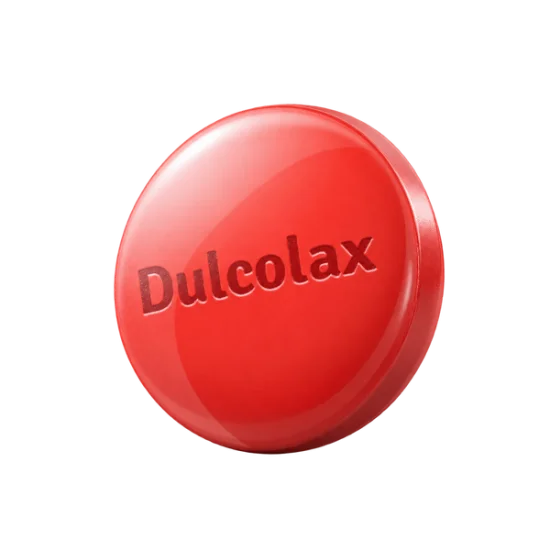
Bisacodyl increases colonic motility and promotes the movement of stool through the lower bowel. It also encourages fluid secretion into the intestinal contents, helping stool become easier to evacuate. The medicine works mainly in the colon rather than producing an immediate effect in the stomach.

The mechanism differs from a stool softener. A stool softener changes how water mixes with stool, while bisacodyl activates bowel movement. Magnesium hydroxide works through an osmotic or saline effect, retaining water in the intestinal lumen. These distinctions matter when a person is choosing a laxative according to the type and duration of constipation.

The World Health Organization describes laxatives as medicines with different actions, including stimulant, osmotic and stool-softening effects [2]. A stimulant laxative can be useful when slow bowel movement is the main problem, but repeated self-treatment can hide an underlying cause.

Therapeutic indications

Dulcolax tablets are used for short-term relief of constipation in adults and selected older children. They contain bisacodyl, a stimulant laxative that stimulates bowel activity when diet, fluids and movement have not been enough. The tablets are taken by mouth and are designed to act later rather than immediately after swallowing.

Common mistakes

Several routine errors reduce the benefit of Dulcolax tablets or increase discomfort:

  • Taking a second dose before the first dose has had time to act.
  • Crushing or chewing a delayed-release tablet.
  • Taking the tablet with milk or an antacid.
  • Using laxatives repeatedly for unexplained constipation.
  • Combining several laxative types without checking their active ingredients.
  • Ignoring severe pain, vomiting, abdominal swelling or inability to pass gas.
  • Treating laxatives as a method for weight reduction.
  • Taking more tablets after diarrhoea has already started.
  • Failing to mention regular laxative use when discussing chronic constipation with a clinician.

One useful detail is to record the time of administration and the bowel response. This helps distinguish a delayed response from treatment failure and reduces impulsive repeat dosing.

A second practical point concerns work and travel. An evening dose may cause bowel activity the following morning, but individual timing varies. First use is better planned when access to a toilet is predictable.

Reasons not to use it

  • suspected intestinal obstruction or paralytic ileus;
  • severe abdominal pain with nausea or vomiting;
  • acute inflammatory bowel disease;
  • severe dehydration;
  • a known allergy to bisacodyl or an ingredient in the tablet;
  • symptoms suggesting appendicitis or another urgent abdominal condition.

When this is not for you

Dulcolax tablets are not suitable for everyone. This medicine is not for you if you have:

People with kidney disease, heart failure, frailty or a history of electrolyte disturbance need extra caution with repeated laxative use. Pregnancy and breastfeeding also require an individual assessment, especially when constipation is persistent or severe.

Unwanted effects

Abdominal cramping is a recognised effect of bisacodyl because the medicine increases intestinal contractions. Other possible effects include abdominal discomfort, diarrhoea, nausea and irritation around the anus. Diarrhoea can lead to fluid loss when the dose is excessive or when repeated doses are taken close together.

Electrolyte disturbances are more strongly associated with prolonged or excessive use of laxatives, especially when diarrhoea causes loss of potassium and other salts. Magnesium-containing laxatives may raise magnesium levels in people with kidney impairment. These issues are less likely with a brief, appropriate course but become more relevant when constipation persists.

The MHRA advises that stimulant laxatives should be used according to the recommended duration and not as a routine method for weight control or long-term bowel management [3].

Practical measures for mild discomfort include maintaining normal fluid intake and avoiding additional laxatives until the effect of the first dose is clear. Severe or persistent abdominal pain is not a normal reason to keep increasing the dose.

A little cramping can occur as the bowel becomes more active. Severe pain, faintness, repeated vomiting or bloody stool requires medical assessment rather than another laxative dose.

A further detail is easy to miss: diarrhoea after bisacodyl can be a sign that the dose has exceeded the person’s immediate need. Continuing the same dose may worsen dehydration without improving the underlying bowel pattern.

Comparison

Different laxative categories act at different points in the bowel and have different practical uses.

Category Main action Typical role
Bisacodyl stimulant laxative Increases colonic contractions and fluid secretion Short-term relief when bowel movement is difficult
Magnesium hydroxide saline laxative Draws water into the bowel Softening and increasing stool water
Docusate sodium stool softener Helps water mix with stool Reducing stool hardness and straining

Bisacodyl may suit occasional constipation where a predictable bowel movement is needed after several hours. Magnesium hydroxide requires caution in people with impaired kidney function because magnesium can accumulate. Docusate sodium has a different purpose and may be less suitable when the main problem is markedly slow bowel movement.

The choice also depends on age, pregnancy status, kidney function, abdominal symptoms and concurrent medicines. A person with repeated constipation may require assessment of the cause rather than escalation from one laxative type to another.

What doctors say

In clinical practice, doctors usually treat occasional constipation by checking duration, stool consistency, fluid intake, mobility, diet and medicines that slow bowel movement. A stimulant laxative can be reasonable for short-term use when there are no warning symptoms. Assessment should also consider the person’s usual bowel pattern. The clinician may review recent medicines and changes in activity. Persistent symptoms can require investigation beyond laxative selection. The treatment plan should address both immediate relief and prevention of recurrence.

The clinical aim is a comfortable bowel movement, not repeated urgency or diarrhoea. If constipation returns every few days, the pattern may reflect an opioid, iron supplement, reduced mobility, low fibre intake, an endocrine disorder or another medical cause.

A doctor would also distinguish constipation from faecal impaction. Small amounts of liquid stool leaking around a hard mass can be mistaken for diarrhoea. Taking more stimulant laxative in that situation may increase cramping without resolving the blockage.

The European Medicines Agency (EMA) recognises the importance of appropriate laxative use and assessment of persistent gastrointestinal symptoms in medicine safety practice [4].

Comparison

Comparison table: Constipation

What customers often ask

Can people under 18 use Dulcolax?

Age-specific use depends on the tablet strength, the child’s age and the cause of constipation. NHS guidance from 2024 and MHRA advice recommend age-appropriate assessment for children with ongoing constipation rather than repeated adult self-treatment. Product directions and professional advice should determine whether a particular tablet is suitable for a person under 18. Severe pain, vomiting or abdominal swelling in a child needs prompt medical attention.

Does Dulcolax affect driving, concentration or machinery work?

Bisacodyl does not usually impair concentration directly, but abdominal cramps, urgency, diarrhoea or dizziness from fluid loss can make driving or machinery work unsafe. The NHS gastrointestinal medicine guidance in 2025 continued to advise attention to how a laxative affects the individual before undertaking activities requiring reliable concentration. Avoid driving if you feel faint, urgently need a toilet or have significant abdominal discomfort.

What should be discussed with a doctor before starting Dulcolax?

Discuss persistent constipation, severe abdominal symptoms, vomiting, suspected obstruction, inflammatory bowel disease, kidney disease, heart failure, pregnancy and regular medicine use. The British National Formulary information reviewed in 2025 also highlights the need to consider medicines that affect electrolytes or bowel movement. A clinician should assess constipation that repeatedly returns or lasts despite short-term measures.

What should be done if the expected result does not come?

Do not keep taking extra tablets at short intervals. Oral bisacodyl generally works after several hours, so allow the expected time for the dose to act and maintain normal fluid intake. If constipation continues, or if pain, vomiting, swelling or inability to pass gas develops, seek medical assessment. NHS advice from 2024 recommends medical review when constipation does not improve with treatment or keeps recurring.

Which diet, exercise and habits can help or hinder the result?

Regular movement, adequate fluids and gradual dietary fibre can support normal bowel function. A sudden large increase in fibre without enough fluid may worsen bloating and discomfort. Low activity, frequent postponement of the urge to defecate, dehydration and diets low in fibre can contribute to constipation. The WHO healthy diet guidance published in 2020 supports fibre-rich foods as part of normal digestive health, while a laxative should remain a short-term measure rather than a substitute for bowel habits.

Do you offer anonymous delivery?

Your order will be securely packed and shipped within 24 hours. This is exactly what your package will look like (images of an actual item sent). It has the size and look of a regular private letter (24x11x0.7 cm) and its contents cannot be seen.

Expected onset

Dulcolax tablets commonly produce a bowel movement within about 6 to 12 hours. Many people therefore take them in the evening when the next-morning timing is suitable. The response varies with intestinal transit, hydration, diet, other medicines and the severity of constipation.

A suppository may act more quickly because it is administered directly into the rectum. A stool softener may take longer and is generally used when reducing stool hardness is the main objective. These timeframes apply to different formulations and should not be transferred from one product to another.

Do not take repeated extra doses because the first dose has not worked after a short time. Oral bisacodyl usually needs several hours to produce its intended effect.

How Buyers Rate Dulcolax

4.3
Based on 4 reviews
Elaine, 40
Luton
Three days of constipation
Verified
Rating: 4.5 out of 5

used one evening dose for three days of constipation: “It worked by the next morning, although I had some stomach cramping before I needed the toilet. I did not take another tablet after it worked.”

6 Nov 2026
Jessica, 37
Hull
Two days of constipation
Verified
Rating: 5 out of 5

used one evening dose for two days of constipation during a period of reduced activity: “The result came after several hours rather than quickly. I initially thought it had failed, but taking more would have been a mistake because the first dose worked overnight.”

13 Nov 2026
Rebecca, 27
Brighton
One day of occasional constipation
Verified
Rating: 4 out of 5

used one tablet for one day of occasional constipation: “The tablet helped, but I experienced loose stools afterwards and felt slightly drained. Increasing fluids helped, and I stopped using it once the bowel movement returned.”

16 Oct 2026
Karen, 55
Sunderland
One day of travel-related constipation
Verified
Rating: 3.5 out of 5

used one dose for one day of travel-related constipation: “It gave me relief the next morning, though the cramps were uncomfortable for a short time. Persistent constipation would need a different plan rather than regular self-treatment.”

28 Oct 2026

Sources

  1. MHRA (2024). Summary of Product Characteristics (SmPC) — bisacodyl.
  2. WHO (2020). Healthy diet.
  3. NICE (2023). Clinical Knowledge Summary — Constipation.
  4. EMA (2023). Summary of Product Characteristics (SmPC) — bisacodyl.
Get our free app Shop faster and track your orders 3.9 · 425 reviews Install