Skip to content
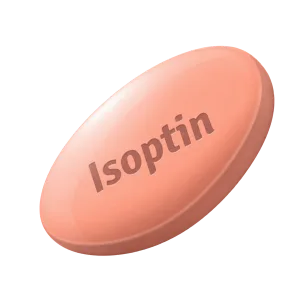
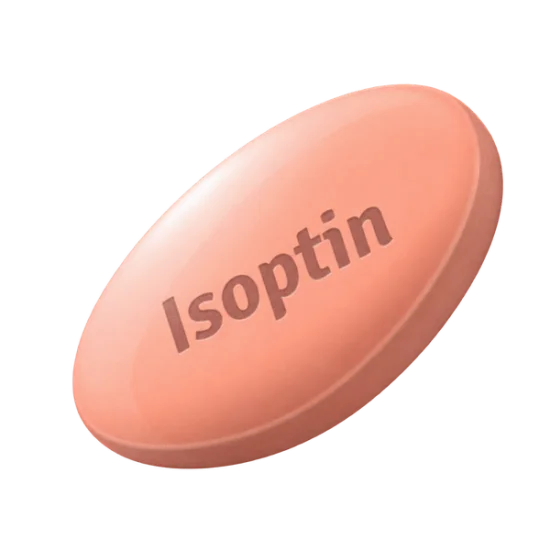
Isoptin

Isoptin

Quality products
24/7 Support
Fast delivery
Delivery from 4 days
Active ingredient Verapamil

Free delivery on orders from £ 166.00, free express delivery from £ 249.00

Isoptin tablets reduce calcium entry into heart and blood-vessel cells, helping slow cardiac conduction, relax arteries and reduce myocardial workload. The individual dose is selected for each patient.

Overview

Verapamil hydrochloride, the active ingredient of Isoptin, is a calcium-channel blocker used for hypertension, angina and selected supraventricular arrhythmias.

Directions for use

The amount taken at each intake is selected for the individual patient. Prescribing also depends on whether Isoptin is a standard-release or sustained-release tablet.

Key administration principles include:

  • Take the tablet by mouth at the prescribed interval.
  • Swallow sustained-release tablets whole unless the specific formulation is designed for another method of administration.
  • Do not crush or chew a sustained-release tablet, because altering the release system may expose the body to verapamil too quickly.
  • Take doses at consistent times to reduce fluctuations in treatment effect.
  • If a dose is missed, take it when remembered unless the next dose is due soon; do not double the next intake.
  • Seek urgent medical advice for fainting, severe breathlessness, chest pain that is new or worsening, or a very slow heartbeat.

Treatment length depends on the condition. Some people use verapamil for long-term blood-pressure or angina control, while treatment for a rhythm disorder may be reviewed after the rhythm and heart rate have been assessed.

A missed dose should not be replaced with two tablets together. Doubling verapamil can cause excessive hypotension, bradycardia or conduction slowing.

Formulation

Isoptin contains verapamil hydrochloride, a non-dihydropyridine calcium-channel blocker. It is used in cardiovascular care when a clinician needs to lower blood pressure, reduce anginal symptoms or control certain rapid supraventricular heart rhythms. The medicine acts on both vascular smooth muscle and the electrical conduction system of the heart [1].

The tablet formulation releases verapamil for absorption through the gastrointestinal tract. Standard-release tablets and sustained-release presentations have different release profiles, so they are not interchangeable on a tablet-for-tablet basis. A sustained-release formulation may be prescribed when a steadier concentration is needed across the day.

Isoptin should be identified by its release type before a dose is changed. Standard-release and sustained-release tablets can require different schedules even when the active substance is the same.

Mechanism of action

Verapamil hydrochloride blocks L-type voltage-sensitive calcium channels. These channels normally allow calcium ions to enter vascular smooth-muscle cells and myocardial cells when they are electrically activated. Less calcium entering the cells reduces contraction.

In blood vessels, this produces arterial relaxation and lowers peripheral vascular resistance. In the heart, verapamil has stronger effects on the sinoatrial and atrioventricular nodes than many other calcium-channel blockers. It slows atrioventricular conduction and can lengthen the time required for an electrical impulse to pass through the AV node.

Electrophysiological effects on the myocardium

Verapamil can reduce heart rate, slow conduction and decrease myocardial contractility. These actions may be useful when a fast supraventricular rhythm requires rate control. They also reduce the amount of oxygen demanded by the heart, which explains part of the benefit in angina.

The same pharmacology creates limitations. A patient with a slow pulse, impaired conduction, low blood pressure or reduced ventricular pumping function may deteriorate if verapamil is unsuitable. The British National Formulary and MHRA product information treat these clinical features as prescribing considerations rather than minor inconveniences.

The FDA prescribing information for verapamil describes effects on vascular tone and cardiac conduction. Verapamil therefore differs from medicines that act mainly on arterial blood vessels, because it also has clinically significant effects on the cardiac conduction system [2].

Therapeutic indications

Verapamil is used in conditions such as:

  • Hypertension, where lower vascular resistance can reduce blood pressure.
  • Chronic stable angina, where reduced heart rate and contractility can lower oxygen demand.
  • Supraventricular tachycardia, where slower conduction through the atrioventricular node can help restore or maintain a controlled rhythm.
  • Rate control in selected atrial arrhythmias, when the clinical circumstances make verapamil appropriate.

The dose per intake is set individually rather than being one fixed number for every person. Kidney function, liver function, age, heart rate, blood pressure and other medicines all influence prescribing decisions.

Common mistakes

Several avoidable errors can reduce benefit or increase risk:

  • Crushing or chewing a sustained-release tablet.
  • Taking an extra dose after a missed intake.
  • Stopping regular treatment suddenly without a planned review.
  • Combining verapamil with another heart-rate-lowering medicine without clinical oversight.
  • Assuming ankle swelling is harmless when breathlessness is also present.
  • Treating severe constipation for many days without reporting it.
  • Drinking grapefruit juice regularly without considering possible interaction.
  • Using a home pulse reading as the only measure of rhythm control.
  • Forgetting to mention verapamil before a new medicine is prescribed.
Keep a simple record of pulse, blood pressure and symptoms when treatment is being adjusted. A short note showing timing, dizziness, constipation or palpitations gives the prescriber more useful information than a single isolated reading.

Another common mistake is confusing the tablet’s release profile with its strength. A sustained-release tablet is designed to deliver verapamil over a longer period; it should not be substituted casually for a standard-release tablet.

Reasons not to use it

The medicine is generally unsuitable or requires specialist assessment in the following situations:

  • Severe hypotension or cardiogenic shock.
  • Marked bradycardia.
  • Certain forms of heart block without an appropriate pacemaker.
  • Sick sinus syndrome without pacing support.
  • Severe left-ventricular dysfunction or decompensated heart failure.
  • Atrial fibrillation or flutter associated with an accessory conduction pathway.
  • Previous serious reaction to verapamil.
  • Concomitant treatment that creates an unsafe degree of AV-node suppression.

Liver impairment

The liver metabolises verapamil. Significant hepatic impairment can prolong exposure and increase the intensity of effects on blood pressure and cardiac conduction. A lower starting dose, slower adjustment and closer monitoring may be required.

Pregnancy and breastfeeding

Verapamil should be used during pregnancy only when the expected clinical benefit justifies exposure. The decision depends on the maternal cardiovascular condition, gestational stage and available alternatives. Verapamil passes into breast milk in small amounts; breastfeeding decisions should account for the infant’s health and the prescribed maternal dose.

Older adults

Older adults may be more sensitive to hypotension, constipation, dizziness and conduction slowing. Age-related changes in liver function and the use of multiple cardiovascular medicines can increase interaction risk. Treatment is often introduced cautiously with review of pulse, blood pressure and symptoms.

The WHO cardiovascular medicines framework supports individualised treatment selection, especially where several medicines affect heart rate or blood pressure [3].

When this is not for you

Isoptin is not suitable for everyone. It may not be for you if you have marked bradycardia, low blood pressure, certain conduction disorders or severe heart failure unless a specialist advises otherwise.

Unwanted effects

Constipation is one of the most recognised adverse effects of verapamil. Reduced smooth-muscle activity in the intestine can slow bowel transit. Dizziness, flushing, headache, nausea and ankle swelling may also occur.

Peripheral oedema develops when fluid moves into tissues around the ankles and lower legs. It may be mild, but sudden or marked swelling needs clinical assessment because heart failure and other cardiovascular causes must be considered.

Possible adverse effects include:

  • Constipation.
  • Dizziness or light-headedness.
  • Headache.
  • Flushing.
  • Nausea or abdominal discomfort.
  • Ankle or lower-leg oedema.
  • Slow pulse.
  • Low blood pressure.
  • Fatigue.
  • Worsening symptoms of heart failure in susceptible patients.

Urgent assessment is needed for fainting, severe weakness, new breathlessness, chest pain, facial swelling or symptoms suggesting a serious allergic reaction. A very slow heartbeat can indicate excessive conduction or rate suppression, especially when verapamil is combined with another medicine that lowers heart rate.

One practical difficulty is that constipation may appear gradually rather than immediately. Regular fluids, adequate dietary fibre and ordinary movement can help when those measures are medically suitable. Persistent constipation, abdominal pain or vomiting requires assessment rather than repeated self-treatment with laxatives.

Ankle swelling that appears soon after treatment should not automatically be blamed on standing or warm weather. Note whether it is one-sided or both-sided and whether breathlessness has also developed.

Comparison

Verapamil is selected for its combined vascular and cardiac conduction effects. The most suitable alternative depends on the rhythm, ventricular function, blood pressure, angina pattern and concurrent medicines.

Treatment category Main clinical effect Key limitation
Verapamil Slows AV-node conduction, reduces heart rate and relaxes arteries May cause constipation, bradycardia, hypotension or worsening heart failure
Beta-blockers Reduce sympathetic stimulation, heart rate and myocardial workload May worsen asthma symptoms, fatigue or peripheral circulation in susceptible patients
Dihydropyridine calcium-channel blockers Produce arterial vasodilation with limited direct AV-node slowing Usually less suitable when direct rate control is required

Verapamil may be preferred when AV-node slowing is clinically useful and cardiac contractility is adequate. A beta-blocker may be selected when sympathetic drive, previous myocardial infarction or exertional tachycardia is central to the treatment plan. A dihydropyridine calcium-channel blocker may be chosen when arterial vasodilation is needed without the same degree of AV-node suppression.

The choice is not based on blood-pressure reduction alone. A medicine that lowers pressure well may still be unsuitable if it causes excessive bradycardia or interacts with an existing rhythm treatment.

What doctors say

In clinical practice, doctors usually judge Isoptin by three measurable outcomes: blood pressure, heart rate and symptom control. A patient may feel better before the full blood-pressure response is established, so treatment decisions should not rely on symptoms alone.

For angina, the goal is not simply to remove chest discomfort after it appears. Lowering heart rate and myocardial oxygen demand can reduce the frequency of exertional symptoms. New chest pain, pain at rest or rapidly worsening symptoms require urgent assessment.

For arrhythmias, pulse improvement does not always prove that the rhythm has normalised. An ECG may be needed to assess AV conduction and confirm the rhythm response. This is one reason a dose should not be increased solely because a home pulse reading remains elevated.

The MHRA emphasises the relevance of cardiovascular monitoring when medicines affect cardiac conduction. A clinician may review pulse, blood pressure, ECG findings, liver function and concurrent medicines at different stages of treatment [4].

Comparison

Comparison table: Hypertension

What customers often ask

How long does one Isoptin dose keep working?

The duration depends on whether the tablet is standard-release or sustained-release and on the prescribed schedule. The British National Formulary, published in 2025, describes verapamil dosing as formulation-dependent, with sustained-release products designed to maintain exposure for longer periods [5]. A single dose may affect heart rate and blood pressure for several hours, while the full treatment response develops through regular administration. The release formulation also affects how soon and how steadily those effects appear. The prescribed interval should be followed rather than adjusted according to one reading.

Can an Isoptin tablet be split, crushed or chewed?

A sustained-release tablet should not be crushed or chewed because the release system may be disrupted. Whether a tablet can be divided depends on its formulation and scoring, not simply on its shape. The NHS medicines guidance available in 2024 advises checking the specific dosage form before altering a tablet. Taking the whole tablet with water is the safer default unless the prescribed formulation expressly allows another method.

Which diet, exercise or habits support treatment?

Moderate activity, a balanced diet, appropriate salt intake and consistent sleep can support cardiovascular treatment when they suit the patient’s condition. Excessive exertion may be unsuitable during unstable angina, uncontrolled arrhythmia or symptomatic hypotension. The WHO hypertension guidance published in 2021 supports lifestyle measures alongside prescribed treatment, not as a replacement for necessary medicine. Grapefruit products deserve special attention because they may alter verapamil exposure.

Can alcohol be used during Isoptin treatment?

Alcohol may add to verapamil-related dizziness, low blood pressure and impaired concentration. The effect is more concerning when the person already experiences light-headedness or takes other medicines that lower blood pressure. NHS medicine safety advice published in 2025 recommends caution with alcohol when a medicine can cause dizziness or hypotension. Avoiding alcohol during treatment adjustment is sensible, especially after a new dose or formulation has been started.

Is driving or operating machinery safe while taking Isoptin?

Driving may be impaired if Isoptin causes dizziness, blurred vision, weakness or faintness. The risk is greatest after treatment begins, after a dose change or when another sedating or blood-pressure-lowering medicine is added. The UK Driver and Vehicle Licensing Agency guidance available in 2025 treats sudden dizziness or impaired alertness as a reason not to drive. Do not operate machinery until the individual response is clear and concentration remains normal.

Is Isoptin suitable for people under 18?

Use in children and adolescents depends on the diagnosis, formulation and specialist assessment. Verapamil is not a routine self-selected treatment for a young person with palpitations or high blood pressure. Paediatric prescribing guidance from NICE, published in 2023, supports age-appropriate assessment and careful clinical supervision where verapamil is considered. A child or teenager with fainting, chest pain or a rapid heartbeat needs medical assessment rather than an adult tablet.

Is Isoptin suitable for older adults?

Older adults can use verapamil when the cardiovascular indication is appropriate, but sensitivity to low blood pressure, bradycardia, constipation and dizziness may be greater. Multiple medicines also increase the chance of pharmacodynamic and metabolic interactions. NICE cardiovascular guidance published in 2023 supports medication review and monitoring when older patients use several cardiovascular treatments. New falls, confusion, faintness or marked fatigue should prompt a review of the treatment plan.

Do you offer anonymous delivery?

Your order will be securely packed and shipped within 24 hours. This is exactly what your package will look like (images of an actual item sent). It has the size and look of a regular private letter (24x11x0.7 cm) and its contents cannot be seen.

How Buyers Rate Isoptin

3.9
Based on 4 reviews
Ryan R., 51
Leeds
Several weeks
Verified
Rating: 4 out of 5

My palpitations settled and my blood pressure readings became less erratic. Constipation was the annoying part during the first fortnight, so I increased fluids and fibre after discussing it with my clinician.

9 Oct 2026
Graham, 57
Derby
Several weeks
Verified
Rating: 3.5 out of 5

The pulse control was useful, but I felt light-headed after standing quickly in the first few days. The dose was reviewed rather than increased, and the dizziness eased.

21 Oct 2026
Andrew, 56
Oxford
Several weeks
Verified
Rating: 4 out of 5

I noticed fewer symptoms when walking uphill after the treatment had been established. I still had occasional ankle swelling, and that needed checking rather than assuming it was harmless.

29 Oct 2026
Steven N., 69
Glasgow
Several weeks
Verified
Rating: 4 out of 5

The tablets helped my blood pressure, but the combination with my other medicines made me unusually tired. A medication review identified the issue and the schedule was changed.

5 Nov 2026

Sources

  1. MHRA (2024). Verapamil hydrochloride: Summary of Product Characteristics.
  2. FDA (2023). Verelan (verapamil hydrochloride) extended-release capsules: Prescribing Information.
  3. World Health Organization (2021). Guideline for the Pharmacological Treatment of Hypertension in Adults.
  4. MHRA (2022). Verapamil hydrochloride: Summary of Product Characteristics (SmPC).
  5. British National Formulary (2025). Verapamil: prescribing and dosage information.
Get our free app Shop faster and track your orders 3.9 · 425 reviews Install