Skip to content
Lopid

Lopid

Quality products
24/7 Support
Fast delivery
Delivery from 4 days
Active ingredient Gemfibrozil

Free delivery on orders from £ 166.00, free express delivery from £ 249.00

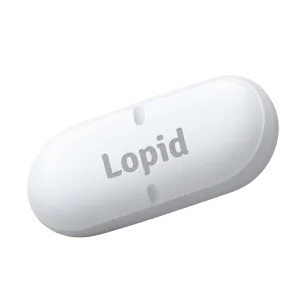
Lopid tablets are taken by mouth, usually before meals, for disorders involving raised blood fats. They contain gemfibrozil, a fibrate prescribed for hypertriglyceridaemia and selected forms of hyperlipidaemia when dietary measures alone do not provide adequate control.

Overview

Lopid belongs to the fibrate group of antihyperlipidaemic medicines. Its active ingredient is gemfibrozil, which changes how the liver and bloodstream handle triglyceride-rich lipoproteins.

Directions for use

Lopid is taken orally. The usual clinical schedule places doses before the morning and evening meals, because food timing forms part of the prescribing instructions for gemfibrozil.

The exact dose is decided individually, taking age, other medicines, and health conditions into account. A prescriber may adjust treatment after reviewing triglycerides, LDL cholesterol, kidney function, liver tests, medical history, and the response to therapy.

Common administration principles include:

  • Take each tablet at the prescribed time.
  • Take it before meals when this is the prescribed schedule.
  • Swallow the tablet with water.
  • Do not double the next dose after a missed dose.
  • If the next scheduled dose is near, omit the missed dose rather than taking two together.
  • Keep taking the medicine regularly while lipid monitoring is arranged.

Do not alter the regimen because a cholesterol result improves. Lipid levels often rise again when treatment stops, especially if the underlying metabolic cause remains.

A missed evening dose should not be “made up” with two tablets the next morning. Doubling can increase adverse effects without restoring the intended treatment pattern.

The MHRA product information for gemfibrozil describes meal timing, monitoring, contraindications, and interaction precautions as part of the prescribing framework [3].

Formulation

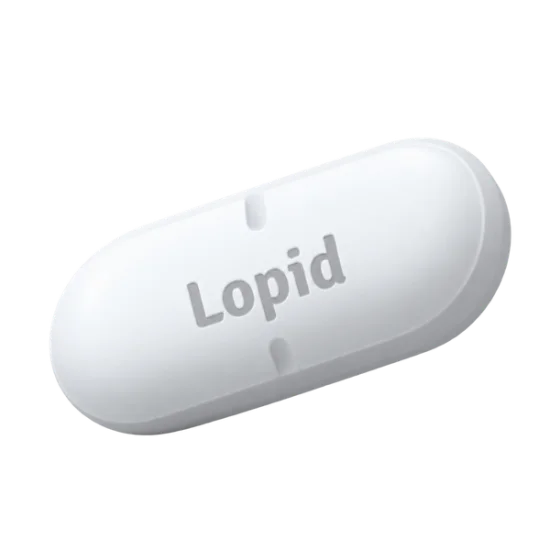
Lopid tablets contain gemfibrozil, a fibric acid derivative. Gemfibrozil is the pharmacologically active substance responsible for the medicine’s lipid-lowering action. The tablets are taken orally.

The prescribed strength and daily regimen are selected individually. A person with kidney disease, liver disease, diabetes, thyroid disease, or several concurrent medicines may need a different plan from another adult with the same lipid result.

Keep a written list of every prescription medicine, over-the-counter product, and supplement you use. Gemfibrozil has clinically significant interactions, so the complete list matters more than the name of any single medicine.

Mechanism of action

Gemfibrozil activates pathways controlled by peroxisome proliferator-activated receptor alpha, commonly shortened to PPAR-alpha. This increases the activity of lipoprotein lipase, an enzyme that helps clear triglyceride-rich particles from the bloodstream. The result is usually a fall in circulating triglycerides and very-low-density lipoprotein, or VLDL.

The drug can also alter hepatic lipid handling and may produce a modest change in HDL cholesterol. LDL cholesterol may fall, remain similar, or rise in some people, especially when triglycerides are very high. A follow-up lipid profile is therefore more useful than judging the result from one cholesterol number.

The clinical evidence for fibrates comes from long-term lipid studies and cardiovascular prevention research. The World Health Organization describes lipid management as one part of reducing cardiovascular risk, alongside blood-pressure control, smoking cessation, diabetes care, and physical activity [2].

Therapeutic indications

Lopid may be prescribed when:

  • Triglycerides are persistently high.
  • Mixed dyslipidaemia requires a treatment aimed at triglyceride-rich particles.
  • A person has a lipid disorder that has not improved sufficiently with dietary measures.
  • The clinician is concerned about pancreatitis risk from severe hypertriglyceridaemia.
  • LDL cholesterol and cardiovascular risk require a broader treatment plan involving more than one approach.

Lopid does not replace dietary treatment. Weight management, reduced alcohol intake, improved glycaemic control, and treatment of hypothyroidism can change triglyceride levels substantially.

Very high triglycerides can increase the risk of acute pancreatitis, a painful inflammation of the pancreas. The NHS and MHRA describe triglyceride reduction as a central reason for using fibrate therapy in selected patients, alongside assessment of other lipid abnormalities and reversible causes [1].

Common mistakes

Several habits can reduce the benefit or increase the risk of Lopid:

  • Taking the tablet only on days when a meal is high in fat.
  • Stopping treatment after one improved lipid test.
  • Taking two doses after forgetting one.
  • Starting a statin or supplement without reporting it.
  • Treating new muscle weakness as ordinary ageing or exercise soreness.
  • Continuing heavy alcohol intake while expecting triglycerides to fall.
  • Ignoring symptoms that could indicate gallbladder disease.
  • Missing follow-up blood tests.
  • Assuming that a normal total cholesterol result means triglycerides are normal.
  • Changing the prescribed timing around meals without checking the regimen.

Gemfibrozil works as part of a continuing treatment plan. It does not neutralise the effects of excess alcohol, uncontrolled diabetes, or a diet that repeatedly drives triglycerides upwards.

Reasons not to use it

It should not be used in the following situations unless a specialist has specifically established another plan:

  • Allergy or hypersensitivity to gemfibrozil or an excipient.
  • Severe hepatic dysfunction.
  • Severe renal dysfunction.
  • Existing gallbladder disease or active gallstones.
  • A history of serious gemfibrozil-related adverse reaction.
  • Concomitant use with medicines that create an unacceptable interaction risk.
  • Pregnancy or breastfeeding unless a specialist has determined that treatment is necessary and appropriate.
  • Neonatal use.

Gemfibrozil is contraindicated with repaglinide because the interaction can cause profound hypoglycaemia. It is also contraindicated with simvastatin in UK prescribing information because of the risk of severe muscle injury. Other statins, anticoagulants, antidiabetic medicines, and immunosuppressants may require specific review.

The European Medicines Agency describes evaluation of liver, kidney, and gallbladder risks as part of fibrate prescribing [4].

When this is not for you

Lopid may not be suitable if you have severe liver or kidney disease, active gallbladder disease, or a serious interaction with another medicine. Tell a clinician if you have diabetes, hypothyroidism, kidney impairment, liver disease, a history of gallstones, or a previous serious reaction to gemfibrozil. Pregnancy and breastfeeding require specialist review, and the medicine should not be given to newborns.

Unwanted effects

Digestive symptoms are among the more familiar adverse effects of gemfibrozil. These may include dyspepsia, abdominal pain, nausea, diarrhoea, and changes in bowel habit. Some people experience headache, dizziness, tiredness, or a skin reaction.

Seek prompt medical assessment for:

  • Unexplained muscle pain, tenderness, weakness, or dark urine.
  • Severe upper abdominal pain, especially with vomiting or fever.
  • Yellowing of the skin or eyes.
  • Marked itching, pale stools, or unusually dark urine.
  • Facial swelling, breathing difficulty, or a widespread blistering rash.
  • Persistent severe abdominal symptoms.

Gemfibrozil can increase the risk of gallstones because changes in bile composition may encourage cholelithiasis. Gallbladder symptoms can feel like strong pain under the right ribs after eating, sometimes spreading to the back or right shoulder.

Muscle toxicity is more concerning when gemfibrozil is combined with certain statins. The risk also deserves attention in people with reduced kidney function, older adults, and those taking several interacting medicines.

Muscle soreness after exercise can be easy to dismiss. New, persistent pain or weakness that is not explained by a change in activity deserves attention, especially when Lopid is taken with another lipid-lowering medicine.

A mild stomach upset may settle, but repeated abdominal pain should not be ignored. The symptom can reflect intolerance, gallbladder disease, or another condition requiring assessment.

Comparison

Lopid and other lipid medicines have different primary targets. The choice depends on the lipid pattern, pancreatitis risk, cardiovascular history, kidney function, and interacting medicines.

Treatment category Main lipid target Key clinical distinction
Gemfibrozil Triglycerides and VLDL Fibrate action; useful when triglycerides are the main concern
Statins such as atorvastatin or rosuvastatin LDL cholesterol HMG-CoA reductase inhibition; central to many cardiovascular prevention plans
Other fibrates such as fenofibrate or bezafibrate Triglycerides and VLDL Similar broad class, with different interaction and renal considerations

Statins are often prioritised when LDL cholesterol and established cardiovascular risk are the main treatment concerns. Gemfibrozil has a stronger role when triglycerides are markedly raised, though the final decision depends on the complete lipid profile.

Combining a fibrate with a statin requires careful selection and monitoring. Gemfibrozil is a problematic partner for several statins because it can increase statin exposure and raise the risk of muscle toxicity. Fenofibrate is sometimes selected instead when a fibrate is needed alongside a statin, but that choice still requires clinical assessment.

What doctors say

In clinical practice, doctors usually focus first on the triglyceride level, the presence of pancreatitis risk, and the reason for the lipid abnormality. A prescription is more useful when it is paired with repeat testing and a clear treatment target.

A clinician will also ask about muscle symptoms, abdominal pain, alcohol intake, thyroid disease, diabetes, and previous gallstones. These questions are not routine formalities; each can change the risk-benefit assessment.

One practical point is frequently missed: an improved triglyceride result does not necessarily mean that LDL cholesterol is adequately controlled. Gemfibrozil may be well suited to the triglyceride problem while a separate LDL-focused strategy remains necessary.

The other side of the decision is interaction risk. A doctor may avoid gemfibrozil when a person is already taking a medicine with a serious interaction, even if the lipid result appears to fit fibrate treatment.

Comparison

Comparison table: High Cholesterol

What customers often ask

Can Lopid affect driving, concentration, or work with machinery?

Some people may experience dizziness, headache, or visual discomfort while taking gemfibrozil, although these effects are not universal. The MHRA’s 2024 safety framework supports avoiding driving or machinery work if symptoms impair alertness, balance, or clear vision. A person who feels normal may not need to change routine activities, but the first few doses are a sensible time to observe individual response. If dizziness or visual symptoms occur, avoid driving until they resolve. Seek clinical advice if symptoms persist or worsen.

Can a Lopid tablet be split, crushed, or chewed?

The safest approach is to swallow the tablet with water unless the prescriber or dispensing pharmacist has given a specific alternative. The MHRA’s 2024 guidance treats tablet manipulation as formulation-dependent, because crushing or splitting can alter dose delivery or make swallowing more difficult. Do not chew a tablet simply to make it easier to take, especially when the product has not been confirmed as suitable for that method.

Should Lopid be taken with food or on an empty stomach?

Gemfibrozil is commonly scheduled before the morning and evening meals rather than taken after eating. The EMA’s 2023 fibrate information describes meal timing as part of administration because food can affect how the treatment is used in practice. Taking doses at roughly consistent times helps reduce missed doses, but the individual schedule remains the one selected for the person’s prescription.

Is Lopid suitable during pregnancy or breastfeeding?

Gemfibrozil is not routinely used during pregnancy or breastfeeding because fetal and infant exposure must be considered against the clinical need for treatment. The FDA’s 2018 Lopid prescribing information advises that lipid-lowering therapy requires a specific assessment during these periods, and treatment may need to be withheld. Anyone who becomes pregnant while taking Lopid should report the pregnancy promptly so the treatment plan can be reviewed.

Which diet, exercise, or habits can help or hinder the result?

Reducing alcohol is especially important when triglycerides are high, because alcohol can raise triglyceride production and undermine treatment. The WHO’s 2023 cardiovascular prevention guidance supports regular physical activity, weight management, a diet lower in excess saturated fat and refined carbohydrate, and good diabetes control. Large late meals, frequent sugary drinks, and untreated hypothyroidism can all make triglyceride control harder.

How soon might the lipid-lowering effect become noticeable?

Gemfibrozil changes lipid metabolism before a person feels any different, so symptoms are not a reliable measure of response. The MHRA’s 2024 prescribing information supports reassessing serum lipids after an appropriate treatment interval rather than judging the result within a few days. Follow-up timing depends on the starting triglyceride level, the reason for treatment, diet, diabetes control, and any dose adjustment.

Do you offer anonymous delivery?

Your order will be securely packed and shipped within 24 hours. This is exactly what your package will look like (images of an actual item sent). It has the size and look of a regular private letter (24x11x0.7 cm) and its contents cannot be seen.

Long-term cardiovascular risk reduction and clinical outcomes

Long-term control of triglycerides and LDL cholesterol forms part of cardiovascular risk reduction. Lowering cholesterol can reduce the likelihood of heart attack and stroke in appropriate patients, although the size of benefit depends on the starting risk and the lipid abnormality being treated.

Gemfibrozil has historical cardiovascular outcome evidence, including reductions in selected coronary events among patients with particular lipid patterns. The benefit is not identical for every person with hyperlipidaemia. It should not be described as a guarantee against myocardial infarction or stroke.

A complete prevention plan may include blood-pressure treatment, diabetes management, smoking cessation, physical activity, dietary changes, and an LDL-focused medicine where clinically indicated. The Cochrane evidence base on fibrates supports a risk-based approach rather than treating every lipid result in the same way [5].

How Buyers Rate Lopid

3.8
Based on 5 reviews
Andrew, 37
Dundee
Several months
Verified
Rating: 3.5 out of 5

The first week brought mild indigestion, then it settled. My follow-up blood test showed a clear improvement, although I still had to change what I ate.

7 Oct 2026
Richard, 28
Bath
Several months
Verified
Rating: 4.5 out of 5

I noticed no immediate sensation from the medicine, which made me wonder whether it was working. The difference only became clear on the blood results after follow-up.

15 Oct 2026
Adam V., 49
Sunderland
Several months
Verified
Rating: 3.5 out of 5

It helped the triglyceride number, but my stomach felt unsettled after some doses. Taking it at the prescribed time before meals made the routine easier.

20 Oct 2026
Martin, 43
Exeter
Several weeks
Verified
Rating: 2.5 out of 5

I had been exercising more at the same time, so I could not tell what caused the soreness. The clinician reviewed all my medicines and changed the plan rather than telling me to push through it.

25 Oct 2026
Jack M., 61
Glasgow
Several months
Verified
Rating: 5 out of 5

The medicine became part of a bigger routine involving less alcohol and repeat blood tests. I did not feel different day to day, but the monitoring gave me a clearer picture.

2 Nov 2026

Sources

  1. MHRA (2024). Gemfibrozil 600 mg Tablets: Summary of Product Characteristics (SmPC).
  2. World Health Organization (2023). Cardiovascular diseases (CVDs).
  3. MHRA (2024). Gemfibrozil: Patient Information Leaflet (PIL).
  4. FDA (2018). Lopid (gemfibrozil): Prescribing Information.
  5. Cochrane (2016). Fibrates for primary prevention of cardiovascular disease events.
Get our free app Shop faster and track your orders 3.9 · 425 reviews Install