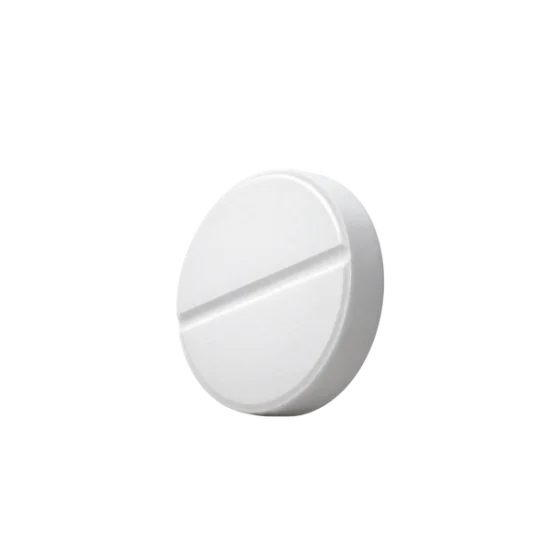
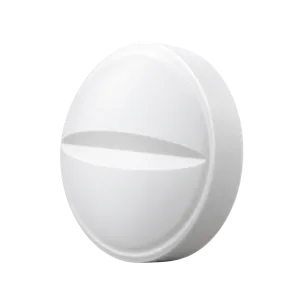
The daytime dozing became less frequent, and I could finish work without fighting sleep. Headaches appeared during the first few days and improved when I kept up my fluids and regular meals.
Modalert
It is used in conditions such as narcolepsy, obstructive sleep apnoea and shift work sleep disorder, helping patients remain alert during planned waking hours. Modalert belongs to the eugeroic class of wakefulness-promoting medicines.
Overview
Modafinil, the active ingredient associated with Modalert, is a wakefulness-promoting medicine for adults with excessive daytime sleepiness.
Directions for use
The prescribed dose is decided individually, taking age, other medicines and health conditions into account. Modalert is taken by mouth as a tablet.
Typical administration principles include:
- Take the tablet at the time prescribed for the relevant sleep disorder.
- For daytime sleepiness, dosing is usually arranged early enough to support daytime wakefulness without unnecessarily delaying night-time sleep.
- For shift work sleep disorder, the timing is linked to the expected work period.
- Swallow the tablet with water.
- Avoid taking it late in the day unless a clinician has specifically instructed this.
- Do not take extra tablets to compensate for inadequate sleep or a missed dose.
- Continue the treatment plan for the diagnosed condition rather than using it as a general energy booster.
A missed dose should not normally be doubled. If the next planned dose is approaching, the missed dose is usually omitted and the regular schedule resumed. A clinician or prescriber should provide the exact missed-dose plan when the medicine is initiated.
Food may affect how quickly a tablet begins to act, even when it does not eliminate the medicine’s clinical effect. Keeping the timing consistent makes changes in alertness and sleep easier to interpret.
Formulation
Modalert belongs to the eugeroic class of wakefulness-promoting medicines. Its pharmacological action is associated with modafinil, a central nervous system agent that supports alertness without producing the same broad stimulation profile as amphetamine-type medicines. The clinical aim is improved wakefulness, not treatment of the underlying cause of sleep loss.
Modafinil is prescribed in adults when excessive daytime sleepiness is linked to:
- Narcolepsy, a neurological sleep disorder involving irresistible sleep attacks and, in some patients, cataplexy.
- Obstructive sleep apnoea, when daytime sleepiness continues despite appropriate management of airway obstruction.
- Shift work sleep disorder, when rotating or night shifts disrupt the normal sleep-wake cycle.
- Other specialist situations where a sleep physician considers wakefulness treatment clinically justified.
The US Food and Drug Administration describes modafinil as a treatment for wakefulness in adults with narcolepsy, obstructive sleep apnoea or shift work disorder [1]. NICE and the American Academy of Sleep Medicine also publish guidance relevant to evaluating excessive daytime sleepiness. It does not replace adequate night-time sleep, airway treatment or a properly assessed work-rest schedule.
Primary clinical indications
Narcolepsy usually requires assessment by a sleep specialist because symptoms can overlap with insufficient sleep, depression, medication effects and other neurological conditions. Modafinil may reduce daytime sleepiness, but it does not remove every feature of narcolepsy. A sleep specialist may review sleep history, examination findings and relevant testing. This assessment helps distinguish narcolepsy from other causes of involuntary sleep episodes. Treatment selection should follow the confirmed diagnosis.
Patients with obstructive sleep apnoea need treatment directed at the airway problem. Wakefulness-promoting therapy may be considered when sleepiness remains after the primary sleep-disordered breathing treatment has been addressed. It should not be used to mask untreated apnoea.
For shift workers, timing is linked to the upcoming work period. The medicine may help shift workers stay alert during a planned night shift, while sleep hygiene and a protected daytime sleep period remain necessary.
Mechanism of action
Modafinil promotes wakefulness through effects on several brain signalling systems. It reduces dopamine reuptake by binding to the dopamine transporter, increasing dopamine availability in selected areas of the central nervous system. Dopamine is involved in motivation, attention and aspects of the sleep-wake cycle.
The medicine also influences noradrenaline, histamine, glutamate and GABA-related signalling. This wider activity may explain why modafinil supports alertness without behaving like a traditional amphetamine stimulant in every respect. The precise clinical contribution of each neurotransmitter system remains complex.
Eugeroic agents are designed to promote wakefulness. Traditional stimulants such as amphetamine and methylphenidate produce broader catecholamine stimulation and may have a different misuse, cardiovascular and psychiatric risk profile. Modafinil still has clinically relevant risks, including insomnia, anxiety, blood pressure changes, psychiatric reactions and rare serious skin reactions.
Therapeutic indications
Modafinil is prescribed in adults when excessive daytime sleepiness is linked to:
- Narcolepsy, a neurological sleep disorder involving irresistible sleep attacks and, in some patients, cataplexy.
- Obstructive sleep apnoea, when daytime sleepiness continues despite appropriate management of airway obstruction.
- Shift work sleep disorder, when rotating or night shifts disrupt the normal sleep-wake cycle.
- Other specialist situations where a sleep physician considers wakefulness treatment clinically justified.
Common mistakes
Several practical errors reduce benefit or increase adverse effects:
- Taking the tablet late in the day and then attributing insomnia to the medicine alone.
- Using it after a poor night’s sleep without addressing repeated sleep restriction.
- Taking an extra tablet because alertness did not improve immediately.
- Forgetting to mention hormonal contraception.
- Assuming that a medicine for obstructive sleep apnoea replaces airway therapy.
- Continuing to drive after dizziness, blurred vision or unusual stimulation begins.
- Stopping suddenly without discussing the reason, especially when the underlying sleep disorder remains active.
- Treating modafinil as a mood enhancer or study aid rather than a medicine for a defined clinical problem.
Patients also sometimes measure success by feeling stimulated. That is the wrong target. Reduced involuntary sleepiness, better functioning during the intended waking period and preserved sleep are more useful measures.
Reasons not to use it
Modafinil can reduce the reliability of hormonal contraception by inducing CYP3A4/5 enzymes. This interaction may affect combined oral contraception, progestogen-only pills, implants, injections, patches and some hormonal devices. Non-hormonal contraception is often required during treatment and for a period after stopping, according to specialist advice.
Other important interactions include:
- Warfarin, because anticoagulant control may change and INR monitoring may be needed.
- Antiseizure medicines, where enzyme effects can alter concentrations.
- Ciclosporin, because modafinil may reduce exposure.
- Certain antidepressants, antipsychotics and sedatives, depending on their metabolic pathways.
- Strong enzyme inducers or inhibitors, which may alter modafinil levels.
- Alcohol, which can worsen dizziness, impaired judgement or sleep disruption.
When this is not for you
Modalert is not suitable for everyone. This medicine is not for you if:
- You have had a serious allergic reaction to modafinil or a related component.
- You have previously developed a severe rash, blistering reaction or organ reaction after taking modafinil.
- You have uncontrolled hypertension or a clinically significant heart rhythm problem.
- You have active psychosis, uncontrolled mania or severe psychiatric instability.
- You are pregnant unless a specialist has assessed that treatment is justified.
- You are breastfeeding without a clear clinical plan.
- You are taking medicines that create a serious interaction risk.
Unwanted effects
The most frequently reported adverse effects associated with modafinil include headache, nausea, nervousness, anxiety, dizziness and trouble sleeping. Some patients also report diarrhoea, an upset stomach, back pain, a stuffy nose or blurred vision. The MHRA has highlighted psychiatric and hypersensitivity reactions as clinically important safety concerns [3].
Side effects may be more noticeable when treatment begins, after a dose change or when the tablet is taken too late. Common reactions include:
- Headache.
- Nausea or gastrointestinal discomfort.
- Diarrhoea.
- Feeling anxious or nervous.
- Dizziness.
- Insomnia or shortened sleep.
- Stuffy nose.
- Back pain.
- Blurred vision.
Seek urgent medical attention for a widespread rash, blistering, peeling skin, facial swelling, breathing difficulty, severe mouth ulcers, fever with a rash, hallucinations, mania, suicidal thoughts, chest pain, fainting or a rapid irregular heartbeat. Serious skin reactions are rare but can progress quickly.
Blood pressure and pulse may rise in some patients. People with hypertension, arrhythmia or other cardiovascular disease need an appropriate clinical assessment before treatment. New agitation, unusually elevated mood, suspiciousness or reduced need for sleep can indicate a psychiatric reaction rather than a harmless increase in energy.
One practical point is easy to miss: blurred vision or dizziness can make driving and machinery work unsafe, even when the patient feels more awake. The medicine improves alertness in some people, but it does not guarantee normal coordination.
The European Medicines Agency restricted the use of modafinil-containing medicines after reviewing safety concerns, including psychiatric reactions, cardiovascular risks and serious skin reactions [2]. This regulatory history supports careful patient selection rather than casual use for productivity.

Comparison
The most useful comparison is based on active ingredient and mechanism rather than brand name.
| Treatment category | Main clinical distinction | Key limitation |
|---|---|---|
| Modafinil | Wakefulness-promoting action with dopamine transporter effects and wider arousal-system activity | May cause headache, insomnia, anxiety, psychiatric reactions and interactions with hormonal contraception |
| Armodafinil | Longer-lasting enantiomer-related wakefulness profile | Longer persistence may worsen late-day insomnia or make adverse effects last longer |
| Amphetamine or methylphenidate stimulants | Stronger, broader catecholamine stimulation used in selected conditions | Greater concern about appetite loss, cardiovascular effects, misuse and psychiatric symptoms |
Modafinil and armodafinil are pharmacologically related but are not interchangeable on a tablet-for-tablet basis. Traditional stimulants may be selected when a different therapeutic profile is needed, while modafinil may be considered when the clinical target is persistent sleepiness.
A sleep physician also considers the cause of sleepiness, coexisting cardiovascular disease, psychiatric history, sleep duration and work schedule. The choice is not determined by alertness alone.
What doctors say
Sleep physicians generally focus on the diagnosis before selecting a wakefulness-promoting medicine. Excessive daytime sleepiness can result from untreated sleep apnoea, insufficient sleep, sedating medicines, depression, neurological disease or irregular work patterns.
A prescriber would usually want to know:
- Whether involuntary sleep episodes occur.
- How many hours are slept across a full day.
- Whether airway treatment is being used consistently.
- Which medicines, supplements and contraceptives are taken.
- Whether blood pressure, palpitations, anxiety or mood instability has occurred.
- Whether the patient drives or operates machinery.
The clinical goal is functional wakefulness during the required period, with preserved night-time sleep. If sleep becomes shorter, anxiety increases or the tablet is needed to compensate for chronic sleep deprivation, the treatment plan needs reassessment.
Comparison
What customers often ask
Can Modalert be taken with food or on an empty stomach?
Modafinil tablets may be taken with or without food, though food can alter the speed at which the effect begins. The FDA’s 2015 prescribing information describes administration without requiring a meal restriction. The practical approach is to keep the timing consistent and avoid a large late meal if delayed sleep is a concern.
Is Modalert suitable for people under 18?
Routine use in children and adolescents is not established in the same way as adult treatment. The EMA’s 2010 safety review of modafinil-containing medicines identified concerns that require careful patient selection. A paediatric sleep specialist should make the decision when a young person has severe pathological sleepiness, rather than using the medicine for school performance or ordinary tiredness.
How long does one dose of Modalert keep working?
The wakefulness effect commonly extends across much of the intended waking period, but duration varies with metabolism, liver function, sleep debt, dose timing and interacting medicines. The FDA’s 2015 product information describes a long elimination half-life, which helps explain why late administration can disturb night-time sleep. A dose should not be repeated simply because the patient feels tired later in the day.
Can Modalert be used during pregnancy or breastfeeding?
Pregnancy requires specialist review because modafinil exposure has been associated with reproductive safety concerns in regulatory assessments. The MHRA’s 2011 safety communication advises careful pregnancy prevention and clinical review for people who could become pregnant while using modafinil. Breastfeeding also requires an individual decision because the medicine and its metabolites may pass into breast milk; the prescriber should weigh infant exposure against the mother’s clinical need.
What should I do after a missed dose?
Do not take two tablets to compensate for a missed dose. The EMA’s 2010 safety review recommends that treatment decisions account for the risk of late-day insomnia and the patient’s planned waking period. If the next scheduled dose is near, the missed dose is generally skipped and the usual schedule resumed; the prescriber’s individual plan takes priority.
Do you offer anonymous delivery?
Your order will be securely packed and shipped within 24 hours. This is exactly what your package will look like (images of an actual item sent). It has the size and look of a regular private letter (24x11x0.7 cm) and its contents cannot be seen.
How Buyers Rate Modalert
I felt more awake during the afternoon, but the tablet did not replace my night-time treatment. Taking it too late left me awake at bedtime, so timing mattered more than I expected.
The alertness was useful, but I became tense and slept badly. I stopped adjusting the timing myself and discussed the anxiety with the prescriber before continuing.
Sources
- U.S. Food and Drug Administration (2015). Provigil (modafinil) Tablets: Prescribing Information.
- European Medicines Agency (2010). Modafinil-containing medicinal products: Referral under Article 31 of Directive 2001/83/EC.
- Medicines and Healthcare products Regulatory Agency (2011). Modafinil: risk of congenital malformations and psychiatric reactions.