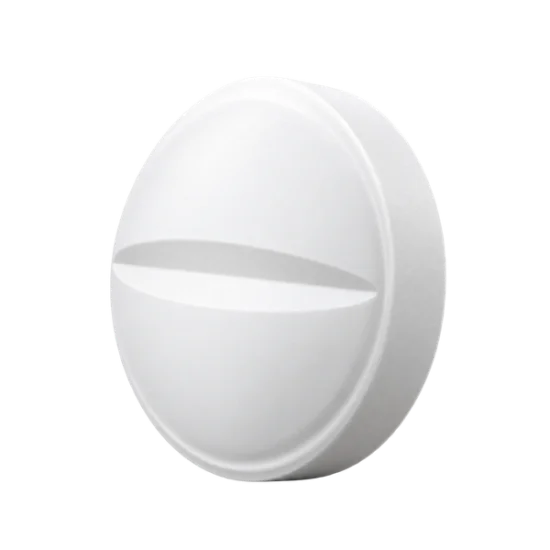
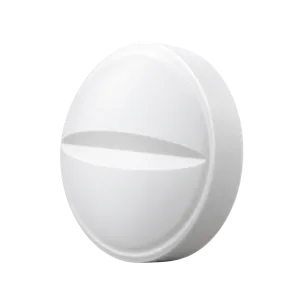
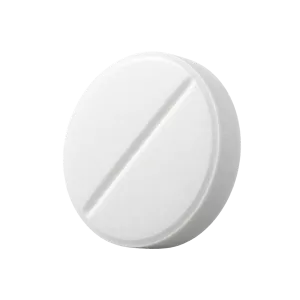
The afternoon nodding reduced after the first few days. I had headaches at the start, mostly when I skipped breakfast, and moving the tablet earlier helped.
Modvigil
Modvigil tablets are taken by mouth, usually in the morning, for excessive daytime sleepiness linked to narcolepsy, obstructive sleep apnoea, or shift-work sleep disorder. Its active ingredient, modafinil, promotes wakefulness without acting like a traditional amphetamine stimulant.
Overview
Modvigil tablets are taken by mouth, usually in the morning, for excessive daytime sleepiness linked to narcolepsy, obstructive sleep apnoea, or shift-work sleep disorder. Its active ingredient, modafinil, promotes wakefulness without acting like a traditional amphetamine stimulant.
Directions for use
Modvigil tablets are taken orally with water. The exact regimen for the chosen strength should be confirmed with a healthcare professional before treatment begins.
Common administration principles include:
- Take the prescribed daily dose at the time directed for the relevant sleep disorder.
- Morning dosing is generally used for narcolepsy and persistent daytime sleepiness.
- For shift-work sleep disorder, timing is linked to the planned work period rather than automatically to breakfast.
- Swallow the tablet with water.
- Take a missed dose when remembered only if it will not interfere with planned sleep; skip it when the next sleep period is approaching.
- Do not double the next dose to compensate for a missed tablet.
- Avoid changing the schedule repeatedly, because inconsistent timing can make insomnia and daytime alertness harder to assess.
A dose taken late in the afternoon may leave the person physically tired but unable to fall asleep at the usual time. That pattern is easy to mistake for worsening sleep disorder.
Modafinil should be used as part of a broader plan for the diagnosed sleep disorder. For obstructive sleep apnoea, it is not a replacement for airway treatment. Persistent sleepiness despite treatment may indicate insufficient sleep, poor adherence, another sleep disorder, depression, sedating medicines, or an untreated medical condition.
Formulation
Modvigil contains modafinil, a wakefulness-promoting agent used for excessive daytime sleepiness. It is supplied as tablets for oral use. Modafinil belongs to a different pharmacological group from amphetamine and methylphenidate, although all three can affect alertness and concentration.
The medicine treats the symptom of excessive sleepiness. It does not remove the underlying cause of narcolepsy, airway obstruction during sleep, or disrupted circadian rhythm. People with obstructive sleep apnoea still need appropriate treatment for the breathing disorder, while people with shift-work sleep disorder still benefit from a stable sleep routine.
Modafinil is generally taken under a prescribed treatment plan. The regimen for the chosen strength should be confirmed with a healthcare professional before starting.
A useful practical distinction is that Modvigil is not a nootropic supplement or an energy product. It is a prescription-type medicine with clinically relevant interactions and warnings. The Medicines and Healthcare products Regulatory Agency (MHRA) has highlighted restrictions around modafinil because of psychiatric, cardiovascular, skin, and pregnancy-related concerns [1].
Mechanism of action
Modafinil increases wakefulness through effects on several brain signalling systems. Its action includes inhibition of the dopamine transporter, which raises extracellular dopamine in selected areas of the brain. It also influences noradrenaline, histamine, glutamate, and orexin-related pathways involved in alertness.
The result is greater resistance to sleepiness during the day. Modafinil does not simply produce the same broad stimulation as amphetamine. Its clinical effect is more closely associated with maintaining wakefulness and improving vigilance in people with specific sleep-wake disorders.
The medicine can improve alertness, yet it does not replace normal sleep. A person who continues to sleep too little may still experience impaired judgement, slower reaction time, and reduced concentration.
Therapeutic indications
Conditions treated with modafinil
Modvigil may be prescribed for excessive daytime sleepiness associated with:
- Narcolepsy, including narcolepsy with or without cataplexy.
- Obstructive sleep apnoea when sleepiness persists despite appropriate management of the breathing disorder.
- Shift-work sleep disorder involving sleepiness during a work period scheduled at night or during usual sleeping hours.
The European Medicines Agency restricted the use of modafinil after reviewing safety concerns and concluded that its benefits were strongest for narcolepsy, with more limited use in other sleep disorders [2].
Modafinil improves wakefulness. It does not cure narcolepsy, reopen an obstructed airway, or reset a disrupted body clock permanently.
Common mistakes
Several avoidable errors can reduce benefit or increase side effects:
- Taking the tablet late in the day and then blaming Modvigil for insomnia.
- Using it to compensate for repeated sleep deprivation.
- Treating it as a replacement for obstructive sleep apnoea therapy.
- Increasing the dose independently when one day of sleepiness does not improve.
- Combining it with large amounts of caffeine or other stimulants.
- Forgetting to mention hormonal contraception.
- Stopping prescribed contraception precautions immediately after discontinuing modafinil.
- Ignoring a new rash because the first tablet caused only a mild headache.
- Driving after a dose while still sleepy, assuming wakefulness has been restored fully.
- Taking a missed dose close to bedtime.
- Failing to mention warfarin, antiseizure treatment, antidepressants, or sedatives.
Modafinil can make a person feel more capable before reaction time and judgement have fully recovered. Until the individual response is clear, caution is needed with driving, heights, and machinery.
Reasons not to use it
Particular caution or avoidance applies to people with:
- A previous serious allergic reaction to modafinil or related medicines.
- A history of severe rash caused by a medicine.
- Current mania, psychosis, or uncontrolled severe psychiatric illness.
- Uncontrolled high blood pressure.
- Significant heart disease, arrhythmia, or unexplained chest pain.
- Serious liver impairment, where dose adjustment and closer monitoring may be needed.
- Pregnancy or plans to become pregnant, unless a specialist has assessed the balance of risks and benefits.
Modafinil can reduce the reliability of hormonal contraception. This includes combined oral contraceptives, progestogen-only pills, implants, and some other hormonal methods. The interaction may continue for a period after modafinil is stopped, so contraception planning should be discussed before treatment begins. The MHRA has specifically warned about reduced contraceptive effectiveness and the need for additional precautions .
Modafinil may reduce the effect of medicines processed by liver enzymes, including some hormonal contraceptives and certain medicines used for epilepsy, transplant care, or blood clot prevention. It may also affect medicines that inhibit or induce CYP enzymes.
Important interaction groups include:
- Hormonal contraceptives.
- Warfarin and other medicines requiring blood-clotting monitoring.
- Some antiseizure medicines.
- Certain antidepressants and antipsychotics.
- Sedatives, sleeping tablets, and medicines that affect the central nervous system.
- Stimulants, high-dose caffeine, and recreational substances.
Alcohol may worsen dizziness, impaired judgement, or sleep disruption. Avoiding alcohol is the more predictable choice while the individual response to Modvigil is being established.
When this is not for you
NOT for you if you have a serious allergy to modafinil, uncontrolled psychiatric or cardiovascular illness, or pregnancy plans that have not been reviewed by a clinician.
Unwanted effects
Common adverse effects associated with modafinil include headache, nausea, nervousness, anxiety, dry mouth, reduced appetite, and insomnia. Some people experience dizziness, diarrhoea, abdominal discomfort, or blurred vision. The FDA prescribing information identifies headache, nausea, and insomnia among the adverse reactions reported during clinical studies [3].
Headache may improve with hydration, regular meals, and an earlier dosing time. Nausea is often worse when a tablet is taken on an empty stomach, although food can alter the speed of absorption. A person who develops persistent or severe symptoms should have the regimen reviewed.
The most serious warning concerns skin reactions. Stop taking Modvigil and obtain urgent medical assessment if a rash appears, especially when it spreads or occurs with blistering, peeling skin, mouth sores, facial swelling, fever, or eye irritation. Severe hypersensitivity reactions can also involve breathing difficulty, swelling, or liver-related symptoms.
Psychiatric reactions require prompt attention. New agitation, hallucinations, mania, severe anxiety, suicidal thoughts, or marked personality change should be treated as urgent symptoms.
Modafinil can increase blood pressure or heart rate in some people. Palpitations, chest pain, fainting, or unusual breathlessness require urgent medical assessment. People with cardiovascular disease may need closer monitoring.
One easily missed detail concerns urine testing. Modafinil has been reported to cause false-positive results for some drug-screening assays, so the laboratory should be told about prescribed medicines before a test is interpreted.

Comparison
The most useful comparison is by pharmacological profile rather than by brand name.
| Treatment type | Main clinical role | Key limitation |
|---|---|---|
| Modafinil | Promotes wakefulness in selected sleep-wake disorders | Can cause insomnia, headache, nausea, psychiatric symptoms, and drug interactions |
| Methylphenidate-type stimulant | Stronger central stimulation for selected attention or sleep disorders | Greater concern about appetite loss, heart rate, blood pressure, misuse, and sleep disruption |
| Amphetamine-type stimulant | Potent stimulation of alertness and attention | Higher risk of cardiovascular, psychiatric, dependence, and misuse-related problems |
Modafinil may be chosen when maintaining wakefulness is the primary goal and a traditional stimulant is unsuitable or unnecessary. It still has stimulant-like consequences for some people, including anxiety, palpitations, reduced appetite, and difficulty sleeping.
Methylphenidate and amphetamine medicines have different prescribing rules and risk profiles. Switching between them requires a new clinical assessment rather than a direct tablet-for-tablet substitution.
Modafinil also differs from caffeine. Caffeine can temporarily reduce perceived tiredness, while modafinil is used for diagnosed sleep-wake conditions under a medical treatment plan. Combining stimulatory substances can increase nervousness, palpitations, tremor, or insomnia.
What doctors say
Clinicians usually judge modafinil by daytime function, not by a sensation of stimulation. The useful outcome is staying awake during appropriate activities without developing severe insomnia, anxiety, palpitations, or mood changes.
A sleep specialist would normally confirm that the underlying sleep disorder has been assessed. In obstructive sleep apnoea, modafinil can reduce residual sleepiness, but it does not treat the airway obstruction itself. The American Academy of Sleep Medicine describes wakefulness-promoting therapy as part of a broader management approach rather than a substitute for primary treatment [4]. NICE guidance also emphasizes treating the underlying airway disorder.
Prescribers also look for causes of continuing sleepiness. Short sleep, rotating shifts, sedating antihistamines, opioid medicines, depression, anaemia, thyroid disease, and poor treatment adherence can all contribute.
The first week can be misleading. Some people feel more alert quickly, while side effects such as headache, nausea, or reduced appetite appear before the longer-term pattern becomes clear. A practical review considers sleep quality, work performance, alertness, blood pressure, mood, and timing of administration together.
Comparison
What customers often ask
What happens after stopping Modvigil, and is tapering needed?
Modafinil is not usually stopped by a prolonged taper in the same way as some sedatives or antidepressants, but the decision depends on the reason for treatment and the prescribed regimen. Daytime sleepiness can return when the wakefulness-promoting effect ends, especially if narcolepsy, obstructive sleep apnoea, or shift-work sleep disorder remains active. Fatigue after stopping may reflect the underlying condition rather than withdrawal. The EMA (2010) review of modafinil supports restricting treatment to appropriate sleep disorders and reassessing ongoing need .
How does Modvigil differ from methylphenidate?
Modvigil contains modafinil, while methylphenidate is a different central nervous system stimulant. Modafinil is mainly used to promote wakefulness in selected sleep disorders, whereas methylphenidate has a broader stimulant profile and different approved uses. Methylphenidate may produce more appetite suppression, palpitations, or behavioural stimulation in some patients, while modafinil can still cause insomnia, anxiety, and psychiatric reactions. The choice depends on diagnosis, cardiovascular history, interactions, previous response, and prescribing requirements, consistent with American Academy of Sleep Medicine guidance (2021).
Can older adults use Modvigil?
Older adults may use modafinil when a clinician has assessed the indication, but age-related changes in liver, kidney, cardiovascular, and nervous-system function can affect tolerability. A prescriber may choose a cautious regimen and monitor blood pressure, pulse, sleep, appetite, confusion, and interactions with existing medicines. Older people are also more likely to take warfarin, antihypertensives, sedatives, or antiseizure medicines. The FDA product information (2023) advises additional care when organ function or multiple medicines increase exposure risk .
Can people under 18 use Modvigil?
Routine use in children and adolescents is not established for the sleep disorders covered by adult prescribing information. Safety concerns include psychiatric symptoms, cardiovascular effects, skin reactions, and effects on sleep and development. The EMA (2010) restricted modafinil use because the benefit-risk balance was not favourable for several proposed uses, especially outside clearly defined adult indications . Use in someone under 18 should occur only within specialist paediatric or sleep-medicine care.
How long does one dose of Modvigil keep working?
A single dose generally promotes wakefulness across a substantial part of the waking day, though the duration varies with metabolism, sleep debt, liver function, interacting medicines, and the timing of administration. The effect is not a guarantee against sudden sleep episodes or impaired judgement. The FDA prescribing information (2023) describes modafinil as a treatment for wakefulness, not as a cure for the underlying sleep disorder . Anyone who remains dangerously sleepy should avoid driving and have the treatment plan reviewed.
Do you offer anonymous delivery?
Your order will be securely packed and shipped within 24 hours. This is exactly what your package will look like (images of an actual item sent). It has the size and look of a regular private letter (24x11x0.7 cm) and its contents cannot be seen.
How Buyers Rate Modvigil
It helped me stay awake during the night shift, but I still needed a proper sleep routine. Taking it too near the end of work left me awake longer than planned.
My daytime alertness improved, especially when travelling in the morning. I noticed a dry mouth and occasional nausea, so I took it with a light meal.
The first week brought anxiety and a racing feeling in my chest. The sleepiness was better, but the side effects outweighed that benefit for me.
I felt more focused during the shift, although it was easy to underestimate how tired I still was. I needed to be strict about bedtime and caffeine.
Sources
- Medicines and Healthcare products Regulatory Agency (MHRA) (2010). Modafinil: restricted use recommended
- European Medicines Agency (EMA) (2010). Modafinil-containing medicines: recommendation to restrict use
- U.S. Food and Drug Administration (FDA) (2023). PROVIGIL (modafinil) Prescribing Information
- American Academy of Sleep Medicine (2021). Clinical Practice Guideline for the Treatment of Central Disorders of Hypersomnolence