I had been treating a recurring skin problem with creams, but it kept returning. The tablets were straightforward to take, although I noticed mild nausea during the first few days. My clinician reviewed my medicines and arranged monitoring, which made the process feel more controlled.
Nizoral
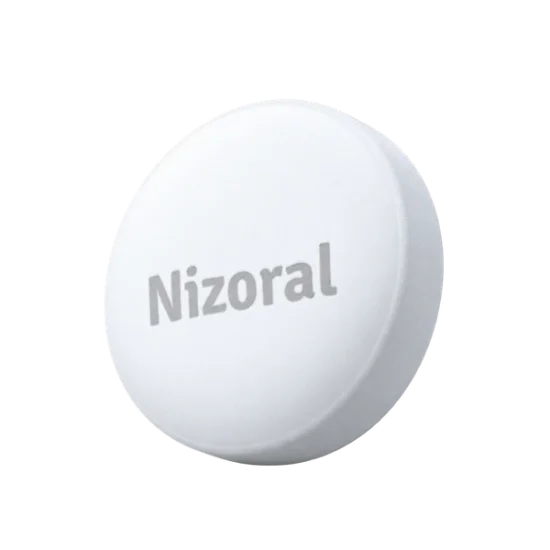
Nizoral is supplied as tablets for oral administration. The treatment regimen for the selected strength must be confirmed with a healthcare professional before starting, because oral antifungal therapy requires individual assessment of the diagnosis, liver function, current medicines, and treatment duration.
Overview
Nizoral tablets are intended for systemic treatment rather than scalp cleansing. Oral therapy differs from topical anti-dandruff products because the medicine reaches the bloodstream and may affect organs, drug metabolism, and other medicines taken at the same time.
Directions for use
Administration of Nizoral tablets
The regimen for the selected strength is confirmed with a healthcare professional before starting. The product is taken by mouth, and tablets should be swallowed as directed rather than crushed, split, or chewed unless a prescriber specifically allows this.
Practical administration points
- Take each dose at the prescribed time.
- Maintain the prescribed interval between doses.
- Swallow the tablet with water.
- Do not take extra tablets after a missed dose.
- If a dose is forgotten, follow the missed-dose instructions provided for the prescribed regimen.
- Complete the planned course unless the prescriber changes it because of an adverse reaction or test result.
- Do not share tablets with another person who has similar symptoms.
Food instructions can depend on the medicine and formulation. The regimen confirmed for the selected strength should include whether food is required or whether certain drinks must be avoided.
One practical mistake is stopping as soon as itching improves. Symptoms may settle before the infection has cleared, which can increase the chance of recurrence when treatment is stopped prematurely.
Formulation
Nizoral tablets are an oral antifungal medicine intended for systemic treatment rather than scalp cleansing. Oral therapy reaches the bloodstream and can affect organs, drug metabolism, and other medicines taken at the same time, so treatment requires individual assessment before starting.
Mechanism of action
Ketoconazole is the active antifungal medicine in Nizoral and belongs to the azole class of antifungal agents. It acts by inhibiting fungal ergosterol synthesis, weakening the fungal cell membrane and limiting fungal growth.
Therapeutic indications
Fungal conditions and treatment selection
Fungal diseases vary widely. A superficial skin infection, nail infection, oral infection, and deeper systemic infection do not follow the same treatment plan. Symptoms such as scaling, itching, redness, soreness, or cracking can occur in several unrelated conditions.
A tablet-based antifungal may be considered when topical treatment is unsuitable, insufficient, or unable to reach the infected tissue. The treatment decision also considers whether the suspected organism is sensitive to the medicine. Laboratory testing may be needed for recurrent, extensive, or treatment-resistant infections.
Scalp symptoms
Scalp flaking is commonly associated with seborrhoeic dermatitis, a condition involving inflammation, skin-barrier changes, and sensitivity to normal skin microorganisms. Topical treatment is usually preferred because it acts directly on the affected area and produces less whole-body exposure.
Oral tablets are not a routine substitute for an anti-dandruff shampoo. They should be used only when the clinical assessment supports systemic treatment.
Skin and nail infections
Skin infections can produce a defined border, scaling, itching, or gradual spread. Nail infections may cause thickening, discolouration, crumbling, or separation from the nail bed. These signs can also arise from trauma, eczema, psoriasis, or bacterial disease.
Nail treatment often takes longer than skin treatment because the medicine must remain effective while healthy nail grows. A clinician may request a sample before prescribing oral therapy, especially when the diagnosis is uncertain.
Recurrent or extensive infection
Repeated episodes, widespread involvement, immune suppression, or poor response to topical treatment can change the treatment approach. Diabetes, corticosteroid use, chemotherapy, and some immune disorders may increase the risk of persistent fungal disease.
Common mistakes
Common patient mistakes
Several practical errors can reduce treatment success or increase risk:
- taking tablets for a presumed fungal infection without diagnostic assessment;
- repeating an old course for a new rash;
- using leftover tablets after symptoms return;
- doubling the next dose after a missed tablet;
- failing to mention vitamins or herbal products;
- drinking alcohol during treatment;
- stopping when symptoms first improve;
- ignoring dark urine, severe fatigue, or yellowing of the eyes;
- assuming a scalp problem always requires oral treatment;
- taking a new medicine without checking interactions.
A tablet can be swallowed correctly and still be unsuitable for the condition. Diagnosis and medicine selection are separate steps. Symptoms can have several causes. A clinician should review the affected area. Testing may be needed before treatment.
Reasons not to use it
Contraindications and important interactions
Nizoral tablets are not suitable for everyone. The treatment is not appropriate if a prescriber has identified a serious contraindication or if the expected benefit does not outweigh the risk.
The interaction list can be extensive. Medicines affecting heart rhythm, sedatives, certain cholesterol-lowering medicines, some anticoagulants, specific medicines for anxiety or sleep, and several treatments metabolised by hepatic enzymes may require avoidance, dose adjustment, or close monitoring.
Herbal products are not automatically free from interactions. St John’s wort is a recognised example of a supplement that can alter drug metabolism and may reduce or unpredictably change the effect of some medicines.
Do not combine Nizoral tablets with a new prescription, painkiller, supplement, or recreational substance without an interaction check. The exact risk depends on the selected strength and the full medication list.
When this is not for you
This treatment is not for you if
- you have active or severe liver disease that makes oral antifungal treatment unsuitable;
- you previously experienced serious liver injury from an antifungal medicine;
- you have had a severe allergic reaction to the active medicine or an excipient;
- you take a medicine that has a dangerous interaction with the antifungal treatment;
- the symptoms have not been assessed and the diagnosis remains uncertain;
- you are pregnant or breastfeeding and a clinician has not confirmed that treatment is appropriate.
Unwanted effects
Alcohol, liver safety, and treatment monitoring
Alcohol can place additional strain on the liver during oral antifungal treatment. Avoiding alcohol during the course is a prudent safety measure, especially when the medicine itself carries liver-related warnings or when treatment lasts more than a short period.
Liver injury can begin with vague symptoms. Loss of appetite, persistent nausea, unusual tiredness, dark urine, pale stools, yellowing of the skin or eyes, or pain beneath the right ribs require prompt medical attention and suspension of further doses until a clinician provides instructions.
A history of liver disease needs to be discussed before treatment. Previous medicine-related hepatitis, heavy alcohol use, or abnormal liver-test results can alter the risk assessment.
The European Medicines Agency has issued safety information for systemic antifungal medicines, and liver-related precautions are also described in regulatory product information [1].
Side effects and tolerability
Oral antifungal tablets can cause digestive symptoms, headache, dizziness, skin reactions, or changes in laboratory test results. The likelihood depends on the active medicine, dose, treatment length, and individual health factors.
Possible reactions include:
- nausea or stomach discomfort;
- vomiting or diarrhoea;
- headache or dizziness;
- itching or skin rash;
- changes in liver blood tests;
- unusual tiredness;
- altered taste or appetite;
- allergic reactions.
A mild stomach upset may be easier to tolerate when the prescribed dose is taken exactly as directed with the permitted type of food. Do not use alcohol to settle nausea, and do not add an anti-nausea medicine without checking for interactions.
Seek urgent medical help for facial swelling, difficulty breathing, widespread blistering rash, fainting, severe weakness, yellow skin, or confusion. These symptoms may indicate a serious allergic or liver-related reaction.
The Medicines and Healthcare products Regulatory Agency, or MHRA, advises attention to suspected serious adverse reactions and appropriate reporting through the Yellow Card Scheme [2].
Comparison
Comparison with topical and alternative antifungal approaches
Treatment choice depends on where the infection is located, how extensive it is, and whether the medicine can reach the affected tissue. A tablet provides systemic exposure, while a cream, solution, or medicated shampoo acts mainly at the application site.
| Approach | Main role | Key limitation |
|---|---|---|
| Oral antifungal tablets | Selected infections requiring systemic treatment | Greater interaction and organ-safety considerations |
| Topical antifungal cream or solution | Localised skin infection | May be unsuitable for nails, hair-bearing areas, or extensive disease |
| Medicated shampoo | Scalp flaking and selected scalp conditions | Requires regular contact with the scalp and may not treat deeper infection |
Ketoconazole-based topical products, selenium-containing products, zinc-based preparations, and other anti-dandruff treatments belong to different pharmacological categories. A shampoo can be appropriate for scalp symptoms, while tablets may be considered for a confirmed infection requiring systemic exposure.
Topical and oral treatments should not be combined casually. Using two antifungal products may be reasonable in selected circumstances, but the decision depends on the diagnosis and the medicines involved.
What doctors say
Doctor perspectives on oral antifungal treatment
In clinical practice, doctors focus first on confirming the infection and then on selecting the narrowest suitable treatment. Itching alone is not enough to identify a fungal disease, and repeated self-treatment can delay the diagnosis of eczema, psoriasis, bacterial infection, or an inflammatory scalp disorder.
A physician will usually ask about previous antifungal use, liver disease, alcohol intake, pregnancy, allergies, and all current medicines. The history matters because interaction risk can be more clinically significant with oral tablets than with a product applied to a small area of skin.
Doctors also look for early signs of treatment failure. Increasing redness, pain, pus, fever, spreading lesions, or new nail involvement indicates the need for review.
The World Health Organization describes antimicrobial stewardship as using anti-infective medicines only when indicated and in a manner that limits avoidable harm [3]. That principle applies to antifungal treatment as well.
Comparison
What customers often ask
Can alcohol be used while taking Nizoral tablets?
Alcohol should be avoided during the course because oral antifungal treatment may place additional demands on the liver. The risk can be higher when there is previous liver disease, heavy alcohol use, or another medicine that affects liver function. The EMA's 2011 safety communication includes liver safety among the key considerations for systemic antifungal therapy. Report dark urine, unusual fatigue, persistent nausea, or yellowing of the skin promptly.
Which condition rules out Nizoral tablets?
Severe liver disease or a previous serious liver reaction to an antifungal medicine can rule out treatment. A dangerous interaction with another medicine may also make the treatment unsuitable. The MHRA's 2024 Yellow Card guidance highlights the need to recognise serious adverse reactions associated with medicines and report them through appropriate safety channels. A clinician should also reassess treatment when the diagnosis is uncertain, because a non-fungal skin condition will not respond appropriately.
What is the best time of day to take Nizoral tablets?
The best time depends on the confirmed regimen, formulation, and food instructions. Taking the tablet at the same time each day can reduce missed doses and makes treatment easier to follow. The chosen strength and schedule must be confirmed before starting rather than selected from a general timetable. The WHO's 2023 AWaRe antibiotic book supports clear, planned use of anti-infective medicines to reduce avoidable treatment errors.
Do diet, exercise, or daily habits affect the result?
Avoid alcohol during treatment and maintain normal hydration unless a clinician has given different fluid advice. Regular meals may help people who experience mild stomach upset, provided the confirmed regimen permits food. Exercise does not treat the infection itself, but avoiding activities that irritate affected skin can support comfort. The European Medicines Agency's 2011 safety communication emphasises that systemic antifungal safety depends on the individual treatment context, including other health conditions.
Can Nizoral tablets be combined with other medicines or supplements?
Interactions are possible with medicines that affect heart rhythm, liver enzymes, sedation, blood clotting, cholesterol metabolism, or other centrally acting effects. St John’s wort can also alter the metabolism of several medicines and should be disclosed before treatment. A complete medicine and supplement review is needed before the first dose. The MHRA's 2024 Yellow Card guidance supports reporting and assessment of suspected interaction-related harm.
How long does a course last, and is long-term use acceptable?
Treatment length depends on the confirmed infection, its location, response, and the selected regimen. Long-term use should not continue without active clinical review because prolonged systemic exposure may increase monitoring requirements and adverse-effect risk. A course should not be extended, repeated, or stopped early without a treatment decision. The WHO's 2023 antimicrobial-stewardship principles support using systemic anti-infective treatment for the necessary duration rather than indefinite self-treatment.
Do you offer anonymous delivery?
Your order will be securely packed and shipped within 24 hours. This is exactly what your package will look like (images of an actual item sent). It has the size and look of a regular private letter (24x11x0.7 cm) and its contents cannot be seen.
How Buyers Rate Nizoral
The itching improved during treatment, but I developed a dry mouth and felt tired in the evenings. I did not stop on my own; the prescriber reviewed the symptoms and changed the plan. The improvement was useful, although the tablets were not as simple as I had expected.
I missed one dose during a busy workday and nearly took two together later. The instructions were to continue with the next scheduled dose instead. The infection settled, but I needed patience because the skin looked better before it felt completely normal.
Sources
- European Medicines Agency (2011). Ketoconazole-containing medicines: European Medicines Agency recommends suspension of marketing authorisations for oral formulations.
- Medicines and Healthcare products Regulatory Agency (2024). The Yellow Card scheme: guidance for reporting suspected adverse drug reactions.
- World Health Organization (2023). WHO AWaRe antibiotic book: antibiotics and antimicrobial stewardship principles.