The first week was awkward because I underestimated how much fat was in restaurant food. After changing breakfast and lunch, the oily stools were much less frequent. Weight loss was gradual rather than dramatic, but the routine became manageable.
Orlistat
Orlistat blocks the enzymes that digest dietary fat in the gut, reducing the amount of fat absorbed from meals. It is intended for adults with obesity or excess weight alongside a reduced-calorie diet and increased activity. The unabsorbed fat leaves the body in stools, supporting weight loss.
Overview
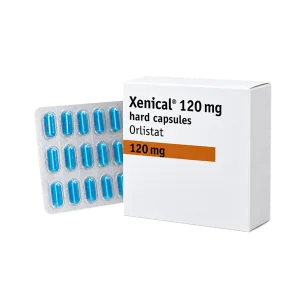
Orlistat is an anti-obesity agent that acts mainly inside the gastrointestinal tract. The active substance is Orlistat, supplied here as capsules.
Directions for use
Orlistat capsules are taken orally with meals. The amount per intake is determined individually, so a single universal dose should not be assumed for every person or every formulation. The prescribed regimen or the regimen attached to the product determines the appropriate amount.
Practical administration follows these principles:
- Take the capsule with a meal that contains fat or shortly after that meal.
- Omit the dose when a meal is skipped or contains no fat.
- Swallow the capsule with water.
- Do not take extra capsules to compensate for a missed dose.
- Use a reduced-calorie diet in which fat is distributed across the main meals.
- Maintain regular physical activity suited to your health and mobility.
The treatment course is assessed by weight response and tolerability. NICE guidance places medicines for obesity within a structured programme involving dietary change, physical activity, and follow-up [3].
A missed dose does not require doubling the next intake. Taking additional Orlistat mainly increases the chance of gastrointestinal symptoms and does not create a rapid extra weight-loss effect.
Capsules should remain in their original closed container, away from excess heat and moisture. At home, keep them out of the reach of children. During travel, store them in hand luggage or another dry, temperature-stable place rather than leaving them in a hot car or near a bathroom shower.
Formulation
The active substance is Orlistat, an anti-obesity agent supplied in capsule form. It acts mainly inside the gastrointestinal tract by blocking enzymes that digest dietary fat, reducing the amount of fat absorbed from meals.
Mechanism of action
Orlistat inhibits gastric and pancreatic lipases, the enzymes responsible for breaking dietary triglycerides into absorbable fatty acids and monoglycerides. When lipase activity is blocked, part of the fat in a meal remains undigested. That fat cannot pass efficiently through the intestinal wall, so it is excreted in the stool. The treatment supports weight loss by reducing absorbed dietary energy rather than by suppressing appetite or increasing metabolism.
Enzymatic Inhibition of Gastrointestinal Lipases
Orlistat binds to lipases within the intestinal lumen. Its action is local, with only limited systemic absorption. The medicine does not chemically destroy dietary fat; it prevents the relevant enzymes from breaking enough of that fat into molecules the intestine can absorb.
This explains several practical features:
- The medicine works on fat consumed with a meal.
- It has little direct effect on carbohydrate or protein absorption.
- A meal containing no fat does not provide the same reason for a dose.
- Unabsorbed fat may produce loose, oily, urgent stools.
The mechanism is predictable. It is also limited. Orlistat does not replace dietary planning, and it cannot offset frequent high-fat meals.
Clinical evidence reviewed by the FDA shows that Orlistat can produce greater weight reduction than diet alone when taken with a calorie-controlled eating plan [1].
Therapeutic indications
It is intended for adults with obesity or excess weight alongside a reduced-calorie diet and increased activity.
Weight reduction may improve several metabolic measures, including waist circumference, blood pressure, blood glucose, and blood lipid levels. The main driver is reduced energy absorption and the resulting change in body weight, rather than a separate stimulant or hormone-like action.
The EMA product information describes Orlistat as part of a broader weight-management programme rather than a standalone treatment [2]. People with obesity may also need monitoring for type 2 diabetes, hypertension, dyslipidaemia, sleep apnoea, and fatty liver disease. Improvements in these conditions can occur with weight loss, though the degree varies between individuals.
Common mistakes
Several habits reduce the chance of a satisfactory result or make side effects harder to manage:
- Taking a dose after a meal that contains no fat.
- Doubling the next dose after forgetting one.
- Eating very high-fat meals while expecting Orlistat to prevent all consequences.
- Taking a multivitamin at the same time as Orlistat.
- Ignoring persistent oily leakage or rectal bleeding.
- Stopping prescribed diabetes treatment without checking glucose readings.
- Treating a short-term scale fluctuation as treatment failure.
- Forgetting to mention Orlistat before starting warfarin, amiodarone, levothyroxine, or ciclosporin.
- Continuing treatment despite jaundice, severe abdominal pain, or breathing difficulty.
Reasons not to use it
Orlistat is not suitable for everyone. The treatment should not be used by a person with chronic malabsorption syndrome or cholestasis, a condition in which bile flow from the liver is impaired. These conditions can already disturb fat digestion or nutrient absorption, making Orlistat inappropriate.
Extra caution is needed in chronic kidney disease. Orlistat-related changes in oxalate handling have been associated with kidney complications in susceptible patients, including oxalate nephropathy. People with reduced kidney function need a medication review before treatment begins.
- Chronic malabsorption syndrome.
- Cholestasis.
- A serious allergic reaction to Orlistat or one of its ingredients.
- Unexplained severe abdominal pain.
- Pregnancy when used solely for weight reduction.
- A condition requiring reliable absorption of a fat-soluble medicine without a reviewed dosing plan.
When this is not for you
This is not for you if you have a condition that prevents normal fat digestion or bile flow, or if you have had a serious allergic reaction to Orlistat or any of its ingredients. Speak with a clinician before using it if you have kidney disease, are pregnant, need reliable absorption of a fat-soluble medicine, or have unexplained severe abdominal pain. Pregnancy and breastfeeding require a specific assessment because nutritional needs and possible infant exposure must be considered.
Unwanted effects
Digestive effects are the most characteristic adverse reactions. They result from unabsorbed fat passing through the bowel. Common problems include fatty or oily stools, oily leakage, increased bowel frequency, urgent bowel movements, abdominal discomfort, stomach pain, flatulence, and diarrhoea.
Symptoms may be more noticeable during the first weeks, especially when meals contain substantial amounts of fat. They often improve when dietary fat is reduced and distributed more evenly between meals. A sudden change from a low-fat diet to a takeaway meal can produce symptoms within the same day.
Patients may describe steatorrhoea, which means stools containing an increased amount of fat. The stool can look shiny or oily and may be harder to flush. This effect is unpleasant but follows directly from the medicine’s intended action.
Other possible effects include:
- Bloating or abdominal cramping.
- Loose stools or faecal urgency.
- Difficulty controlling bowel movements.
- Rectal discomfort.
- Headache.
- Reduced absorption of fat-soluble vitamins.
Fat-soluble vitamins A, D, E, and K may be absorbed less efficiently. A suitable multivitamin may be needed, but it should be separated from Orlistat according to the dosing plan because taking both together can reduce vitamin absorption.
Serious reactions are uncommon, yet several warning symptoms require prompt medical assessment. Severe abdominal pain that may extend through to the back can indicate acute pancreatitis. Yellowing of the skin or eyes, dark urine, marked itching, or unusual tiredness may signal liver injury.
Emergency help is required for signs of anaphylaxis, including swelling of the face, lips, tongue, or throat; wheezing; difficulty breathing; faintness; or widespread rapidly developing hives. Rectal bleeding also requires medical evaluation, especially when it is persistent, heavy, or accompanied by dizziness or severe abdominal pain.
The MHRA has published safety information concerning rare severe liver injury reported with Orlistat and advises attention to symptoms such as jaundice and severe weakness [4]. These symptoms should not be attributed automatically to diet-related bowel changes.
Stop and seek urgent assessment for:
- Severe or continuing abdominal pain.
- Vomiting with intense abdominal pain.
- Yellow skin or eyes.
- Very dark urine or pale stools.
- Facial or throat swelling.
- Breathing difficulty.
- Significant bleeding from the rectum.

Comparison
Orlistat belongs to a different treatment group from appetite-regulating medicines. The comparison below uses pharmacological categories rather than commercial brands.
| Approach | Main action | Practical limitation |
|---|---|---|
| Orlistat | Reduces digestion and absorption of dietary fat in the intestine | Gastrointestinal effects increase with high-fat meals |
| GLP-1 receptor agonist | Acts on appetite and glucose-regulation pathways | Injection-related use, nausea, and other drug-specific restrictions may apply |
| Lifestyle programme alone | Changes energy intake, activity, sleep, and eating behaviour | Weight loss may be slower and requires sustained habits |
Orlistat may suit a person who prefers a treatment with local intestinal action and who can adapt meal fat content. A GLP-1 receptor agonist works through a different biological pathway and may reduce appetite more directly, but it has its own administration requirements and adverse effects.
The choice depends on body-mass index, related health conditions, previous treatment response, current medicines, and the person’s ability to follow the eating plan. Clinicians should review these factors before selecting a treatment category. They should also discuss expected benefits and adverse effects. Follow-up can show whether the chosen approach remains suitable. A person should not switch between treatment categories without professional review.
What doctors say
In clinical practice, physicians usually explain Orlistat through the meal-fat relationship. The medicine is more tolerable when the eating plan is realistic, meals are not overloaded with fat, and the person understands why bowel changes occur.
Doctors also assess whether weight loss is clinically meaningful rather than focusing only on day-to-day scale changes. Waist measurement, blood pressure, blood glucose, lipid levels, mobility, and sleep quality may provide useful evidence of progress.
A common clinical mistake is assuming that stronger gastrointestinal effects mean stronger weight loss. They do not. Severe urgency or oily leakage usually signals that meal composition needs attention or that treatment tolerability is poor.
Treatment review should include kidney function where relevant, liver symptoms, vitamin intake, bowel symptoms, pregnancy status, and interacting medicines. People with diabetes may experience lower glucose readings as dietary intake and weight change, which can affect their existing treatment.
Comparison
What customers often ask
Which diet, exercise, and daily habits help Orlistat work better?
A reduced-calorie diet with moderate, evenly distributed fat supports Orlistat’s mechanism. Regular walking, resistance exercise, sleep routines, and meal planning help preserve weight loss and improve metabolic health. NICE guidance updated in 2025 places anti-obesity medicines within a wider programme of nutrition and physical activity rather than using them alone.
How should Orlistat be stored at home and while travelling?
Keep the capsules in a dry place at ordinary room temperature and away from children. Avoid bathrooms, radiators, direct sunlight, and hot vehicles because heat and moisture can damage medicines. The MHRA advises patients to follow storage instructions supplied for their specific medicine, with extra care during travel in warm conditions; this advice remains applicable in 2026.
What is the best time of day to take Orlistat?
The timing is linked to meals, not to a fixed morning or evening hour. Take the capsule with a meal containing fat or shortly after it, and omit it when the meal is skipped or fat-free. The EMA product information from 2005 describes Orlistat administration in relation to main meals, so meal timing is more relevant than the clock.
How does Orlistat differ from medicines that act on appetite and glucose regulation?
Orlistat works in the intestinal lumen by inhibiting gastric and pancreatic lipases. GLP-1 receptor agonists act through hormone receptors involved in appetite, stomach emptying, and glucose regulation. The World Health Organization’s 2024 guidance on obesity care supports choosing treatment according to clinical need, comorbidities, tolerability, and access to follow-up rather than treating all weight-loss medicines as interchangeable.
Can Orlistat be used during pregnancy or breastfeeding?
Orlistat should not be used for intentional weight reduction during pregnancy. Pregnancy changes nutritional requirements, and unexplained weight loss needs a separate medical assessment. The NHS and MHRA advise reviewing medicines during pregnancy and breastfeeding in 2026, with the decision based on maternal benefit, nutritional status, and potential infant exposure.
What happens after stopping Orlistat, and is tapering needed?
Orlistat does not usually require a gradual taper because it acts locally in the gut and does not create a recognised withdrawal syndrome. After stopping, the reduction in fat absorption ends, so weight may return if calorie intake, activity, and meal structure also change. NICE guidance from 2025 supports continued lifestyle measures and follow-up after anti-obesity treatment ends.
Do you offer anonymous delivery?
Your order will be securely packed and shipped within 24 hours. This is exactly what your package will look like (images of an actual item sent). It has the size and look of a regular private letter (24x11x0.7 cm) and its contents cannot be seen.
How Buyers Rate Orlistat
I noticed bowel urgency after a takeaway meal and decided the medicine was not working. The problem was the meal. I kept a food record afterwards, and the side effects settled, although I still found the treatment inconvenient when travelling.
My appetite did not disappear, so I had to work on portions and evening snacking myself. I lost weight over time, but the first fortnight included loose stools and stomach cramps. The experience was useful only once I stopped treating the capsules as permission to eat normally.
Sources
- U.S. Food and Drug Administration (2015). Xenical (orlistat) Prescribing Information.
- European Medicines Agency (2005). Xenical: European Public Assessment Report.
- National Institute for Health and Care Excellence (2025). Overweight and obesity management (NG246).
- Medicines and Healthcare products Regulatory Agency (2014). Orlistat: risk of serious liver injury.