Skip to content
Periactin

Periactin

Quality products
24/7 Support
Fast delivery
Delivery from 4 days
Active ingredient Cyproheptadine

Free delivery on orders from £ 166.00, free express delivery from £ 249.00

Periactin is intended for people who need relief from histamine-related allergy symptoms when cyproheptadine is considered suitable. Its antihistamine action can ease sneezing, runny nose and itchy eyes, although drowsiness may affect daily activities.

Overview

Periactin contains cyproheptadine hydrochloride, a first-generation antihistamine used to relieve histamine-related symptoms such as sneezing, runny nose and itchy eyes. It is intended for use when a clinician or pharmacist considers cyproheptadine suitable, since drowsiness and anticholinergic effects can affect daily activities. The amount and frequency of use depend on the purpose of treatment and should be agreed with a doctor or pharmacist.

Directions for use

The amount and frequency of Periactin depend on the purpose of treatment, age, symptoms, other medicines and individual medical advice. How much to use and how often to use it should be agreed with a doctor or pharmacist.

  • Take the tablets by mouth with water.
  • Use the dose and frequency agreed with a doctor or pharmacist.
  • Do not take extra tablets to obtain faster relief.
  • Do not change the schedule because symptoms vary from one day to another.
  • If a dose is missed, take it when remembered unless the next dose is close; do not double the next dose.
  • Avoid driving or operating machinery until the individual response is known.
  • Children, older adults and people with liver or kidney impairment need age- or health-specific advice.

Periactin tablets should be swallowed as directed. Crushing or splitting a tablet can alter how it is taken and may make accurate dosing harder, especially when a child or an older person is involved.

Arrange the first dose for a period when driving, cycling on busy roads or operating machinery is not necessary. Sleepiness can be more noticeable before an individual response is established.

Tablet Administration and Missed Doses

If the next scheduled dose is soon, skip the missed dose and return to the agreed schedule. Taking two doses together raises the chance of drowsiness, dizziness, blurred vision and other dose-related effects.

A missed dose does not justify extending treatment independently or taking several tablets later in the day. If repeated missed doses occur, a pharmacist can help simplify the timing without changing the prescribed amount.

Age and Health-Based Dose Adjustments

Children require age-appropriate instructions. A tablet is not automatically suitable for every child, and dosing should not be estimated from an adult schedule.

Older adults may be more sensitive to sedation, constipation, blurred vision, confusion and urinary problems. Liver or kidney impairment can also affect how medicines are handled. These factors should be reviewed before starting treatment.

Formulation

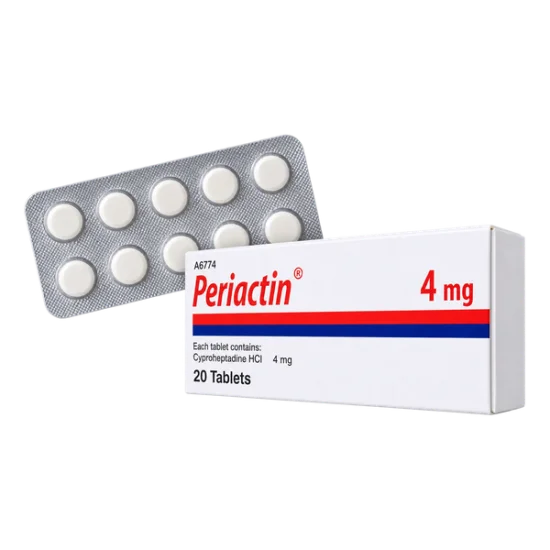
Periactin tablets contain cyproheptadine hydrochloride, an H1 antihistamine. The amount to use and how often to use it depend on the purpose of treatment and should be agreed with a doctor or pharmacist.

Cyproheptadine Hydrochloride as the Active Ingredient

Cyproheptadine Hydrochloride is the hydrochloride salt of cyproheptadine. It belongs to the first-generation antihistamine group. Each Periactin tablet contains this active ingredient.

The medicine acts on histamine pathways rather than removing the underlying sensitivity to pollen, dust mites, animal dander or other allergens. Relief may be useful when histamine symptoms are prominent, although the balance between symptom control and drowsiness differs from person to person.

Mechanism of action

Cyproheptadine is a histamine H1-receptor antagonist. An H1 receptor is a protein on cells that helps transmit some of the effects of histamine, including itching, sneezing, watery eyes and increased nasal secretion. By blocking this receptor, Periactin reduces the response to released histamine.

The medicine can also enter the central nervous system, which explains why sleepiness may occur. Its anticholinergic activity can contribute to dry mouth, blurred vision, constipation and difficulty passing urine. These effects are pharmacological possibilities, not outcomes that every patient experiences.

Histamine H1-Receptor Blockade

After an allergen triggers histamine release, histamine attaches to H1 receptors in tissues lining the nose, eyes and skin. Cyproheptadine occupies these receptors and limits the signal that produces familiar allergy symptoms.

This action can reduce symptoms, but it does not prevent every stage of an allergic response. It also does not remove the trigger itself. The World Health Organization describes antihistamines as medicines that oppose histamine effects through receptor activity, while product-specific precautions depend on the active ingredient and formulation [2].

Sedation and Anticholinergic Activity

Periactin may make some people feel sleepy, slowed down or less alert. Dry mouth may be more noticeable on waking, while blurred vision can make reading or screen work uncomfortable. Constipation and difficulty urinating are less common but clinically relevant when they occur.

Therapeutic indications

Periactin 4mg Tablets may be used for perennial or seasonal allergic rhinitis, where histamine contributes to nasal and eye symptoms.

Cyproheptadine can reduce sneezing, a watery or runny nose, nasal irritation, itchy eyes and allergy-related discomfort. Persistent symptoms still need proper assessment because allergic rhinitis, infection and non-allergic rhinitis can overlap. The UK Medicines and Healthcare products Regulatory Agency (MHRA) product information describes the pharmacological cautions associated with cyproheptadine, including sedation and anticholinergic effects [1].

Perennial and Seasonal Allergic Rhinitis

Seasonal allergic rhinitis often follows exposure to grass, tree or weed pollen. Perennial symptoms can continue throughout the year, commonly in response to indoor allergens or other persistent triggers.

Periactin may ease the nasal and eye symptoms linked with these reactions. It does not treat a bacterial infection, and it should not be used to mask persistent nasal obstruction, facial pain, fever or recurrent nosebleeds without medical assessment.

Common mistakes

  • Taking extra tablets for faster relief: More tablets increase adverse-effect risk and do not guarantee quicker symptom control.
  • Combining several antihistamines: Periactin should not be combined with Zyrtec, Phenergan, Ciplactin or a sedating cold remedy unless specifically directed.
  • Drinking alcohol after dosing: Alcohol can intensify sleepiness and poor coordination.
  • Driving before knowing the response: Even mild drowsiness can impair reaction time.
  • Treating increased appetite as a reason to continue: Increased appetite is an adverse effect, not a treatment goal for allergic rhinitis.
  • Using adult instructions for a child: Children need age-specific advice.
  • Stopping and restarting without a plan: Irregular use can make it difficult to judge benefit and tolerability.

Check combination cold and allergy products for hidden antihistamines. The active ingredient may appear in small print while the front label highlights congestion or cough.

If you cannot remember whether another allergy product was taken, do not guess by adding Periactin. Confirm the active ingredients first to avoid duplicate antihistamine exposure.

Reasons not to use it

Specific conditions that require discussion include:

  • Glaucoma, especially angle-closure glaucoma
  • Difficulty passing urine or prostate-related urinary symptoms
  • Asthma or chronic breathing problems
  • Seizure disorders
  • Cardiovascular disease
  • Liver or kidney impairment
  • Pregnancy or breastfeeding
  • Older age with a history of falls or confusion

When this is not for you

This medicine is not for you if you have had a serious reaction to cyproheptadine or one of its ingredients, or if a clinician has advised against sedating antihistamines because of a medical condition or medicine interaction.

The combination of constipation, blurred vision and urinary difficulty can signal excessive anticholinergic activity. Report the pattern rather than treating each symptom as an unrelated problem.

List every allergy, sleep, pain and cold medicine before starting Periactin. Combination products may contain an antihistamine even when the front of the pack emphasises cough, congestion or pain.

Unwanted effects

The most relevant tolerability issue is sedation. Cyproheptadine may also cause dizziness, dry mouth, blurred vision, constipation and increased appetite. The MHRA product information published in 2024 is the appropriate reference for the complete adverse-effect profile and product-specific warnings [3].

Common Sedating and Anticholinergic Effects

Possible effects include:

  • Drowsiness or reduced alertness
  • Dizziness or unsteadiness
  • Dry mouth
  • Blurred vision
  • Constipation
  • Increased appetite
  • Difficulty concentrating

A person who feels unusually sleepy during work should not try to compensate with extra caffeine and continue a safety-critical task. Stop the activity and allow the sedating effect to pass.

Alcohol, opioid pain medicines, sleeping tablets and other sedatives can intensify central nervous system depression. The combination may impair coordination even when each medicine was tolerated separately.

Keep water nearby for dry mouth, but do not use the symptom as a reason to increase the dose. Persistent constipation, urinary difficulty or blurred vision deserves prompt medicine review.

Serious Reactions Requiring Medical Attention

Seek urgent medical help for breathing difficulty, swelling of the lips or tongue, fainting, severe confusion, extreme weakness or a rapidly developing widespread allergic reaction. Inability to pass urine is also a reason for prompt assessment, especially in someone with prostate symptoms.

Severe drowsiness becomes an emergency when the person cannot be roused normally, has abnormal breathing or is at risk of falling. Do not drive to obtain help in that situation.

Comparison

The active ingredient matters more than a similar purpose. Ciplactin contains cyproheptadine, so it has the same active ingredient as Periactin where the strength and formulation match. Phenergan contains promethazine, while Zyrtec contains cetirizine. Local product information should confirm the exact formulation before any change is made. A pharmacist can verify the formulation before substitution.

Product or category Active ingredient and practical profile
Periactin; Ciplactin Cyproheptadine; first-generation antihistamine with a meaningful risk of sedation and anticholinergic effects
Phenergan Promethazine; first-generation antihistamine that can also cause sedation and anticholinergic effects
Zyrtec Cetirizine; newer antihistamine with less sedation for many people, though drowsiness can still occur

Periactin and Ciplactin should not be treated as interchangeable solely because both contain cyproheptadine. The strength, tablet instructions, patient age and clinical purpose must match.

Phenergan and Periactin share a sedating tendency, but they contain different active substances. Zyrtec may be preferred in situations where daytime alertness is a priority, yet cetirizine can still make some people drowsy. The choice depends on symptoms, medical history and interaction risk rather than a simple first-generation versus second-generation rule.

What doctors say

Clinicians weigh symptom relief against sedation, anticholinergic effects and the person’s daily responsibilities. Cyproheptadine may be considered when its antihistamine action fits the symptoms, but a medicine that reduces sneezing can still be unsuitable when sleepiness creates a driving, work or fall risk.

A pharmacist reviews age, glaucoma risk, urinary symptoms, seizure history, alcohol intake and concurrent sedatives before supporting treatment. NHS guidance on antihistamines also stresses that drowsiness can affect driving and that different antihistamines have different sedative profiles [4].

Benefit–Risk Assessment

A useful clinical question is whether the symptoms are genuinely histamine-driven. Persistent one-sided blockage, fever, facial pain or symptoms that continue despite treatment may need a different assessment.

The medicine should be judged by both benefit and tolerability. Relief of itchy eyes is less useful if the person becomes too sleepy to work safely or develops troublesome blurred vision.

Monitoring After the First Doses

Test the first dose when there is no driving, machinery work or other safety-critical responsibility. Pay attention to alertness several hours later, not only immediately after swallowing the tablet.

One practical mistake is assuming that a familiar dose will feel the same after alcohol, poor sleep or the addition of an opioid painkiller. Those factors can change the level of sedation.

Comparison

Comparison table: Allergies

What customers often ask

Can people under 18 use Periactin?

Children and teenagers should use Periactin only when an age-appropriate dose has been agreed with a doctor or pharmacist. The 4 mg tablet strength does not create a standard schedule for every person under 18. MHRA product information published in 2024 and paediatric prescribing principles require age, weight, symptoms and medical history to be considered; a child should not be given an adult’s tablets by estimation.

What should be discussed with a doctor before starting Periactin?

Mention glaucoma, urinary retention, prostate symptoms, asthma, seizures, cardiovascular disease, liver or kidney problems, pregnancy and breastfeeding. Provide a full list of medicines, including sleeping tablets, opioid painkillers, cold remedies and other antihistamines. The MHRA’s cyproheptadine product information supports this type of medicine review because sedation and anticholinergic effects can affect suitability.

Can Periactin be combined with sedatives or sleep medicines?

Combining Periactin with sedatives, sleeping medicines, opioid pain medicines or alcohol can increase drowsiness and impaired coordination. Avoid driving or machinery use if these substances are taken together, unless a prescriber has provided specific instructions. The NHS antihistamine guidance available in 2025 describes drowsiness as a practical safety concern with sedating antihistamines, including possible effects on driving.

How does Periactin differ from newer antihistamines?

Periactin contains cyproheptadine, a first-generation H1 antihistamine that is more likely to cause central sedation and anticholinergic effects than many newer options. Zyrtec contains cetirizine, which is less sedating for many people but can still cause sleepiness. The European Medicines Agency (EMA) evaluates medicines according to their active substances and product information in its 2023 regulatory materials; a change between antihistamines should therefore match the patient’s symptoms, risks and formulation.

How long does one dose of Periactin keep working?

The duration of symptom relief varies with the person, the symptom being treated and the agreed dosing schedule. Do not repeat a dose early because symptoms return or because drowsiness has passed. Official cyproheptadine prescribing information from DailyMed, updated in 2025, should guide the interval, while a pharmacist can clarify the schedule for the individual product and clinical purpose.

How soon can the effect of Periactin become noticeable?

Antihistamine effects may begin after a dose, but the timing and degree of relief vary. Nasal and eye symptoms may improve before a persistent trigger has been removed, and some people notice sedation before they judge allergy relief. The MHRA product information published in 2024 supports assessing both symptom response and tolerability rather than increasing the dose when improvement is not immediate.

Do you offer anonymous delivery?

Your order will be securely packed and shipped within 24 hours. This is exactly what your package will look like (images of an actual item sent). It has the size and look of a regular private letter (24x11x0.7 cm) and its contents cannot be seen.

How Buyers Rate Periactin

3.7
Based on 3 reviews
Gareth, 62
Reading
1 week
Verified
Rating: 3.5 out of 5

I took it in the evening because the first tablet made me sleepy. My nose and eyes were calmer by the next day, but the dry mouth was inconvenient and I avoided it before driving.

3 Nov 2026
Emma, 64
Leicester
1 week
Verified
Rating: 4 out of 5

The tablets helped the itching after a few doses. I also became constipated and felt less steady on stairs, so I stopped and arranged a review rather than carrying on automatically.

6 Oct 2026
Simon D., 39
Glasgow
1 week
Verified
Rating: 3.5 out of 5

It reduced the runny nose, although the tiredness was too much for my early shifts. I found it easier to judge the effect when I did not drink alcohol and took it only as advised.

28 Oct 2026

Sources

  1. MHRA (2024). Summary of Product Characteristics (SmPC) — cyproheptadine hydrochloride
  2. WHO (2023). WHO Model List of Essential Medicines
  3. DailyMed (2025). Cyproheptadine hydrochloride tablet — prescribing information
  4. NHS (2025). Antihistamines
Get our free app Shop faster and track your orders 3.9 · 433 reviews Install