The first night I felt light-headed when I went to the bathroom. I started sitting on the bed first and the problem eased over the next couple of weeks. My readings became steadier, although I still kept the monitor beside the kettle.
Prazosin
Its established cardiovascular role is the treatment of hypertension. Clinicians may also consider alpha-1 blockade when benign prostatic hyperplasia causes obstructive urinary symptoms, although treatment choice depends on the patient’s prostate assessment and cardiovascular status.
Overview
Prazosin is a quinazoline derivative and an alpha-1 blocker. The active pharmaceutical substance is prazosin, commonly supplied as prazosin hydrochloride. The drug belongs to the alpha-blocker group rather than the diuretic or beta-blocker groups.
Directions for use
The amount per intake is set individually for each person. Prazosin is taken by mouth according to the prescribed schedule, with the first dose commonly planned at bedtime or with the evening meal to reduce the practical consequences of dizziness.
- Take the capsule at the prescribed time with water.
- The initial dose is commonly taken in the evening, often shortly before retiring.
- Later doses may be divided across the day when the prescriber selects a conventional formulation.
- Maintenance doses may be taken with or without food, but taking them in a consistent way can help maintain a predictable response.
- Do not double the next intake after a missed dose.
- If a missed dose is noticed near the next scheduled dose, omit the missed intake and continue with the usual schedule.
- Dose increases should occur only according to the individual treatment plan.
Prazosin’s blood-pressure effect can begin before the body has adapted to alpha-1 blockade. Dizziness may be more noticeable after the first dose, after a dose increase, during illness causing dehydration, or when another blood-pressure medicine is added. Alcohol can intensify light-headedness and impaired coordination.
The FDA prescribing information describes the first-dose phenomenon and the need for gradual titration [2]. Driving, climbing, and operating machinery require extra caution until the person knows how the medicine affects balance and alertness.
Formulation
The active pharmaceutical substance is prazosin, commonly supplied as prazosin hydrochloride. Prazosin is a quinazoline derivative and an alpha-1 blocker.
Mechanism of action
Prazosin blocks alpha-1 adrenergic receptors on vascular smooth muscle. These receptors normally respond to noradrenaline by producing vasoconstriction. Blocking them reduces resistance in peripheral arteries and veins, which can lower blood pressure.
The same receptor activity can relax smooth muscle around the bladder outlet and prostate. This may reduce resistance to urine flow in selected patients with benign prostatic hyperplasia. Prazosin does not shrink prostate tissue, so its effect differs from treatments that reduce prostate volume over time.
The MHRA product information describes gradual dose adjustment and careful initial administration to reduce this risk [1].
Therapeutic indications
Its established cardiovascular role is the treatment of hypertension. Clinicians may also consider alpha-1 blockade when benign prostatic hyperplasia causes obstructive urinary symptoms, although treatment choice depends on the patient’s prostate assessment and cardiovascular status.
Prazosin has also been studied for Raynaud’s syndrome and other conditions involving excessive vascular constriction. These uses require individual clinical judgement because the balance between improved blood flow and low blood pressure differs from person to person.
Common mistakes
Several avoidable errors make Prazosin harder to tolerate:
- Taking the first dose in the morning before work or driving.
- Standing quickly after lying down.
- Increasing the amount because blood pressure has not changed after one intake.
- Taking a missed dose together with the next scheduled dose.
- Stopping suddenly after several weeks without a plan for monitoring.
- Combining Prazosin with another alpha-blocker or erectile-dysfunction medicine without reporting it.
- Ignoring dehydration during vomiting, diarrhoea, fever, or hot weather.
- Assuming urinary symptoms are benign without assessment for infection, obstruction, or prostate disease.
- Opening a capsule or altering a modified-release preparation.
- Judging treatment by symptoms alone instead of recording seated and standing readings.
One subtle mistake is taking the capsule at a different time every day. Variable timing can make dizziness appear unpredictable, especially when the person also changes meals, alcohol intake, or physical activity.
Another is using a home blood-pressure monitor with the arm unsupported or taking readings immediately after walking upstairs. Resting quietly before measurement produces a more useful trend.
Reasons not to use it
Prazosin is not suitable for everyone. The medicine is unsuitable for a person with a previous allergic reaction to prazosin or one of its excipients. Mechanical urinary obstruction also needs assessment before alpha-blockade is used, because relaxing smooth muscle will not remove a physical blockage.
Clinical evaluation should consider the following situations:
- A history of severe fainting or micturition syncope.
- Angina pectoris or unstable cardiovascular disease.
- Heart failure, where blood-pressure reduction and fluid status require specialist management.
- Significant hepatic impairment.
- Renal impairment or a history of difficult blood-pressure control.
- Older age, frailty, falls, or treatment with several blood-pressure medicines.
- Pregnancy or breastfeeding, where the expected benefit and alternatives need individual assessment.
- Suspected prostate cancer or another cause of urinary obstruction before attributing symptoms to benign prostatic hyperplasia.
Prazosin can interact pharmacodynamically with other medicines that lower blood pressure. Additive hypotension may occur with diuretics, beta-blockers, calcium-channel blockers, nitrates, medicines for erectile dysfunction, and other alpha-blockers. The combination with phosphodiesterase-5 inhibitors can cause a clinically significant blood-pressure drop, so timing and dose selection require medical supervision.
Other medicines that cause sedation or dizziness may increase fall risk. Dehydration from vomiting, diarrhoea, fever, or heavy sweating can make postural symptoms worse. The prescriber may use a lower starting dose in an older adult or in hepatic impairment, then increase it cautiously.
When this is not for you
This medication is not for you if you have had a serious hypersensitivity reaction to prazosin, unexplained recurrent fainting, untreated mechanical urinary obstruction, or a current combination that creates an unacceptable risk of severe hypotension.
Unwanted effects
Prazosin’s most recognised adverse effect is postural hypotension, meaning blood pressure falls after moving from sitting or lying to standing. Symptoms can include dizziness, weakness, blurred vision, faintness, fatigue, headache, and nausea.
Other reported reactions include palpitations, a faster heartbeat, drowsiness, nasal congestion, dry mouth, ankle swelling, and gastrointestinal discomfort. Some people experience symptoms early in treatment that settle as the body adjusts. Persistent or worsening symptoms need clinical review because they can also reflect excessive blood-pressure reduction.
| Reaction pattern | Symptoms requiring attention |
|---|---|
| Commonly reported | Dizziness, fatigue, headache, weakness, nasal congestion, palpitations |
| Postural blood-pressure effect | Light-headedness or faintness after standing, blurred vision, unsteadiness |
| Urgent reaction | Collapse, chest pain, severe breathlessness, facial swelling, or a prolonged painful erection |
Rare but urgent problems include severe hypotension, collapse, allergic swelling, breathing difficulty, and priapism. Priapism is an erection that is painful or persists for several hours; it requires urgent treatment to prevent tissue injury. Chest pain, severe shortness of breath, or fainting also warrants urgent medical assessment.
Prazosin may affect sexual function in some people, although the pattern varies. A person who develops repeated palpitations should not simply stop and restart the medicine independently, because abrupt changes may destabilise blood-pressure control.
Comparison
Prazosin, terazosin, and doxazosin all block alpha-1 receptors, yet their pharmacokinetic profiles differ. Prazosin is generally shorter acting and may require more frequent administration than longer-acting alternatives. Terazosin and doxazosin are often used in schedules designed for once-daily treatment, depending on the formulation and clinical indication.
| Medicine | Main pharmacological profile | Practical dosing pattern |
|---|---|---|
| Prazosin | Shorter-acting alpha-1 blocker | Often divided dosing after individual titration |
| Terazosin | Longer-acting alpha-1 blocker | Frequently used once daily after a low initial dose |
| Doxazosin | Longer-acting alpha-1 blocker | Often once daily; modified-release forms may differ |
Prazosin can be useful when a clinician wants an alpha-1 blocker with a shorter duration that can be adjusted across the day. Its drawback is a greater need for careful timing and adherence when more than one daily intake is prescribed.
Terazosin and doxazosin may offer simpler schedules, but they can still cause dizziness, orthostatic hypotension, fatigue, and fainting. A once-daily schedule does not remove the first-dose risk. The choice depends on treatment goal, blood-pressure pattern, urinary symptoms, age, falls risk, and concurrent medicines.
What doctors say
In clinical practice, doctors tend to focus on the first-dose response before judging the long-term benefit of Prazosin. A patient may feel dizzy after the first capsule without the medicine being unsuitable; the reaction can reflect rapid adaptation to alpha-1 blockade. Recurrent faintness, falls, or very low readings need a change in the treatment plan.
Blood-pressure treatment should be assessed through repeated readings rather than one measurement taken soon after a dose. NICE guidance on hypertension supports structured blood-pressure assessment and review of treatment response [3].
For urinary symptoms, a clinician will ask about weak stream, hesitancy, urgency, nocturia, pain, blood in the urine, and incomplete emptying. Prazosin can relax smooth muscle, but it does not treat infection, bladder stones, prostate cancer, or a fixed obstruction.
A practical prescribing point is to review every medicine that can lower blood pressure. Patients often remember prescription drugs but forget to mention nitrates, erectile-dysfunction treatments, sedating antihistamines, or alcohol intake. That omission can explain a sudden change in tolerance.
Comparison
Inspra
Isoptin
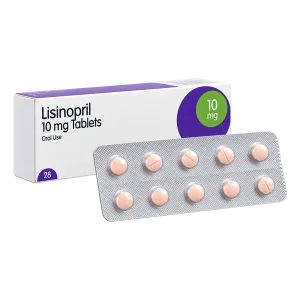
Lisinopril
Micardis
What customers often ask
Can people under 18 use Prazosin?
Use in people under 18 requires a specialist decision based on the diagnosis, body size, cardiovascular status, and available evidence. Paediatric prescribing should not copy an adult schedule because the first-dose blood-pressure response can be difficult to predict. MHRA guidance published in 2025 advises specialist oversight when a medicine is used in children outside an established indication. A child with fainting, palpitations, or breathing difficulty needs prompt assessment.
What is the best time of day to take Prazosin?
The first dose is commonly scheduled in the evening or at bedtime because dizziness and postural hypotension may be strongest at the start of treatment. Later doses depend on the prescribed formulation and may be divided across the day. NICE guidance from 2023 supports consistent timing and caution with activities affected by dizziness. A person should avoid changing the schedule merely because one reading seems high or low.
Can older adults use Prazosin?
Older adults may use Prazosin when the expected benefit justifies the risks, but clinicians usually begin cautiously because falls, dehydration, kidney impairment, and multiple medicines can amplify hypotension. Age-related changes in balance can make a modest blood-pressure drop clinically significant. The British Geriatrics Society highlighted medication-related falls as a reason to review sedating and blood-pressure-lowering treatment in 2024 guidance. Standing readings and a review of all medicines are useful when dizziness develops.
How does Prazosin differ from terazosin and doxazosin?
All three medicines are alpha-1 blockers, but Prazosin is generally shorter acting and may need more frequent administration. Terazosin and doxazosin often support once-daily schedules, though the exact pattern depends on the formulation. The FDA prescribing information from 2018 describes alpha-blocker effects in terms of vascular smooth-muscle relaxation and postural blood-pressure risk. Prazosin may suit an individually adjusted schedule, while a longer-acting option may be simpler for some patients.
How long does one dose of Prazosin keep working?
The duration depends on the formulation, the prescribed amount, liver function, kidney function, and individual response. Conventional Prazosin is shorter acting than many newer alpha-1 blockers, which explains why some regimens use divided daily doses. A PubMed-indexed pharmacokinetic review from 2019 describes substantial variation between individuals rather than one guaranteed duration for every person. Do not extend the interval or repeat an intake early to compensate for symptoms without a treatment review.
Which symptoms mean stopping Prazosin and seeking urgent medical help?
Urgent assessment is needed for collapse, severe fainting, chest pain, severe breathlessness, facial or throat swelling, or a painful erection that persists for several hours. Severe confusion or inability to stand safely after a dose also requires prompt help. The World Health Organization medication-safety framework from 2023 supports treating collapse, airway swelling, and severe cardiovascular symptoms as urgent adverse reactions. Do not take another dose while awaiting urgent advice if a serious reaction is suspected.
Do you offer anonymous delivery?
Your order will be securely packed and shipped within 24 hours. This is exactly what your package will look like (images of an actual item sent). It has the size and look of a regular private letter (24x11x0.7 cm) and its contents cannot be seen.
Pharmaceutical form and strength considerations
Prazosin is supplied as oral capsules for this product page. The amount taken at each intake is selected individually rather than being one fixed dose for every person. A prescriber adjusts the regimen according to blood-pressure response, symptoms, age, kidney and liver function, and other medicines.
Prazosin products can exist as conventional immediate-release tablets or capsules, generic prazosin hydrochloride preparations, and modified-release presentations. These forms are not automatically interchangeable because their release characteristics and dosing schedules can differ.
The product form available here is an oral capsule. The prescribed strength and frequency should be matched to the clinical plan rather than selected by comparing names from different formulations. Modified-release products such as extended-release prazosin may follow different instructions from conventional Prazosin.
How Buyers Rate Prazosin
I noticed less straining after several weeks, but the early dizziness was annoying. I nearly took an extra capsule after forgetting one, then checked the plan and skipped it instead. That avoided a rough evening.
The medicine helped my readings, and I did not have headaches after the first month. Alcohol made the dizziness much worse, so I stopped drinking on dose-adjustment evenings. The capsule was easier to manage once the timing became routine.
I felt tired and had palpitations during the first few days. The palpitations settled, but the fatigue lasted longer than I expected. My clinician reviewed the other tablets I was taking and changed the schedule.
The cold-finger episodes seemed less frequent after several weeks, though the benefit was not consistent every day. I disliked the occasional postural dizziness and had to rise slowly from the sofa. It was useful, but not effortless.
Sources
- MHRA (2019). Summary of Product Characteristics (SmPC) — prazosin hydrochloride
- U.S. Food and Drug Administration (2018). Prazosin hydrochloride prescribing information
- NICE (2023). Hypertension in adults: diagnosis and management