I was given propranolol for a racing heartbeat and tremor before presentations. The shaking was much less noticeable after the first few planned doses. I felt tired in the afternoon at first, so I avoided taking it before driving until I knew how it affected me.
Propranolol
Propranolol, a non-selective beta blocker, is the active ingredient in these oral tablets. It is used for conditions such as high blood pressure, certain abnormal heart rhythms, migraine prevention, and physical symptoms of performance anxiety. By reducing adrenaline’s effects, it slows the heart rate and limits tremor and palpitations.
Overview
Propranolol belongs to the beta-blocker class. The tablets contain propranolol for oral use. Dosing differs between strengths and between users, so there is no single amount that suits everyone. Beta blockers reduce the effect of adrenaline and noradrenaline at beta-adrenergic receptors, which influence the heart, blood vessels, and airways.
Doctors select Propranolol when reducing the body’s response to sympathetic stimulation is clinically useful. That response can include a rapid pulse, forceful heartbeat, shaking, sweating, and raised blood pressure. The medicine may also reduce the workload placed on the heart.
Directions for use
There is no single amount that suits every person. Dosing differs between strengths and between users, and the regimen depends on the indication, pulse, blood pressure, response, and other treatment.
The tablets are taken by mouth. A prescriber may use propranolol once daily, more than once daily, or at a scheduled time linked to the clinical purpose. Some conditions require regular treatment, while selected physical anxiety symptoms may involve planned dosing before a predictable trigger.
Practical administration points include:
- Swallow the tablet with water.
- Take regular doses at consistent times when the medicine has been prescribed as ongoing treatment.
- Do not double the next dose after a missed dose.
- If a missed dose is remembered near the time of the next scheduled dose, the missed dose is generally omitted rather than repeated.
- Do not stop regular treatment suddenly without a planned reduction.
- Avoid driving or operating machinery until you know whether dizziness, fatigue, or blurred vision occurs.
A sudden stop can cause rebound sympathetic activity. This may produce a faster heartbeat, worsening chest pain, or a rise in blood pressure, with greater concern in people who have coronary disease. The FDA prescribing information describes gradual withdrawal as a safety measure for long-term propranolol treatment [3].
Tablets should not be crushed or chewed unless a prescriber or pharmacist has confirmed that the specific formulation permits it. Crushing can change the way a tablet is swallowed and may be unsafe if a modified-release form is supplied.
Formulation
The active substance is propranolol. Generic tablets contain the same pharmacologically active ingredient as other propranolol formulations, while inactive ingredients and tablet appearance may differ between manufacturers.
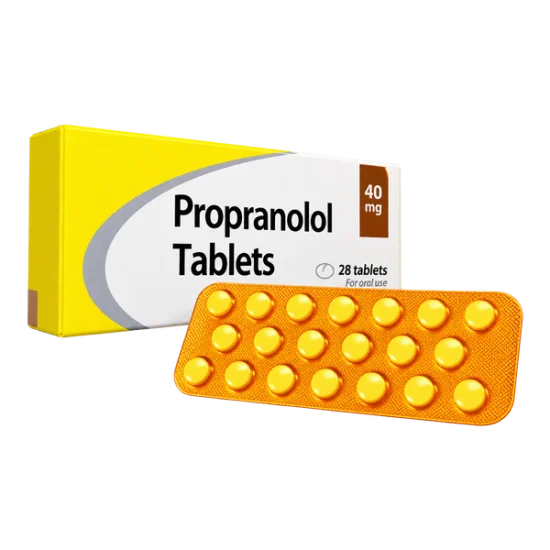
For this product, the oral form is a tablet. Dosing differs between strengths and between users, so there is no single amount that suits everyone. The product card identifies a pack of 28 tablets.
Mechanism of action
Propranolol blocks beta-1 receptors in the heart. This lowers the rate at which the heart beats and reduces the force of contraction. It also slows electrical conduction through the atrioventricular node, which can help control some fast heart rhythms.
Blocking beta-2 receptors contributes to effects outside the heart. This non-selective action explains why Propranolol requires caution in people with asthma or a history of bronchospasm. The MHRA product information describes these cardiovascular effects and the need for gradual dose changes rather than abrupt withdrawal [1].
Therapeutic indications
Propranolol is used across several areas of medicine. The exact regimen depends on the condition, the person’s pulse and blood pressure, kidney and liver function, and other medicines.
Common clinical uses include:
- High blood pressure, often as part of a wider treatment plan.
- Certain tachyarrhythmias, where the heart beats too quickly.
- Control of physical symptoms linked with anxiety, such as tremor and palpitations.
- Prevention of migraine attacks.
- Symptoms associated with overactive thyroid activity, including a fast pulse and shaking.
- Some forms of angina and other cardiovascular conditions where reducing cardiac workload is appropriate.
Migraine prevention is different from treating an attack that has already started. Propranolol is taken regularly for prevention, not as an immediate painkiller. For performance anxiety, clinicians may use it for selected situations where tremor, rapid heartbeat, or voice shaking are the main problems. It does not treat distressing thoughts in the same way as a psychological therapy or an antidepressant.
Cardiovascular applications in clinical practice
Steady dosing can reduce fluctuations in heart rate and sympathetic stimulation. For arrhythmias, the goal is often a controlled pulse rather than a pulse that becomes unusually slow. Blood pressure response is assessed alongside symptoms, since a person may feel light-headed before a reading becomes markedly abnormal.
Patients with heart failure may receive beta blockers under specialist titration, but the starting approach differs from treatment for situational symptoms. A dose suitable for one indication cannot be transferred automatically to another.
Neurological and somatic applications
Propranolol can reduce the physical surge that accompanies acute stress. It may lessen hand tremor, a pounding heartbeat, and visible shaking before a presentation or examination. The medicine does not remove the psychological cause of anxiety, and it does not improve concentration by directly stimulating the brain.
Clinical guidance from NICE and the British National Formulary places emphasis on matching the beta blocker to the diagnosis, cardiovascular status, and breathing history [2].

Common mistakes
Several errors can reduce benefit or create avoidable risk:
- Stopping regular treatment suddenly after feeling better.
- Taking an extra tablet to compensate for a missed dose.
- Using the same regimen for migraine prevention and performance anxiety.
- Assuming a normal resting pulse means the medicine can be discontinued.
- Ignoring wheezing because the medicine was prescribed for a different symptom.
- Measuring exercise intensity only by pulse rate.
- Failing to mention diabetes treatment or inhalers.
- Combining propranolol with another pulse-slowing medicine without a medication review.
- Crushing a tablet without confirming its formulation.
- Expecting the medicine to treat persistent fearful thoughts, low mood, or panic triggers directly.
A common practical problem is taking the tablet only after palpitations have become severe. Propranolol may be less useful when a prescribed preventive schedule is repeatedly missed, and taking repeated catch-up doses can produce dizziness.
Reasons not to use it
The product is generally unsuitable or requires specialist assessment in the following situations:
- Asthma or a history of bronchospasm.
- Severe chronic obstructive airway disease.
- Very slow pulse or low blood pressure.
- Certain heart conduction disorders, including untreated heart block.
- Cardiogenic shock or decompensated heart failure.
- Previous serious allergic reaction to propranolol or an excipient.
- Severe circulation problems in the limbs.
- Untreated phaeochromocytoma without appropriate alpha blockade.
Diabetes, thyroid disease, psoriasis, kidney impairment, liver impairment, pregnancy, and breastfeeding require an individual treatment decision. Propranolol can mask some signs of thyrotoxicosis and hypoglycaemia, which may delay recognition of deterioration.
Drug interactions require a careful review. Verapamil, diltiazem, digoxin, amiodarone, and other medicines that slow cardiac conduction can increase the risk of bradycardia or heart block. Some antidepressants, antiarrhythmics, and medicines affecting liver enzymes can alter propranolol exposure. Non-steroidal anti-inflammatory drugs may reduce the blood-pressure effect of beta blockers in some patients.
The World Health Organization emphasises medication reconciliation when cardiovascular medicines are prescribed alongside treatments for other chronic conditions [4].
When this is not for you
Propranolol may not be for you if you have asthma, a very slow pulse, or another contraindication listed below. Tell the prescriber about inhalers, diabetes treatment, heart-rhythm medicines, migraine medicines, and antidepressants before starting propranolol. The interaction risk depends on the complete combination, not on one medicine viewed alone.
Unwanted effects
Propranolol is often tolerated without major difficulty, but its effects on the cardiovascular system can become excessive. Common or clinically recognised reactions include:
- Tiredness or reduced energy.
- Cold hands and feet.
- Dizziness, especially when standing.
- Sleep disturbance or vivid dreams.
- Nausea or digestive discomfort.
- A slower pulse.
- Reduced exercise tolerance.
- Sexual difficulties in some users.
Fatigue can be mistaken for a worsening medical condition. It may improve after the body adjusts, yet persistent symptoms require a review of dose and treatment purpose. Cold fingers are related to reduced peripheral circulation and may be more noticeable outdoors.
Breathing symptoms deserve special attention. Wheezing, chest tightness, or shortness of breath can indicate bronchospasm, especially in people with asthma or chronic obstructive pulmonary disease. Severe fainting, marked weakness, confusion, or a very slow heartbeat requires urgent medical help.
One practical detail is often missed: beta blockers can reduce the warning signs of low blood glucose, especially a fast heartbeat and tremor. People using insulin or medicines that lower glucose need a clear plan for recognising hypoglycaemia through symptoms such as sweating, confusion, hunger, or unusual weakness.
Alcohol may add to dizziness or poor coordination. Caffeine can increase palpitations in some people, although it does not cancel propranolol’s beta-blocking action. Avoid changing several habits at once if you are trying to identify the cause of new symptoms.
Comparison
Propranolol, Lexapro, and Wellbutrin act through different pharmacological pathways. They should not be treated as interchangeable options for anxiety, depression, or cardiovascular symptoms.
| Treatment | Main pharmacological target | Typical clinical role |
|---|---|---|
| Propranolol | Beta-adrenergic receptors | Physical symptoms such as tremor, palpitations, and tachycardia |
| Lexapro | Selective serotonin reuptake inhibition | Longer-term treatment of depression and several anxiety disorders |
| Wellbutrin | Noradrenaline and dopamine reuptake inhibition | Depression and selected smoking-cessation or specialist uses |
Propranolol can influence physical symptoms within a relatively short period after a dose, while Lexapro usually requires regular treatment over weeks for a sustained mood or anxiety response. Wellbutrin also works through a longer-term central nervous system mechanism and is not a substitute for a beta blocker when the target is a rapid pulse.
A beta blocker may be preferred when the dominant problem is sweating, shaking, or pounding heartbeat in a defined situation. An SSRI may be more appropriate for persistent worry, panic disorder, or depression. Wellbutrin has a different profile and can worsen anxiety or insomnia in some people, so the choice depends on the diagnosis rather than on speed alone.
What doctors say
In clinical practice, doctors usually judge Propranolol by the symptom it is meant to control. A lower pulse may be the intended outcome in tachyarrhythmia, while excessive slowing can indicate that the regimen needs adjustment. For performance anxiety, the response is judged by reduced shaking and palpitations, not by emotional calm alone.
Physicians also look for a mismatch between benefit and burden. If a person feels exhausted but gains little improvement in tremor or pulse, continued treatment may not be useful. A person with asthma who develops wheezing needs a prompt review because non-selective beta blockade can interfere with bronchodilation.
Consistency matters for regular cardiovascular treatment. For occasional anxiety symptoms, the timing and dose must be specifically prescribed; taking extra tablets because a stressful event feels more intense can cause hypotension or bradycardia.
Comparison
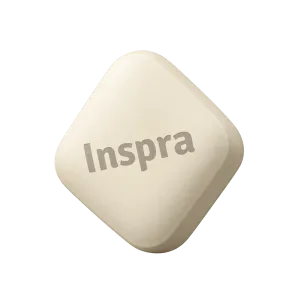
Inspra
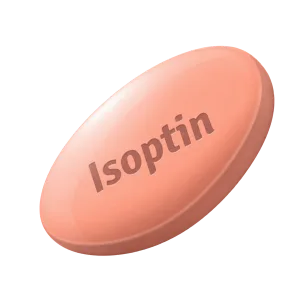
Isoptin
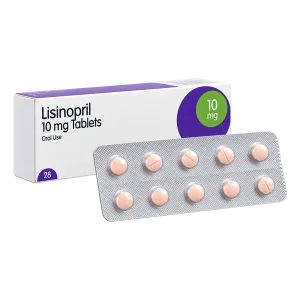
Lisinopril
Micardis
What customers often ask
How does Propranolol differ from Lexapro and Wellbutrin?
Propranolol blocks beta-adrenergic receptors and mainly reduces physical signs of adrenaline, such as tremor and a rapid heartbeat. Lexapro affects serotonin reuptake and is used for longer-term treatment of depression and several anxiety disorders, while Wellbutrin affects noradrenaline and dopamine reuptake. NHS information published in 2025 describes propranolol as a medicine for physical symptoms, whereas antidepressant treatment follows a different therapeutic timetable.
Can Propranolol be used by people under 18?
Use in children and teenagers depends on the diagnosis, body size, cardiovascular assessment, and specialist prescribing judgement. The medicine may be used in paediatric care for selected conditions, but a dose intended for an adult must not be transferred to a young person. The EMA paediatric framework and UK clinical practice in 2025 require age-appropriate assessment, especially when asthma, low blood pressure, or slow pulse is present.
What is the best time of day to take Propranolol?
The best timing depends on whether the tablets are prescribed regularly or for a predictable physical trigger. Regular treatment is usually taken at consistent times, while a situational dose must follow the specific schedule provided by the prescriber. MHRA information reviewed in 2025 supports adjusting timing around dizziness, fatigue, meals, and the activity being treated rather than selecting one universal clock time.
How soon can the effect of Propranolol become noticeable?
A reduction in heart rate or tremor may occur after an individual dose, but the time varies with the indication, dose, circulation, and personal response. Preventive treatment for migraine or sustained cardiovascular control may require regular use before the full benefit can be judged. The British National Formulary guidance used in 2025 distinguishes rapid physical effects from the longer assessment period needed for preventive treatment.
Which diet, exercise, or habits can help or hinder the result?
Taking tablets consistently, keeping hydrated, standing up gradually, and limiting alcohol can reduce avoidable dizziness. Caffeine may aggravate palpitations in some people, while exercise heart-rate targets need adjustment because Propranolol limits the normal pulse rise. WHO cardiovascular guidance available in 2025 supports combining prescribed treatment with measured activity, sleep, and management of other cardiovascular risk factors.
Which symptoms mean stopping and seeking urgent medical help?
Urgent assessment is needed for severe breathing difficulty, wheezing, fainting, chest pain, profound weakness, confusion, or a markedly slow heartbeat. Do not take extra tablets to correct symptoms, and do not abruptly stop long-term treatment unless emergency clinicians instruct you to do so. NHS urgent-care advice current in 2025 treats breathing compromise, collapse, and severe chest symptoms as emergencies requiring immediate medical attention.
Do you offer anonymous delivery?
Your order will be securely packed and shipped within 24 hours. This is exactly what your package will look like (images of an actual item sent). It has the size and look of a regular private letter (24x11x0.7 cm) and its contents cannot be seen.
How Buyers Rate Propranolol
My pulse was steadier after I started taking the tablets regularly. I still had cold fingers and felt slightly light-headed when getting up quickly. My dose was reviewed rather than stopped abruptly, and the dizziness became less troublesome.
Propranolol reduced the pounding sensation in my chest, but it did not resolve the anxious thoughts that came with it. I also noticed less stamina on uphill walks. It helped one part of the problem, although it was not a complete answer.
Sources
- MHRA (2025). Propranolol hydrochloride tablets — Summary of Product Characteristics.
- National Institute for Health and Care Excellence (2025). Generalised anxiety disorder and panic disorder in adults: management.
- U.S. Food and Drug Administration (2010). Inderal LA (propranolol hydrochloride) prescribing information.
- World Health Organization (2023). WHO guideline for the pharmacological treatment of hypertension in adults.