The tightness eased enough for me to walk more normally after the first day. I felt sleepy in the afternoons, so I stopped driving while I was using it.
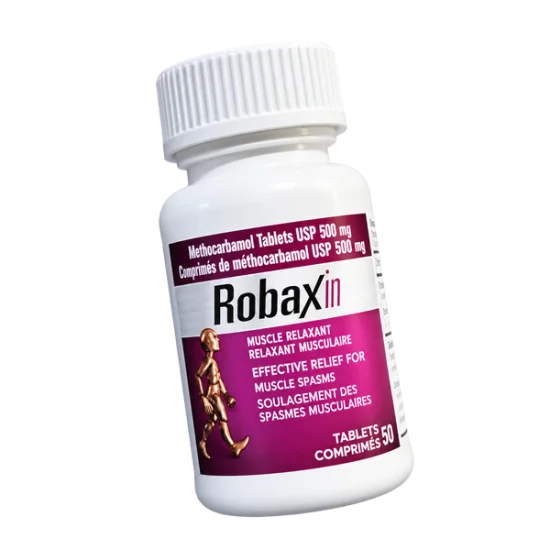
Robaxin
Robaxin contains methocarbamol, a centrally acting muscle relaxant used for adults with acute musculoskeletal pain, painful spasm, or short-term stiffness. How much to use and how often to take it depend on the purpose of treatment and are agreed with a doctor or pharmacist.
Overview
Robaxin contains methocarbamol, a centrally acting skeletal muscle relaxant. Clinicians use methocarbamol for short-term symptomatic relief of acute musculoskeletal pain, muscle spasm, and restricted movement associated with strains or injuries.
Robaxin Drug Class: methocarbamol belongs to the muscle relaxant group. It acts mainly through the central nervous system rather than directly weakening the contractile machinery of skeletal muscle fibres.
The United States prescribing information describes it as a centrally acting skeletal muscle relaxant used alongside rest and other measures for acute painful musculoskeletal conditions [1].
Directions for use
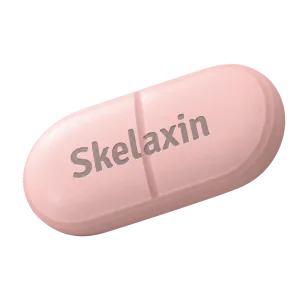
Robaxin is supplied as oral tablets. Oral methocarbamol is absorbed through the digestive tract and produces a centrally mediated muscle-relaxant effect. The timing and duration of benefit vary with the prescribed schedule, the severity of spasm, other medicines, liver function, and individual sensitivity.
How much to use and how often to take it depend on the purpose of treatment and are agreed with a doctor or pharmacist. Do not increase the number of tablets because the first dose feels slow to work.
Administration points include:
- Swallow the tablet with water at the prescribed interval.
- Use the treatment only for the period specified by the prescriber.
- Avoid taking extra tablets to compensate for a missed dose.
- If a dose is missed, take it when remembered unless the next scheduled dose is near; do not double the next dose.
- Do not combine it with alcohol while assessing its effects.
- Do not drive or operate machinery if drowsiness, dizziness, blurred vision, or slowed reactions occur.
There is no reliable clinical reason to crush or chew a tablet unless a prescriber or pharmacist has specifically confirmed that this is suitable. Altering a tablet can make swallowing difficult and may lead to an inaccurate dose.
Formulation
Robaxin contains methocarbamol, a centrally acting skeletal muscle relaxant. It acts mainly through the central nervous system and is used for short-term symptomatic relief of acute musculoskeletal pain, muscle spasm, and restricted movement.
Mechanism of action
Methocarbamol works by reducing excessive nerve activity in the central nervous system. This calming effect can interrupt the cycle in which pain causes muscle guarding, muscle guarding restricts movement, and restricted movement increases discomfort.
The exact molecular mechanism has not been fully established. Clinical pharmacology references describe methocarbamol as producing general central nervous system depression rather than directly blocking transmission at the neuromuscular junction. This explains why Robaxin may ease spasm without acting as a local anaesthetic or directly changing skeletal muscle contraction [2].
Central Nervous System Interaction
Robaxin provides symptomatic relief by acting on the central nervous system. It does not selectively block a single nerve supplying one muscle, and it does not remove the original cause of a sprain, strain, or back spasm.
In practical terms, the medicine may make movement more comfortable while the injury recovers. A person may still need activity modification, physiotherapy, stretching prescribed for the injury, or treatment of an underlying joint or spinal condition.
The response varies between individuals. Some people mainly notice less stiffness, while others first notice sedation or a heavy feeling before the muscle symptoms improve.
Therapeutic indications
Doctors may use methocarbamol for acute musculoskeletal conditions involving painful muscle spasm, stiffness, and reduced mobility. The medicine is generally used for a limited period rather than as a long-term treatment for unexplained pain.
Typical clinical situations include:
- Acute lower-back spasm after a strain.
- Neck or shoulder muscle tension following an awkward movement.
- Painful muscle guarding after a minor soft-tissue injury.
- Stiffness that makes ordinary movement difficult.
- Acute musculoskeletal pain where muscle spasm contributes to the symptoms.
The British National Formulary and regulatory product information place muscle relaxants within a wider treatment plan, rather than presenting them as a substitute for diagnosis or rehabilitation. Robaxin may reduce muscle spasm, but it does not treat fracture, infection, nerve compression, inflammatory arthritis, or serious spinal disease.
Acute pain accompanied by limb weakness, loss of bladder or bowel control, numbness around the genitals, fever, or unexplained weight loss requires urgent clinical assessment instead of self-directed muscle-relaxant use.
Common mistakes
Several practical errors can reduce benefit or increase harm:
- Taking an extra tablet because relief has not appeared quickly.
- Drinking alcohol while testing the medicine’s effects.
- Driving after feeling only mildly sleepy.
- Combining Robaxin with a sedating antihistamine or opioid without checking the combined effect.
- Continuing strenuous exercise because the pain feels temporarily reduced.
- Stopping and restarting irregularly without discussing the treatment plan.
- Assuming that every back spasm is harmless, even when weakness, fever, or bladder symptoms are present.
- Forgetting to mention liver disease, kidney disease, pregnancy, or previous medicine reactions.
A common real-world problem is judging the medicine by sedation alone. Feeling sleepy does not prove that the painful muscle has recovered. It may indicate that the dose or combination needs review.
Reasons not to use it
Robaxin is not suitable for everyone. This medication is not for you if you have had a serious allergic reaction to methocarbamol or any tablet ingredient.
Extra caution or a different treatment plan may be needed with:
- Significant liver or kidney impairment.
- A history of severe reactions to medicines.
- Epilepsy or a condition in which reduced alertness could create danger.
- Frailty, recurrent falls, or substantial daytime sleepiness.
- Use of opioids, sleeping tablets, sedative antihistamines, benzodiazepines, or other central nervous system depressants.
- Pregnancy or breastfeeding.
- Work involving driving, heights, moving machinery, or hazardous tools.
When this is not for you
This medicine may not be right for you if you have had a serious reaction to methocarbamol, have significant liver or kidney problems, are pregnant or breastfeeding, or already take medicines that make you sleepy. You should also speak with a prescriber before using it if you are prone to falls, have epilepsy, or your work involves driving, heights, machinery, or hazardous tools.
Pregnancy decisions require an individual risk assessment because available human data are limited. Methocarbamol should be used during pregnancy only when a prescriber considers the expected benefit to justify potential risk. Breastfeeding also needs specific advice because transfer into milk and effects on a nursing infant must be considered. The MHRA emphasises medication review during pregnancy and lactation, especially when more than one sedating medicine is involved.
Unwanted effects
Methocarbamol can cause central nervous system effects because its action is not limited to the painful muscle. Common or recognised reactions include drowsiness, dizziness, headache, blurred vision, nausea, vomiting, stomach discomfort, and reduced coordination.
These effects may be more noticeable after the first doses or after an increase in the prescribed amount. Older adults can be more vulnerable to falls, confusion, and excessive sedation. People with demanding manual work may notice slower reactions before they notice a clear improvement in spasm.
Less common but clinically important reactions include:
- Fainting or marked light-headedness.
- Severe confusion or unusual agitation.
- Difficulty breathing.
- Swelling of the lips, tongue, or throat.
- Widespread rash, blistering, or peeling skin.
- Yellowing of the skin or eyes.
- Seizure-like activity.
Stop using the medicine and seek urgent medical care for breathing difficulty, facial or throat swelling, collapse, severe allergic symptoms, or a rapidly spreading blistering rash. A doctor should assess persistent vomiting, severe dizziness, or confusion.
One easily missed issue is additive sedation. A person may feel only mildly sleepy after Robaxin alone, then become unsteady after combining it with alcohol, an opioid painkiller, a sleeping tablet, or a sedating antihistamine.

Comparison
Treatment choice depends on whether the problem is acute muscle spasm, nerve-related spasticity, inflammation, or a structural injury. A comparison by mechanism is more useful than choosing solely by perceived strength.
| Treatment approach | Typical clinical role | Main limitation |
|---|---|---|
| Methocarbamol | Short-term central muscle relaxation for acute painful spasm | Drowsiness, dizziness, and impaired concentration |
| Baclofen | Spasticity linked with neurological conditions | Weakness, sedation, and withdrawal concerns after regular use |
| Non-drug and analgesic approaches | Pain control, movement restoration, and recovery support | May not provide enough relief when severe spasm dominates |
Baclofen is usually associated with neurological spasticity, such as increased muscle tone after damage to the brain or spinal cord. Robaxin is more closely associated with acute painful musculoskeletal spasm. The two medicines are not interchangeable, and combining centrally acting muscle relaxants can increase sedation.
For straightforward acute back pain, NICE guidance places emphasis on assessment, remaining as active as possible, and selecting treatment according to the clinical picture rather than relying on a muscle relaxant alone. A medicine may be reasonable for a defined episode, but persistent pain needs reassessment.
What doctors say
In clinical practice, doctors usually set a short treatment window for methocarbamol and review whether movement, sleep, and pain-related muscle guarding are improving. The desired result is better function with tolerable side effects, not complete numbness or heavy sedation.
A prescriber will often ask whether the pain began after a recognisable strain, whether there is weakness or altered sensation, and whether symptoms are improving. Those details help distinguish uncomplicated muscle spasm from nerve compression, fracture, infection, or another condition requiring different care.
Doctors also pay attention to the patient’s daily environment. A person who drives for work, supervises children, works on scaffolding, or uses cutting equipment may need a different schedule or temporary restrictions while taking a sedating medicine. They also require advice about avoiding alcohol and other sedatives. This review helps align treatment with daily safety risks.
The WHO Anatomical Therapeutic Chemical system places methocarbamol among centrally acting muscle relaxants. That classification reflects its pharmacology, not a guarantee that it will suit every form of back or neck pain.
Comparison
What customers often ask
What should I do if the expected result does not come?
Do not increase the dose without medical direction. Methocarbamol is intended to reduce symptoms, and persistent pain may indicate a different diagnosis or a need for physiotherapy and reassessment. NICE guidance updated in 2020 recommends reviewing ongoing back pain when symptoms fail to improve rather than relying indefinitely on medicines. Contact the prescribing clinician if spasm remains severe, worsens, or is accompanied by weakness, numbness, fever, or bladder symptoms.
Which symptoms mean stopping Robaxin and seeking urgent medical help?
Breathing difficulty, swelling of the face or throat, collapse, severe confusion, or a rapidly spreading blistering rash require urgent medical attention. Severe dizziness with fainting or inability to stay awake also needs immediate assessment. The MHRA’s general medicine-safety guidance, updated in 2023, supports urgent action for signs of serious allergic reactions or severe neurological impairment. Do not take another dose until a clinician has assessed a serious suspected reaction.
Can Robaxin be used during pregnancy or breastfeeding?
Pregnancy and breastfeeding require an individual decision based on the clinical need and available alternatives. Methocarbamol should be used during pregnancy only when a prescriber judges that the expected benefit outweighs potential risk. The NHS and MHRA advise in 2023 guidance reviewing medicines during pregnancy and lactation because sedating drugs may affect the parent or infant. Obtain a specific treatment decision before starting Robaxin in either situation.
Which condition rules out Robaxin completely?
A previous serious allergic reaction to methocarbamol rules out further use. Symptoms such as facial swelling, breathing difficulty, widespread hives, or collapse after a previous dose are emergency warning signs. FDA prescribing information from 2019 identifies hypersensitivity as a contraindication to methocarbamol treatment. A history of another unrelated allergy does not automatically rule it out, but it should be reported before treatment.
Can I drive, concentrate, or work with machinery while using Robaxin?
Robaxin can impair alertness, coordination, vision, or reaction time. Do not drive, cycle in traffic, work at height, or operate machinery until you know that the tablets do not affect these abilities. The UK Highway Code and MHRA safety principles updated in 2023 treat impaired driving from medicines as a serious risk. Alcohol and other sedatives can make this impairment stronger and less predictable.
Can I drink alcohol while using Robaxin?
Avoid alcohol while taking Robaxin because both substances can depress the central nervous system. The combination may cause excessive sleepiness, poor coordination, confusion, vomiting, or slowed breathing, especially with opioids or sleeping tablets. WHO medicine-safety principles published in 2023 support avoiding combinations that add central nervous system depression. Wait until the treatment has ended and alertness has returned before drinking.
Do you offer anonymous delivery?
Your order will be securely packed and shipped within 24 hours. This is exactly what your package will look like (images of an actual item sent). It has the size and look of a regular private letter (24x11x0.7 cm) and its contents cannot be seen.
How Buyers Rate Robaxin
The stiffness was less troublesome by the second day. It did not remove the pain completely, and I had a dry mouth and some dizziness after the evening tablet.
It helped me sleep when the muscle kept tightening. I felt slowed down the next morning, so the treatment was not convenient before an early shift.
Sources
- U.S. Food and Drug Administration (2019). Robaxin (methocarbamol) Prescribing Information.
- World Health Organization Collaborating Centre for Drug Statistics Methodology (2025). ATC/DDD Index: Methocarbamol.