The readings became steadier after the first few weeks. I felt tired after morning walks at first, and my hands were colder than usual, but that settled enough for me to continue.
Tenormin
By slowing the heart rate and reducing the force of contraction, Tenormin helps lower blood pressure and the heart’s demand for oxygen. Its active ingredient, atenolol, is prescribed for adults with hypertension, angina, selected rhythm problems, and some cardiac conditions after a heart attack.
Overview
Tenormin is the brand name for atenolol, a cardioselective beta1-blocker. The regimen for the chosen strength must be confirmed with a healthcare professional before starting. Atenolol reduces stimulation of beta1 receptors in the heart, which can slow the pulse, lower blood pressure, and reduce myocardial oxygen demand.
Tenormin is a prescription-only treatment.
Directions for use
Tenormin tablets are taken by mouth. The regimen for the chosen strength must be confirmed with a healthcare professional before starting because atenolol dosing depends on the indication and kidney function.
Key administration points include:
- Take the tablet at the same time each day if a regular daily regimen has been prescribed.
- Swallow it with water.
- Do not change the dose because a home blood-pressure reading is higher or lower than usual.
- Do not stop atenolol suddenly unless a clinician gives a specific stopping plan.
- If a dose is missed, take it when remembered unless the next scheduled dose is close; do not double the dose.
- People with reduced kidney function may require a lower dose or a longer interval between doses.
- A pulse and blood-pressure review may be needed after starting treatment or changing the regimen.
Atenolol can be taken with or without food, but taking it consistently in relation to meals helps avoid day-to-day variation. Aluminium- or magnesium-containing antacids may reduce absorption if taken too close to atenolol, so the timing should be confirmed with a pharmacist or prescriber. Regulatory dosing information supports individual adjustment, especially in renal impairment [2].
Formulation
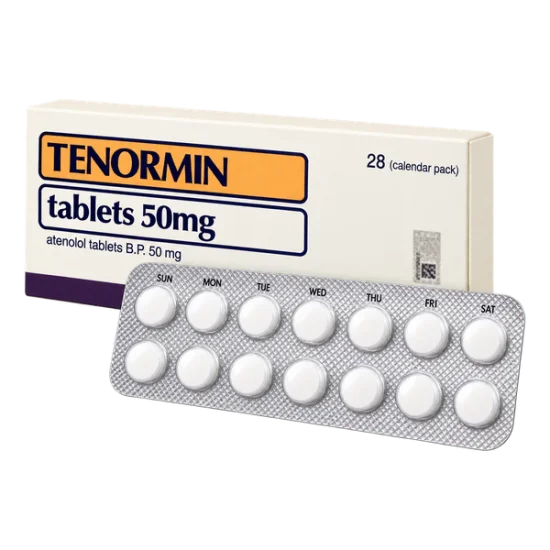
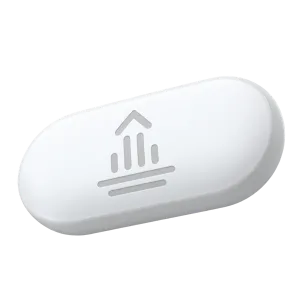
Tenormin tablets contain the active ingredient atenolol. The pack is marked “TENORMIN” and identifies the product as atenolol tablets B.P.
Mechanism of action
Atenolol blocks beta1-adrenergic receptors found mainly in cardiac tissue. These receptors normally respond to adrenaline and noradrenaline, increasing heart rate, contraction strength, and electrical conduction. Blocking them reduces sympathetic stimulation of the heart.
The result is a slower pulse and less forceful contraction. Blood pressure may fall because cardiac output decreases, while the heart requires less oxygen during exertion. This mechanism explains why atenolol can help both hypertension and stable angina.
Atenolol is more selective for beta1 receptors than non-selective beta-blockers, but the selectivity is not absolute. At higher concentrations, it may also affect beta2 receptors in the airways. People with asthma or a history of bronchospasm therefore need a careful clinical assessment before treatment. The pharmacology of atenolol and its cardiovascular uses are described in regulatory prescribing information [1].
Therapeutic indications
Cardiovascular applications
Atenolol may be prescribed for:
- High blood pressure, also called hypertension.
- Stable angina pectoris, where reduced heart workload can lessen exertional chest discomfort.
- Certain fast heart rhythms or palpitations.
- Secondary prevention after a myocardial infarction when beta-blocker treatment is clinically appropriate.
- Selected cases of symptomatic tachycardia under medical supervision.
Atenolol is not suitable for every type of chest pain or rhythm disturbance. Chest pain at rest, sudden breathlessness, fainting, or a new irregular heartbeat needs urgent medical assessment rather than self-adjustment of Tenormin.
Common mistakes
Several everyday errors can reduce the benefit of Tenormin or create avoidable symptoms:
- Stopping treatment suddenly because blood pressure has improved.
- Taking an extra tablet after a high home reading.
- Doubling the next dose after forgetting one.
- Ignoring a persistently slow pulse or repeated dizziness.
- Assuming cardioselectivity makes atenolol suitable for every person with asthma.
- Hiding non-prescription medicines, antacids, or supplements during a medication review.
- Using a target exercise pulse designed for someone who does not take a beta-blocker.
- Treating new chest pain with an extra Tenormin tablet instead of seeking urgent assessment.
- Failing to mention kidney disease when the dose is reviewed.
- Measuring blood pressure immediately after exercise, caffeine, nicotine, or emotional stress and changing treatment based on that single result.
A common practical misunderstanding is that a missed dose should be “made up” later. Extra atenolol can produce excessive bradycardia or low blood pressure, so the missed-dose plan should be followed without doubling.
Reasons not to use it
Atenolol should not be used in people with:
- Severe bradycardia, meaning an abnormally slow heart rate.
- Cardiogenic shock.
- Overt or uncontrolled heart failure.
- Second- or third-degree heart block without appropriate pacing.
- Sick sinus syndrome without suitable pacing.
- Significant hypotension.
- A known serious allergy to atenolol or an excipient in the tablet.
Extra caution is needed with asthma, chronic obstructive pulmonary disease, peripheral circulation problems, diabetes, thyroid disease, psoriasis, and a history of severe allergic reactions. Atenolol is cleared mainly through the kidneys. Reduced renal function can increase exposure and may require a different regimen. Pregnancy and breastfeeding also require an individual risk assessment because treatment decisions depend on the maternal cardiovascular condition and the infant’s circumstances.
Abrupt withdrawal can worsen angina and may increase the risk of serious cardiac complications in people with coronary disease. A gradual reduction is normally planned when discontinuation is appropriate.
When this is not for you
Tenormin is not for you if a clinician has identified a listed contraindication or considers its risks greater than its benefits.
A clinical assessment should cover pulse rate, blood pressure, heart rhythm, breathing history, kidney function, and other medicines. People with asthma or a history of bronchospasm need careful assessment before treatment. Pregnancy and breastfeeding require an individual discussion with a clinician.
Unwanted effects
Atenolol is often tolerated well when the dose matches the patient’s cardiovascular response. Its therapeutic benefits come with predictable physiological trade-offs: a slower pulse, reduced exercise response, and less sympathetic stimulation can also cause tiredness, cold hands, or light-headedness.
Common or clinically recognised effects include:
- Fatigue or reduced energy.
- Dizziness, especially when standing up quickly.
- Cold fingers or toes.
- A slower pulse.
- Headache.
- Sleep disturbance or vivid dreams.
- Nausea or other mild digestive symptoms.
- Reduced exercise tolerance.
These effects may improve after the body adapts, but persistent symptoms deserve review. A person who feels faint, confused, unusually breathless, or unable to perform normal activities needs prompt medical advice.
Serious reactions are less common but require urgent attention:
- Wheezing, chest tightness, or worsening bronchospasm.
- Fainting or a very slow heartbeat.
- New or worsening swelling and breathlessness that may indicate heart failure.
- A severe allergic reaction with facial swelling, widespread rash, or difficulty breathing.
- A marked fall in blood pressure with weakness or collapse.
Atenolol may conceal some warning signs of low blood glucose, especially a fast heartbeat. Sweating and hunger can still occur, so people using insulin or other glucose-lowering treatment need an individual monitoring plan. The FDA prescribing information describes the adverse-effect profile and the need for caution in heart failure, airway disease, and diabetes [3].
One practical detail is easy to miss: atenolol can make exercise feel harder because the pulse does not rise as quickly. Fitness targets based only on heart-rate zones may become misleading, so exertion, breathing, and symptoms matter more than reaching a particular pulse number.

Comparison
Atenolol is the active substance in Tenormin and in generic atenolol tablets. Products containing the same active ingredient and strength may be therapeutically equivalent when they meet the relevant regulatory quality requirements, but their tablet appearance and inactive ingredients can differ.
| Treatment category | Main pharmacological feature | Common limitation |
|---|---|---|
| Atenolol tablets | Beta1-blockade with reduced heart rate and cardiac workload | Renal impairment may require regimen adjustment; fatigue and cold extremities can occur. |
| Other cardioselective beta-blockers | Similar reduction in sympathetic cardiac stimulation | Active substances differ in duration, metabolism, dosing schedules, and clinical uses. |
| Non-beta-blocker blood-pressure treatment | Lowers blood pressure through a different mechanism | May not provide the same heart-rate control or angina benefit. |
The closest comparison should be made by active substance and clinical purpose, not by tablet appearance. A change from atenolol to another beta-blocker is not a simple milligram-for-milligram substitution. The prescriber may need to consider heart rate, blood pressure, kidney function, asthma risk, exercise tolerance, and the reason for treatment.
NICE guidance places medication choice within the patient’s cardiovascular profile, comorbidities, and response to treatment [4]. Tenormin may be useful when heart-rate reduction is part of the treatment goal, but its lower pulse response can be inconvenient for some physically active people.
What doctors say
In clinical practice, doctors often judge atenolol by symptoms, pulse, blood pressure, exercise tolerance, and the original reason for prescribing it. A lower pulse is expected, but an excessively slow pulse with dizziness or faintness indicates that the regimen needs review.
A physician will usually ask whether fatigue appeared after starting treatment, whether chest discomfort has changed, and whether the patient has missed doses. The answer is more informative than a single isolated blood-pressure result.
Atenolol can be a practical option when once-daily administration is appropriate. Its limitations include reduced exercise response, possible bronchospasm in susceptible people, and the need for renal consideration. Treatment decisions should follow the clinical assessment used by the MHRA, NICE, and other national prescribing systems.
The strongest results usually come from taking the prescribed regimen consistently while continuing recommended blood-pressure checks, physical activity, dietary measures, and smoking cessation support. Atenolol controls cardiovascular stimulation; it does not remove every cause of hypertension or angina.
Comparison
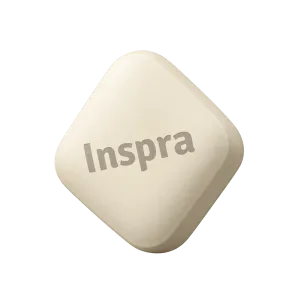
Inspra
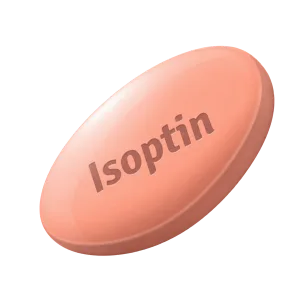
Isoptin
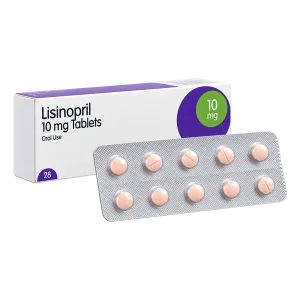
Lisinopril
Micardis
What customers often ask
What should I do if the expected result does not come?
Atenolol may not produce an immediate change that can be felt, especially when prescribed for hypertension. A treatment review in 2024 using MHRA principles should consider home readings, pulse, symptoms, adherence, kidney function, and the original diagnosis rather than relying on one measurement. Do not increase Tenormin independently. Persistent chest pain, fainting, or severe breathlessness requires urgent assessment.
Can I drink alcohol while using Tenormin?
Alcohol can add to atenolol-related dizziness and low blood pressure, especially during treatment initiation or after a dose change. NHS information published in 2023 advises caution because alcohol may make some people feel faint or light-headed with blood-pressure medicines. If drinking causes unsteadiness, weakness, or near-fainting, avoid further alcohol and seek clinical advice. Alcohol should never be used to judge whether the dose is working.
How does Tenormin differ from other beta-blockers?
Tenormin contains atenolol, which is a beta1-selective blocker with substantial renal elimination. Other beta-blockers may differ in lipid solubility, duration, liver metabolism, effects on the airways, and evidence for particular heart conditions. EMA guidance published in 2019 supports comparing these medicines by active substance and clinical indication rather than treating them as interchangeable milligram for milligram. A switch requires a new regimen.
Can Tenormin affect driving, concentration, or machinery work?
Dizziness, fatigue, blurred vision, or a slower reaction to standing can affect driving and machinery work, especially when treatment begins or changes. The UK Highway Code and MHRA safety principles published in 2023 support avoiding these activities until the individual response is clear. Some people experience no concentration problem, while others feel unusually tired. Do not drive if dizziness, faintness, or impaired alertness is present.
Does Tenormin cause cold hands or feet?
Cold extremities are a recognised beta-blocker effect because reduced sympathetic stimulation can alter peripheral blood flow. The NHS describes cold fingers and toes among possible atenolol effects in its 2023 medicine information. Mild symptoms may be manageable, but painful colour change, numbness, ulcers, or worsening circulation symptoms need medical review. Do not stop atenolol suddenly to correct this problem.
What should I do after a missed Tenormin dose?
Take the missed tablet when remembered unless the next scheduled dose is close. If the next dose is due soon, skip the missed dose and resume the normal schedule. The FDA prescribing framework in 2022 supports avoiding a double dose because excess atenolol can cause slow heart rate, dizziness, or low blood pressure. Repeated missed doses should be discussed during the next medication review.
Do you offer anonymous delivery?
Your order will be securely packed and shipped within 24 hours. This is exactly what your package will look like (images of an actual item sent). It has the size and look of a regular private letter (24x11x0.7 cm) and its contents cannot be seen.
How Buyers Rate Tenormin
The pounding episodes became less frequent during the first month. My pulse felt slower, which was expected, although I disliked the reduced exercise capacity when climbing hills.
The first days brought light-headedness when I stood up quickly. The dose was reviewed rather than stopped abruptly, and the problem improved, but I still needed to pay attention to hydration and standing slowly.
Sources
- U.S. Food and Drug Administration (2022). TENORMIN (atenolol) tablets: prescribing information.
- Electronic Medicines Compendium (2024). Atenolol 50 mg Tablets: Summary of Product Characteristics.
- NHS (2023). Atenolol.
- National Institute for Health and Care Excellence (2019). Hypertension in adults: diagnosis and management (NG136).