Skip to content
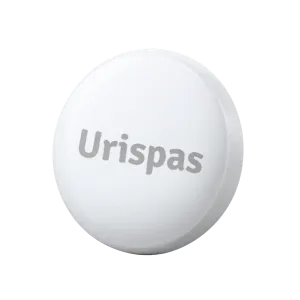
Urispas

Urispas

Quality products
24/7 Support
Fast delivery
Delivery from 4 days
Active ingredient Flavoxate

Free delivery on orders from £ 166.00, free express delivery from £ 249.00

Urispas tablets relax overactive bladder smooth muscle, easing spasms while the underlying cause is assessed and treated where needed. Urispas is used for symptoms arising from irritation of the lower urinary tract.

Overview

Flavoxate, the active ingredient of Urispas, is a urinary tract antispasmodic used for adults with urgency, frequent urination, painful urination, and bladder discomfort linked to urinary tract irritation.

Directions for use

  • Route: Take Urispas tablets orally by swallowing them with water.
  • Dose: The exact amount per intake is individually prescribed; no fixed dose in mg is provided here.
  • Frequency: Follow the individually prescribed number of times per day; no fixed frequency is provided here.
  • Timing: Take doses according to the prescribed schedule; specific timing in relation to meals or time of day is not provided here.
  • Duration: Use for the prescribed duration while the underlying cause of urinary tract symptoms is assessed and treated where needed.
  • Missed dose: Take it when remembered unless the next planned dose is close; then skip the missed dose and resume the regular schedule. Do not take two doses together.

Formulation

The active ingredient in Urispas is flavoxate. It is a urinary tract antispasmodic that relaxes overactive bladder smooth muscle and helps relieve bladder spasms and irritation.

Mechanism of action

Flavoxate hydrochloride works mainly through a direct relaxing effect on smooth muscle in the urinary tract. Smooth muscle is the involuntary muscle that forms the bladder wall and helps control the flow of urine. When that muscle contracts too readily, urgency and cramping can follow.

Flavoxate has antispasmodic activity and some anticholinergic-like effects. Acetylcholine is a nerve messenger that can stimulate bladder contraction. By reducing excessive contractile activity, Urispas can lessen the uncomfortable sensation of bladder pressure and the need to rush to the toilet. It is intended for symptom control rather than for treating the infection, stone, obstruction, or neurological condition that may be driving those symptoms.

Clinical evidence for flavoxate is older and less extensive than the evidence base for newer overactive-bladder treatments. A systematic review indexed by PubMed found that evidence for antispasmodics in lower urinary tract symptoms varied in quality, so response should be judged by practical changes in urgency, frequency and discomfort rather than assumptions [2].

Smooth muscle relaxation in the bladder

The bladder normally fills at low pressure, then contracts when it is appropriate to empty. Irritation can disrupt this cycle and create contractions at inconvenient times. Urispas aims to calm this excess activity.

Therapeutic indications

Urispas is used for symptoms arising from irritation of the lower urinary tract. These may include a sudden need to pass urine, frequent small-volume urination, bladder pressure, waking at night to urinate, and dysuria, meaning pain or burning during urination.

It can be used alongside treatment directed at the cause of symptoms, including a urinary tract infection (UTI). Urispas relieves bladder spasm and irritation; it does not eliminate bacteria causing a UTI. Persistent fever, flank pain, vomiting, visible blood in urine, or feeling acutely unwell needs prompt medical assessment. The FDA prescribing information for flavoxate describes its role as symptomatic relief for urinary tract irritation, including urgency, dysuria and suprapubic pain [1].

Primary therapeutic indications

Urispas may be prescribed for urinary symptoms associated with:

  • bladder spasm or involuntary bladder contractions;
  • urgency and increased daytime frequency;
  • nocturia, meaning waking at night to pass urine;
  • painful urination caused by lower urinary tract irritation;
  • discomfort after urological procedures where bladder irritation is expected;
  • symptoms accompanying a UTI while treatment targets the infection itself.

A bladder spasm can feel like a sudden cramp low in the abdomen. It may create urgency even when there is little urine in the bladder.

Practical tip: Keep a simple record of fluid intake, toilet visits, urgency episodes and night-time waking for several days. It gives the prescriber a clearer picture than memory alone.

Common mistakes

A common mistake is treating Urispas as though it cures a UTI. It can reduce discomfort while antibiotics or another targeted treatment address the cause, but it does not replace infection treatment.

Another problem is reducing fluids sharply to avoid toilet trips. Very concentrated urine can irritate the bladder further and may intensify burning.

Some people take a missed tablet with the next scheduled dose. Doubling up raises the chance of side effects without reliably improving symptom control.

Ignoring a weaker urine stream is also risky. Difficulty starting urination, a poor flow, lower abdominal swelling, or complete inability to pass urine requires urgent assessment rather than another tablet.

Reasons not to use it

Urispas should not be used in people with pyloric or duodenal obstruction, gastrointestinal bleeding, or obstructive uropathy such as urinary retention caused by a physical blockage. Its muscle-relaxing and anticholinergic-like effects can worsen retention or delay recognition of a serious abdominal problem.

Extra caution is needed with narrow-angle glaucoma, enlarged prostate with difficulty passing urine, severe constipation, reduced bowel motility, and conditions where confusion or falls are already a concern. Older adults may be more sensitive to blurred vision, dizziness and constipation.

When this is not for you

This is NOT for you if you have a known allergy to flavoxate or have a blockage that prevents normal passage through the stomach, intestines, or urinary tract.

Practical tip: Tell the prescriber if you have ever needed a catheter because you could not pass urine. That detail changes the safety assessment for bladder-relaxing treatments.

Unwanted effects

Most adverse effects of flavoxate relate to its anticholinergic-like activity or its effect on alertness. Dry mouth, nausea, blurred vision, dizziness, headache, drowsiness and nervousness have been reported. These effects may be more troublesome at the start of treatment or after a dose change.

Blurred vision deserves attention. It may make reading, using stairs, or judging distance while driving harder than expected. Drowsiness can also be subtle: some people feel normal while sitting down but become less alert during a long journey or late-afternoon work. Alcohol can intensify this effect.

Seek urgent medical help for facial swelling, wheezing, a widespread rash, fainting, severe confusion, inability to pass urine, or sudden eye pain with visual halos. Sudden eye pain and halos can signal acute angle-closure glaucoma, which needs urgent treatment. The European Medicines Agency’s pharmacovigilance guidance supports prompt reporting and assessment of suspected serious adverse reactions [3].

Practical tip: Avoid driving, cycling in traffic, or using machinery until you know whether Urispas affects your vision or alertness. A dry mouth can often be eased with regular sips of water or sugar-free gum.

Comparison

Smooth muscle relaxation in the bladder

Approach Main action Typical role
Flavoxate in Urispas Relaxes urinary tract smooth muscle Bladder spasm, urgency and painful urinary irritation
Antimuscarinic treatment Reduces nerve-driven bladder contractions Established overactive bladder symptoms
Beta-3 agonist treatment Helps the bladder relax during filling Overactive bladder when antimuscarinic effects are unsuitable

Antimuscarinics and beta-3 agonists are often considered when symptoms reflect ongoing overactive bladder rather than a short-lived irritation. Flavoxate may be useful where spasm and discomfort are prominent, though dry mouth, blurred vision and drowsiness can limit tolerability.

What doctors say

In clinical practice, doctors look for the pattern behind urinary symptoms before relying on an antispasmodic alone. Sudden urgency with burning may point towards infection. Urgency with leakage and no pain may fit overactive bladder. Weak stream, hesitancy and incomplete emptying raise concern for obstruction or retention.

A useful treatment response is practical: fewer urgent trips, less pain on passing urine, and better sleep. A poor response is also useful information. It can signal that bladder spasm is not the main driver of symptoms.

Doctors also watch for anticholinergic burden. This means the combined effect of several medicines that can cause dry mouth, constipation, blurred vision, confusion or urinary retention.

Comparison

Comparison table: Overactive Bladder

What customers often ask

Which diet, exercise and daily habits affect Urispas results?

Caffeine, alcohol, fizzy drinks and very concentrated urine can aggravate urgency and bladder discomfort. Regular fluids spaced through the day are usually more comfortable than large drinks taken quickly. Constipation can place pressure on the bladder, so fibre, movement and adequate fluid intake may help. NICE guidance published in 2019 includes bladder training and lifestyle measures as part of urinary symptom management. A symptom diary can help show whether these changes are making a difference.

Can Urispas tablets be split, crushed or chewed?

Urispas tablets should be swallowed whole with water unless a prescriber has given specific alternative instructions. Crushing or chewing can make administration less consistent and may be difficult for people already experiencing dry mouth. The FDA prescribing information for flavoxate focuses on oral tablet administration and individualised use. This advice remains relevant in 2026 for avoiding preventable dosing errors.

What should I do if I miss a Urispas dose?

Take the missed dose when you remember unless it is almost time for the next scheduled dose. Skip it if the next dose is due soon, then continue the normal schedule. Do not take an extra tablet to compensate, since this may increase drowsiness, blurred vision and dry mouth. The MHRA’s 2024 medicines-safety advice supports avoiding double doses unless specific prescriber instructions say otherwise.

Which condition rules out Urispas treatment?

Urinary retention caused by obstructive uropathy rules out Urispas treatment. A person who cannot empty the bladder properly may develop worsening retention if bladder-relaxing or anticholinergic-like effects are added. Symptoms include inability to pass urine, painful lower-abdominal fullness, or only passing drops despite a strong urge. The FDA’s flavoxate prescribing information (2005) identifies obstructive uropathy as a contraindication.

How soon does Urispas become noticeable?

Some people notice less bladder cramping or urgency within the first few days, while others need longer to judge whether the treatment is helping. The response depends on the cause of irritation, coexisting infection, fluid habits and other medicines. Flavoxate should be assessed by changes in symptoms rather than by one isolated dose. A 2020 PubMed-indexed review of lower urinary tract symptom treatments supports measuring meaningful outcomes such as urgency episodes and night-time waking.

Do you offer anonymous delivery?

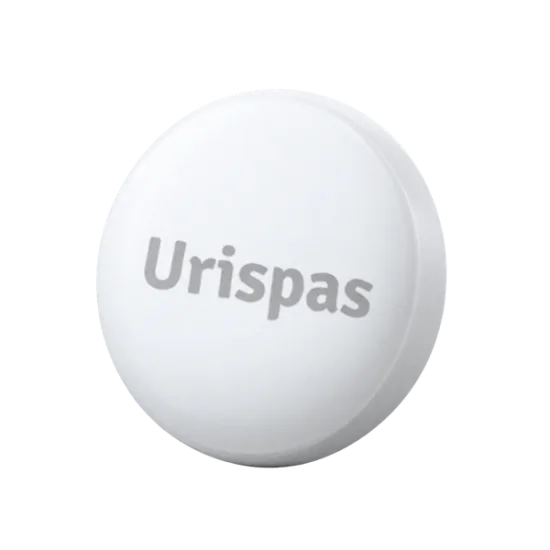
Your order will be securely packed and shipped within 24 hours. This is exactly what your package will look like (images of an actual item sent). It has the size and look of a regular private letter (24x11x0.7 cm) and its contents cannot be seen.

Daily habits and symptom triggers

Certain habits can worsen urgency or bladder irritation even while taking Urispas:

  • reduce alcohol, which may irritate the bladder and increase drowsiness;
  • spread fluids through the day rather than drinking large volumes quickly;
  • avoid becoming dehydrated, as concentrated urine can sting;
  • manage constipation, since a full bowel can aggravate bladder symptoms.
Practical tip: If urgency improves but burning, fever or cloudy urine persists, symptom relief should not delay assessment for infection or another urinary cause.

How Buyers Rate Urispas

4.2
Based on 3 reviews
Gareth, 61
Dundee
After a few days
Verified
Rating: 4.5 out of 5

I used Urispas at my prescribed dose for bladder cramping while a urinary infection was being treated. The urgent trips eased after a few days and I slept through most of the night again. My mouth felt dry in the mornings, so I kept water by the bed.

2 Nov 2026
Luke, 46
Bristol
The first part of the week
Verified
Rating: 4 out of 5

The pressure and stinging settled enough for me to work normally after taking my prescribed dose for the first part of the week. I felt slightly sleepy after an evening dose, which caught me out on a long drive, so I changed my plans and avoided driving until I knew how it affected me.

6 Oct 2026
Liam P., 51
Stoke-on-Trent
After several days
Verified
Rating: 4 out of 5

I took my prescribed dose for frequent urination and the spasms became less sharp, but constipation became annoying after several days. The prescriber reviewed my other medicines because I was already using a sedating antihistamine.

24 Oct 2026

Sources

  1. U.S. Food and Drug Administration (2005). Urispas (flavoxate hydrochloride) tablets: Prescribing Information.
  2. PubMed (2020). Flavoxate — PubMed-indexed literature on lower urinary tract symptoms
  3. European Medicines Agency (2017). Good Pharmacovigilance Practices: Module VI — Management and Reporting of Adverse Reactions to Medicinal Products.
Get our free app Shop faster and track your orders 3.9 · 425 reviews Install