Skip to content
Elidel

Elidel

Quality products
24/7 Support
Fast delivery
Delivery from 4 days
Active ingredient Pimecrolimus

Free delivery on orders from £ 166.00, free express delivery from £ 249.00

Elidel cream contains pimecrolimus, a topical medicine that calms excessive immune activity in the skin. It is prescribed for adults and children with eczema or atopic dermatitis, including flare-ups affecting sensitive areas such as the face, eyelids, neck, and skin folds. The cream reduces itching, redness, and inflammation without using a topical corticosteroid.

Overview

Elidel is a prescription dermatological treatment for inflammatory skin conditions. Its active ingredient, pimecrolimus, is applied directly to affected skin rather than taken by mouth. Pimecrolimus belongs to the topical calcineurin inhibitor group.

Directions for use

The amount of Elidel and the frequency of application depend on the purpose of treatment and are agreed with a doctor or pharmacist. For the usual treatment of atopic dermatitis, pimecrolimus cream is commonly applied as a thin layer to affected skin twice daily.

Use the cream in this way:

  • Wash and dry the affected area gently.
  • Apply a thin layer to the eczema patches.
  • Rub it in softly until the cream disappears.
  • Wash your hands after application unless the hands are being treated.
  • Continue for the prescribed period.
  • Stop when the flare has cleared, unless a clinician has given a different maintenance plan.

Elidel can be applied to the face, neck, and other sensitive sites when prescribed. Moisturisers may be used alongside it. Allow the cream to absorb before applying another product to the same area, especially if that product contains fragrance, alcohol, acids, or other ingredients that sting irritated skin.

If a dose is missed, apply the next dose when remembered unless it is nearly time for the following application. Do not apply a thick layer to compensate.

A thin, even film is enough. If the skin remains visibly greasy after application, more cream has probably been used than necessary.

Avoid applying Elidel to actively infected skin. Signs that need medical assessment include spreading redness, increasing pain, pus, honey-coloured crusting, clustered blisters, or fever.

Sun protection is relevant during treatment. Avoid unnecessary exposure to strong sunlight, tanning devices, and artificial ultraviolet light. Cover treated areas with suitable clothing and use an appropriate sunscreen on exposed skin.

Do not cover treated skin with airtight dressings unless specifically instructed. Occlusion can increase absorption and may worsen irritation or infection risk.

Formulation

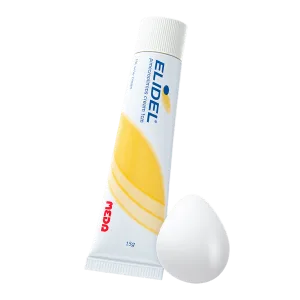
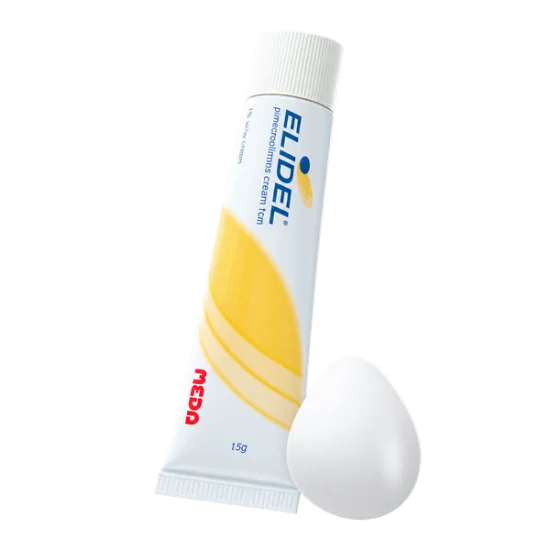
Elidel is supplied as a topical cream in tubes. The standard formulation contains pimecrolimus at a concentration of 1%. Tube sizes used for this medicine include 15 g and 30 g presentations.

The cream is intended for external use on eczema-affected skin. It should not be swallowed, placed inside the eyes, or applied to mucous membranes. A small amount is spread over the affected area as a thin film.

The formulation is designed for skin application rather than wound care. It should not be used on untreated bacterial, viral, or fungal infections because anti-inflammatory treatment can alter the appearance of an infection and delay appropriate management.

Elidel 1% cream is prescription-only in the United Kingdom. The MHRA provides medicine-safety oversight for licensed medicines used in UK clinical practice.

Mechanism of action

Pimecrolimus belongs to the topical calcineurin inhibitor group. It acts inside immune cells called T lymphocytes, which contribute to the inflammatory response involved in atopic dermatitis.

During an eczema flare, activated T cells release chemical messengers called cytokines. These signals sustain redness, itching, swelling, and skin irritation. Pimecrolimus inhibits calcineurin, an enzyme needed for the activation of several inflammatory genes. This reduces the production and release of inflammatory cytokines in the skin.

The action is local. The cream is designed to work at the application site, with much less whole-body exposure than an oral immunosuppressive medicine. The EMA product information describes pimecrolimus as a topical calcineurin inhibitor for atopic dermatitis [1].

Elidel is steroid-free. That difference matters when treatment involves the face, eyelids, neck, or skin folds, where prolonged corticosteroid exposure can contribute to skin thinning. A steroid-free option still needs correct use: burning, warmth, irritation, and increased sensitivity can occur during the first applications.

The treatment does not act like an antihistamine. It does not simply block the sensation of itching for a few hours. It reduces the immune signals that help maintain the eczema flare, so improvement may develop progressively rather than immediately.

The WHO describes atopic dermatitis as a chronic inflammatory skin disorder involving barrier dysfunction and immune activation [2]. This explains why moisturising, trigger reduction, and prescribed anti-inflammatory treatment often work best together.

Therapeutic indications

Elidel is most useful on delicate areas where repeated corticosteroid treatment may be unsuitable. These areas can include the face, neck, around the eyes, and skin folds. The cream can also be used on other affected areas when prescribed for that purpose.

Targeted skin conditions treated by Elidel

Elidel is used for mild-to-moderate atopic dermatitis. It may be prescribed when topical corticosteroids have not provided adequate control, when corticosteroids are unsuitable, or when repeated treatment is needed on sensitive skin.

Common symptoms include:

  • Itching that becomes worse at night
  • Red or inflamed patches
  • Dry, rough, or scaly skin
  • Burning or tenderness
  • Cracked skin during a stronger flare
  • Recurrent dermatitis in the same areas

Elidel does not permanently remove the tendency to develop eczema.

It controls inflammatory activity during treatment and may help reduce the need for repeated steroid courses when used within an agreed treatment plan.

Apply Elidel only to areas affected by eczema. Using extra cream on clear skin does not speed recovery and may increase local irritation.

Common mistakes

Poor results do not always mean that pimecrolimus has failed. Several practical errors can reduce its usefulness:

  • Applying it only after the flare becomes severe
  • Using a very thick layer
  • Applying it to infected skin
  • Stopping moisturiser because the redness has improved
  • Using fragranced products on the same area
  • Covering the cream with airtight dressings
  • Applying it straight after hot bathing
  • Continuing treatment on a rash that has changed character
  • Forgetting to wash hands after treating areas near the eyes
  • Using tanning beds or deliberate ultraviolet exposure during treatment

Another mistake is judging the treatment after one application. The early burning sensation can be more noticeable than the anti-inflammatory benefit at first. If the reaction is mild and short-lived, it may settle; if it is severe or persistent, the treatment needs review.

Patients sometimes apply Elidel to every itchy patch without confirming that each patch is eczema. Ring-shaped scaling, sharply bordered plaques, crusting, blisters, or rapidly spreading redness can indicate another condition.

Keep a simple record of the treated areas and flare pattern. If the rash repeatedly returns in one location, that detail can help a clinician identify an irritant or contact allergy.

Reasons not to use it

Elidel should not be used by people with a known allergy to pimecrolimus or any ingredient in the cream. It is also unsuitable for anyone with an active untreated skin infection at the proposed application site.

Specific situations requiring medical review include:

  • Suspected bacterial, viral, fungal, or parasitic skin infection
  • Recurrent herpes simplex around the area to be treated
  • Severe or widespread eczema
  • A weakened immune system
  • Treatment with medicines that suppress the immune system
  • Known or suspected skin cancer
  • A persistent rash that has not been diagnosed
  • Pregnancy or breastfeeding when the treatment area and duration need individual assessment
  • Infants younger than the approved treatment age for the prescribed indication

Elidel should not be applied to mucous membranes, inside the nose, or directly into the eyes. If it enters the eyes, rinse with clean water. Repeated eye exposure needs medical review.

Avoid strong sunlight and ultraviolet therapy during treatment. The reason is precautionary: calcineurin inhibitors affect local immune signalling, so unnecessary ultraviolet exposure is not recommended.

The product information also advises caution in people with Netherton syndrome or other conditions associated with increased skin absorption. Extensive application to damaged skin can increase exposure compared with treatment of small, intact areas.

When this is not for you

Elidel is not suitable for everyone, and certain infections, medical conditions, or treatment circumstances require review before use.

Do not use it if you are allergic to pimecrolimus or any ingredient in the cream, or if the skin where you want to apply it has an untreated infection. Speak with a clinician before use if you have severe or widespread eczema, a weakened immune system, skin cancer concerns, an undiagnosed persistent rash, or are pregnant or breastfeeding. It may also not be suitable for infants younger than the approved treatment age.

Unwanted effects

The most common early reaction is a temporary sensation of warmth, burning, stinging, or irritation where Elidel is applied. This often begins soon after application and may settle as the skin adapts. The British National Formulary describes local application-site reactions as recognised effects of topical pimecrolimus [3].

Other possible reactions include:

  • Redness at the application site
  • Itching or tingling
  • Dryness
  • Folliculitis
  • Skin irritation
  • Headache
  • Increased sensitivity to alcohol in some patients

Seek prompt medical assessment for facial swelling, breathing difficulty, widespread hives, severe blistering, rapidly worsening pain, or signs of infection. These symptoms require more than routine management of local cream irritation.

Elidel does not cause the same local steroid-related skin-thinning effect associated with prolonged topical corticosteroid exposure. That does not make every reaction harmless. Persistent burning, worsening dermatitis, or new lesions should lead to a review of the diagnosis and treatment plan.

If burning is strong, lasts well beyond application, or appears with swelling and spreading redness, pause further applications until a clinician has assessed the reaction.

A practical mistake is applying Elidel immediately after a hot shower. Heat can intensify stinging. Let the skin cool and dry first.

Comparison

Elidel occupies a specific place in eczema treatment. It is a non-steroid topical anti-inflammatory treatment, while topical corticosteroids and moisturisers work through different mechanisms.

Treatment approach Main role Key limitation
Elidel cream Reduces T-cell-driven inflammation in atopic dermatitis May cause burning or warmth when treatment starts
Topical corticosteroid Rapidly suppresses inflammation during flares Repeated or prolonged use may be unsuitable for delicate skin
Moisturiser Supports the skin barrier and reduces water loss Does not directly suppress active immune inflammation

Doctors may favour a topical corticosteroid for a short, intense flare when rapid suppression is needed. Elidel may be selected for sensitive areas or recurrent dermatitis where repeated steroid exposure raises concern. Moisturisers remain useful with either approach because dry skin can continue to trigger itching after inflammation has improved.

Elidel is not a substitute for moisturising. It also does not treat every itchy rash. Fungal infections, scabies, contact allergy, psoriasis, and bacterial skin infections require different treatment.

What doctors say

In clinical practice, dermatologists often judge Elidel by three measures: whether the diagnosis is correct, whether the cream is applied early, and whether the skin barrier is maintained between flares.

A clinician would usually expect the cream to reduce inflammation over days rather than produce instant relief after one application. Treatment started at the first signs of itching and redness may control a flare before the affected area becomes extensive.

A doctor may also ask about soaps, washing routines, sweating, occupational exposure, and moisturiser use. Persistent eczema can continue when an irritant remains in daily contact with the skin, even when the anti-inflammatory treatment is appropriate.

The European Medicines Agency product information supports intermittent use for atopic dermatitis rather than unrestricted continuous application [4]. Follow-up becomes more important when the rash repeatedly returns, spreads beyond the original sites, or fails to improve during the prescribed course.

One clinical detail is easy to miss: eczema around the eyelids can be caused or aggravated by cosmetics, nail products, hair dye, or fragranced skincare transferred by touch. Changing the cream alone may not resolve that exposure.

Comparison

Comparison table: Eczema

What customers often ask

Can alcohol be used while applying Elidel?

The EMA product information available in 2024 describes alcohol-related flushing, warmth, or irritation as a possible reaction with pimecrolimus. Alcohol is not known to cancel the anti-inflammatory action of the cream, but drinking it may make facial redness or burning more noticeable. Avoid alcohol if it repeatedly causes a reaction during treatment. The MHRA advises reporting persistent or severe suspected adverse reactions through established medicine-safety channels.

Does Elidel cause burning or warmth?

Temporary burning, stinging, or warmth is a recognised local reaction to pimecrolimus. The EMA product information from 2024 describes these sensations as most likely to occur early in treatment and at the application site. Mild, short-lived discomfort may settle as the skin adapts, while severe or persistent burning needs clinical review. Swelling, widespread hives, breathing difficulty, or blistering requires urgent assessment.

How soon does Elidel start to work?

Clinical improvement may become noticeable over several days, while a more complete reduction in redness and itching can take longer. The EMA assessment report from 2006 describes pimecrolimus as a topical treatment whose benefit develops through suppression of inflammatory signalling rather than instant numbing. The response depends on the severity of the flare, the area treated, and continued exposure to irritants. A rash that fails to improve during the agreed treatment period should be reassessed.

Can Elidel be combined with other medicines or supplements?

The MHRA product information from 2024 does not identify routine interactions with ordinary moisturisers, but medicines that suppress the immune system require specific review. Avoid adding another prescription anti-inflammatory cream to the same area unless the treatment plan includes it. Tell the prescriber about phototherapy, oral immunosuppressants, corticosteroids, and supplements that affect immune function. The WHO guidance on atopic dermatitis supports combining anti-inflammatory treatment with skin-barrier care rather than adding products without a clear purpose.

What should be discussed with a doctor before starting Elidel?

The EMA product information dated 2024 supports discussion of the rash diagnosis, infection signs, previous skin cancer, immune-system problems, pregnancy, breastfeeding, and treatment involving ultraviolet light. Mention any allergy to pimecrolimus or cream ingredients. The clinician also needs to know whether the rash is on the face, eyelids, hands, skin folds, or another site because application advice can differ. Bring a list of prescription medicines, non-prescription products, and supplements.

What should be done if the expected result does not occur?

If the rash remains unchanged, becomes more painful, spreads, or develops crusting or blisters, stop treating it as routine eczema and arrange a clinical review. The MHRA safety information from 2024 supports reassessment when treatment is ineffective or an adverse reaction is suspected. The problem may involve infection, contact allergy, an incorrect diagnosis, or continued exposure to an irritant. Do not compensate by applying thicker layers or using Elidel more often than agreed.

Do you offer anonymous delivery?

Your order will be securely packed and shipped within 24 hours. This is exactly what your package will look like (images of an actual item sent). It has the size and look of a regular private letter (24x11x0.7 cm) and its contents cannot be seen.

How Buyers Rate Elidel

4.4
Based on 4 reviews
Deborah, 42
Cardiff
Several days
Verified
Rating: 5 out of 5

The warmth was noticeable for the first few applications, especially around my nose. It settled after several days, and the itching became much easier to manage. I still needed moisturiser every day.

11 Nov 2026
Elaine, 48
Portsmouth
About a week
Verified
Rating: 4 out of 5

After about a week the redness had reduced, and I was less tempted to scratch at night. Alcohol caused flushing once, so I avoided it while the skin was irritated. The cream did not help every patch, which turned out to have a different cause.

15 Oct 2026
Wendy F., 53
Swansea
One week
Verified
Rating: 3.5 out of 5

The first week was mixed because the treated areas stung after washing. Improvement became clearer later, although the skin still flared when I used fragranced cleaning products. Applying a smaller amount helped with the greasy feeling.

21 Oct 2026
Julie V., 26
Leeds
Several days
Verified
Rating: 5 out of 5

The cream reduced the tight, itchy feeling within several days. I liked that it was not a steroid, but I had to be careful with sun exposure and avoid putting it too close to my eyes. My skin stayed calmer when I kept using a plain moisturiser.

31 Oct 2026

Sources

  1. European Medicines Agency (2002). Elidel: European public assessment report and product information for pimecrolimus cream.
  2. World Health Organization (2023). Atopic dermatitis.
  3. British National Formulary (2024). Pimecrolimus: topical preparations and adverse effects.
  4. European Medicines Agency (2006). European public assessment report: Elidel and pimecrolimus.
Get our free app Shop faster and track your orders 3.9 · 425 reviews Install