The first two applications felt hot and itchy, which nearly made me stop. The sensation became much milder after that, and the red patches around my eyelids settled.
Protopic
Protopic 0.1% ointment is used in adults with atopic dermatitis when topical corticosteroids are unsuitable or have not controlled the condition. It reduces excessive immune activity in affected skin. The ointment is applied directly to areas affected by atopic dermatitis.
Overview
Tacrolimus, the active ingredient of Protopic, is a topical calcineurin inhibitor for inflammatory skin disease.
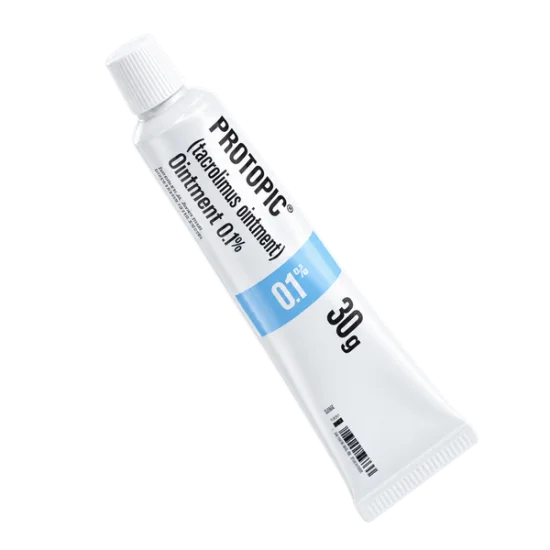
Protopic is a topical immunosuppressant supplied as an ointment in a tube.
Directions for use
The dose is decided individually, taking age, other medicines, and health conditions into account. Use the amount and schedule prescribed for your condition.
- Apply a thin layer to the affected skin.
- Use it only on areas diagnosed or identified for treatment.
- Avoid the eyes, lips, inside of the nose, and other mucous membranes.
- Wash the hands after application unless the hands are part of the treatment area.
- Do not cover treated skin with airtight dressings unless a prescriber has specifically instructed this.
- Avoid bathing, showering, or swimming immediately after application because water can remove the ointment.
- If a dose or application is missed, apply the next scheduled dose when appropriate rather than using extra ointment to compensate.
- Do not continue treatment beyond the prescribed course without clinical review.
A common practical error is applying tacrolimus immediately after a bath while the skin is still wet. Pat the skin dry first, then apply the ointment to dry affected areas.
Avoid applying moisturisers, cosmetics, or other topical products to the same area at exactly the same time unless the treatment plan allows it. Alcohol-based products can sting intensely on recently treated skin.
If the ointment is swallowed accidentally, contact a medical service for advice, especially if a child is involved. Do not induce vomiting.
Formulation
Protopic is a topical immunosuppressant supplied as an ointment in a tube. The product sold on this page contains tacrolimus at a concentration of 0.1%, with a 30 g tube size.
Tacrolimus is the active substance. In medicinal formulations, it is present as tacrolimus monohydrate. The ointment base contains pharmaceutical excipients that help spread the medicine across the skin and maintain its consistency, including paraffin-based ingredients used in tacrolimus ointment formulations.
Active ingredient and excipient profile
Tacrolimus belongs to the pharmacological class called topical calcineurin inhibitors. It is also classified as a topical immunosuppressant because it reduces selected immune signals in the skin rather than suppressing inflammation through a corticosteroid pathway.
Protopic is applied to the skin only. It is not intended for oral, ophthalmic, intranasal, or vaginal administration. The ointment should be kept away from the eyes, mouth, and mucous membranes.
The paraffin base can make treated skin and clothing more flammable. Keep the ointment away from flames, cigarettes, and other ignition sources, and wash clothing or bedding that has become heavily coated with the product.
Mechanism of action
Tacrolimus binds to an intracellular protein called FKBP-12. This complex inhibits calcineurin, an enzyme needed for the activation of nuclear factor of activated T cells. The result is reduced transcription and release of inflammatory cytokines involved in atopic dermatitis.
This mechanism differs from that of topical corticosteroids, which act through glucocorticoid receptors and influence a broader range of inflammatory processes. Tacrolimus does not cause the same pattern of steroid-related dermal thinning, making it useful for selected sensitive or repeatedly treated areas.
The medicine acts locally, but systemic absorption can occur, especially when large areas, damaged skin, or occlusive dressings are involved.
The MHRA and EMA describe topical tacrolimus as a treatment for atopic dermatitis under defined clinical conditions, with precautions concerning infection, ultraviolet exposure, and long-term use [1].
Therapeutic indications
Protopic 0.1% ointment is used for moderate to severe atopic dermatitis in adults when conventional topical corticosteroids are not advisable, have not worked sufficiently, or are not tolerated. Atopic dermatitis is a chronic inflammatory skin disorder that can cause redness, itching, dryness, scaling, and recurrent flare-ups.
Eczema is a broad term for inflammatory skin conditions. Protopic is intended for atopic dermatitis rather than every form of eczema, so the clinical diagnosis matters. A dermatologist or prescriber may consider the treatment when inflammation affects sensitive areas, returns repeatedly, or requires an alternative to repeated steroid exposure.
Tacrolimus does not remove the underlying tendency to develop atopic dermatitis. It controls inflammatory activity during treatment and may be prescribed for flare management or intermittent prevention of recurrent flares in patients who respond to it.
The medicine is usually prescribed when the affected skin needs anti-inflammatory treatment but a topical corticosteroid is not suitable for continued or repeated use. The face, neck, and skin folds may require careful treatment because these areas are more vulnerable to irritation and steroid-related skin thinning.
Common mistakes
Poor results often come from application habits rather than the mechanism of tacrolimus.
- Stopping after the first uncomfortable application without discussing the reaction.
- Applying the ointment to visibly infected skin.
- Using it on every itchy area without confirming that the area is atopic dermatitis.
- Applying a thick layer in the hope of faster improvement.
- Covering the area with airtight clothing or dressings.
- Using a sunbed or deliberately exposing treated skin to strong sunlight.
- Applying the ointment immediately after hot bathing.
- Forgetting that alcohol can intensify warmth and flushing.
- Sharing the tube with another person.
- Continuing treatment indefinitely without the planned review.
- Applying it inside the eyes, mouth, or nose.
- Using extra ointment after a missed application.
One small detail matters when treating the hands: wash them after application unless the hands are the affected area. This prevents accidental transfer to the eyes and mouth.
Reasons not to use it
- Allergy to tacrolimus, tacrolimus monohydrate, or any excipient in the ointment.
- Active bacterial, viral, or fungal infection at the intended application site.
- Treatment of severely damaged or infected skin without clinical assessment.
- Significant immune-system impairment.
- Use of medicines that strongly inhibit CYP3A4, such as some macrolide antibiotics, azole antifungals, or certain protease inhibitors.
- Pregnancy or breastfeeding, where the benefits and possible risks require individual assessment.
- Known lymph node enlargement, persistent skin lumps, or unusual skin lesions.
- Extensive treatment over large areas or use beneath occlusive coverings.
Tacrolimus absorption is usually low when applied to intact skin, but it can rise when the skin barrier is severely damaged or large areas are treated. Patients with inherited or acquired skin-barrier disorders may need specialist supervision.
Avoid live vaccines during treatment unless the prescriber has planned vaccination around the medicine. Tell the prescribing clinician about all medicines, including topical treatments, immunosuppressants, and herbal products.
When this is not for you
Protopic may not be suitable for you if the intended skin is infected, you have an allergy to an ingredient, or a clinician has identified a relevant contraindication. Speak to a prescriber before treatment if you have a weakened immune system, unusual skin lumps or lesions, severely damaged skin, or need to treat large areas. Pregnancy, breastfeeding, and use of certain medicines also require an individual medical assessment.
Unwanted effects
The most frequent early reactions are burning, warmth, itching, redness, or tingling where the ointment is applied. These effects often appear during the first few applications and may lessen as the skin settles. The British National Formulary and regulatory product information describe local irritation as a recognised effect of topical tacrolimus [2].
Other possible reactions include increased sensitivity to heat, alcohol flushing, acne-like changes, folliculitis, cold sores, and superficial skin infection. Alcohol may cause facial flushing or a burning sensation in some people while using tacrolimus ointment.
Protopic should not be applied to clinically infected skin until the infection has been assessed and treated as appropriate. Herpes simplex infection can produce grouped blisters or painful erosions. Molluscum contagiosum and other viral infections may also become more noticeable during treatment.
Seek prompt medical attention for facial swelling, difficulty breathing, widespread blistering, severe skin pain, or a rapidly spreading rash. These symptoms may indicate a serious allergic or dermatological reaction.
Sunburn is more likely when treated skin receives ultraviolet exposure. Protect treated areas from direct sunlight and avoid sunbeds. The product information advises limiting ultraviolet exposure during treatment [3].
A further detail patients often miss is the effect of heat. Hot showers, heated rooms, exercise, and alcohol can intensify facial warmth or stinging shortly after application, even when the medicine is being used correctly.

Comparison
Topical corticosteroids remain widely used for eczema flares because they reduce inflammation quickly. Their strength and duration are selected according to the body site and severity. Repeated or prolonged use, especially on thin skin, can contribute to skin thinning, visible blood vessels, stretch marks, and other local effects.
Calcineurin inhibitors work through a different pathway. Tacrolimus reduces calcineurin-dependent activation of T lymphocytes, which lowers the release of inflammatory cytokines. This makes Protopic useful when a non-steroid anti-inflammatory approach is preferred.
Other approaches may include emollients, trigger reduction, infection treatment when clinically indicated, and specialist-directed options for severe disease. Emollients support the skin barrier but do not replace tacrolimus during an active inflammatory flare.
The practical trade-off is clear: Protopic avoids corticosteroid-related skin thinning, yet burning and itching at the application site are common during the first days of treatment. Some people find the initial sensation difficult even when the inflammation later improves.
What doctors say
Dermatologists generally use topical tacrolimus when inflammation needs control but repeated corticosteroid treatment is undesirable. The clinical decision depends on the body site, severity, previous response, infection status, and the patient’s ability to apply treatment consistently.
A doctor will usually explain that burning during the first few days does not automatically mean allergy. It can reflect local nerve stimulation from the ointment on inflamed skin. A severe, spreading, or persistent reaction needs assessment rather than automatic continuation.
Treatment response is judged by reduced redness, itching, scaling, and flare frequency. The medicine is not expected to repair every aspect of the skin barrier by itself, so moisturising and trigger management remain relevant parts of an atopic dermatitis plan.
Clinical guidance from NICE supports structured management of atopic dermatitis, including emollients, topical anti-inflammatory treatment, infection assessment, and review when symptoms fail to respond [4]. Protopic works best when the treatment plan distinguishes active inflammation from simple dryness.
Comparison
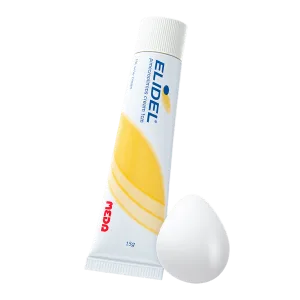
Elidel
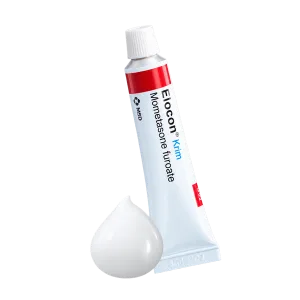
Elocon
Protopic Current
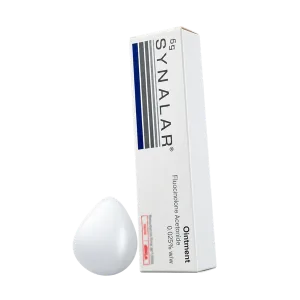
Synalar
What customers often ask
Can I go out in the sun while using Protopic?
Direct sunlight, sunbeds, and therapeutic ultraviolet treatment should be limited while using tacrolimus ointment. The 2024 EMA product information advises protective clothing and avoidance of excessive ultraviolet exposure during treatment [5]. Use shade and clothing to protect treated skin, and follow any specific dermatology advice about sunscreen. Sunburn, blistering, or rapidly worsening redness requires prompt clinical assessment.
What happens when I stop Protopic, and do I need to taper it?
Tacrolimus ointment does not usually require a gradual dose reduction in the way some systemic medicines do. Atopic dermatitis can return after treatment stops because the underlying tendency to inflammation may remain. The 2023 MHRA product information supports treatment schedules that include clinical review and, for suitable patients, intermittent use after control has been achieved . A flare after stopping does not prove dependence; it may indicate that the skin condition is active again.
What should I do after a missed application?
Apply the next scheduled amount when appropriate and continue with the prescribed routine. Do not apply a thick layer or use repeated applications to compensate for the missed treatment. The 2023 NICE guidance emphasises practical adherence and planned topical treatment for eczema rather than excessive application after a lapse . If missed applications happen frequently, review the routine with the prescribing clinician.
Can Protopic cause skin burning or irritation?
Yes. Burning, warmth, itching, and redness at the application site are recognised reactions to topical tacrolimus, especially during the first days of treatment. The 2024 EMA product information describes these effects as common and often temporary . Severe swelling, blistering, worsening pain, breathing difficulty, or a spreading rash requires urgent medical attention because these symptoms are not typical mild application-site irritation.
Which symptoms mean I should stop using Protopic and seek urgent medical help?
Stop applying the ointment and seek urgent medical help for facial or throat swelling, difficulty breathing, widespread blistering, severe skin pain, or rapidly spreading redness. Urgent assessment is also needed for signs of serious infection, such as fever with rapidly worsening skin, pus, or red streaking. The 2022 EMA product information describes severe allergic reactions and serious skin infections as conditions requiring prompt medical care . Do not restart treatment on a severely inflamed or infected area until a clinician has assessed it.
Do you offer anonymous delivery?
Your order will be securely packed and shipped within 24 hours. This is exactly what your package will look like (images of an actual item sent). It has the size and look of a regular private letter (24x11x0.7 cm) and its contents cannot be seen.
How Buyers Rate Protopic
I found it useful on my neck because I did not want to keep using steroid cream there. It was uncomfortable after a hot shower, so I started applying it when my skin had cooled.
The itching reduced within the first week, but the ointment felt greasy and I kept forgetting to wash my hands before touching my eyes. Once I changed that routine, the treatment was easier.
It helped my facial flare, although the first week was not pleasant. I also had to be more disciplined about sunlight and not applying it to areas that looked infected.
The ointment reduced the redness, but it did not solve the dryness by itself. I still needed regular moisturiser, and missing applications made the flare return more quickly.
Sources
- European Medicines Agency (2024). Summary of Product Characteristics (SmPC) — Protopic tacrolimus ointment.
- British National Formulary (2024). Tacrolimus: topical preparations — monograph.
- European Medicines Agency (2024). Protopic: product information, including the Summary of Product Characteristics.
- National Institute for Health and Care Excellence (2023). Atopic eczema in under 12s: diagnosis and management.
- European Medicines Agency (2022). Protopic: European public assessment and product information.