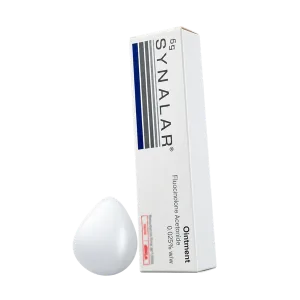
The itching eased within several days and the cracks became less uncomfortable. I found the ointment greasy during the day, so I used it when I was staying in rather than before work.
Synalar
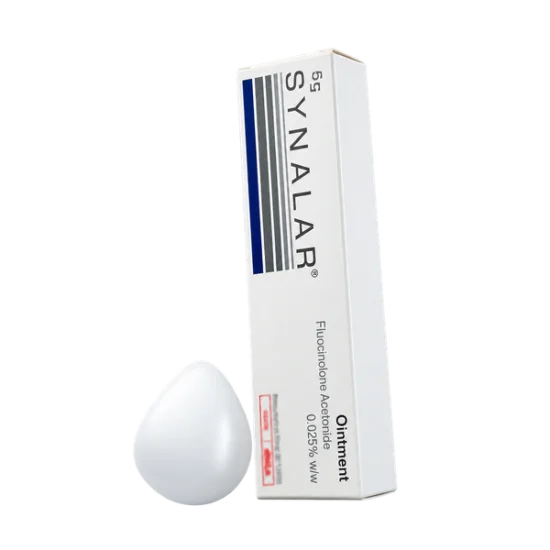
Synalar contains fluocinolone acetonide, a topical corticosteroid that calms excessive inflammation in the skin. It is used for corticosteroid-responsive conditions such as eczema, dermatitis and selected psoriasis flares. The ointment reduces redness, swelling and itching when applied thinly to the affected area for the prescribed duration.
Overview
Synalar is a topical corticosteroid ointment containing fluocinolone acetonide at a strength of 0.025%. Fluocinolone acetonide is the active ingredient responsible for reducing inflammatory activity.
Active Ingredient and Pharmacological Class
Fluocinolone acetonide belongs to the corticosteroid class. Corticosteroids reduce excessive immune and inflammatory activity rather than removing every underlying cause of a skin condition.
Directions for use
Apply a thin layer of Synalar to the affected skin at the prescribed frequency. The regimen for the chosen strength should be confirmed with a healthcare professional before starting.
- Wash and dry the area gently.
- Apply a thin layer only to the affected skin.
- Rub it in lightly until the ointment is distributed.
- Wash your hands afterwards, unless the hands are being treated.
- Avoid the eyes, mouth and broken skin unless specifically directed.
- Do not apply more frequently or in a thicker layer than prescribed.
More ointment does not make inflamed skin heal faster. A thick coating increases exposure and may raise the risk of local adverse effects.
Thin-Layer Application
The fingertip-unit method can help estimate the amount needed when a clinician has explained it. The correct quantity depends on the size of the affected area and the body site. Children often need smaller quantities because their skin-to-body-size ratio is higher.
Do not cover Synalar with a bandage, plastic wrap or another occlusive dressing unless this has been specifically prescribed. Occlusion can increase penetration through the skin.
Frequency, Duration and Missed Applications
Use Synalar at the frequency prescribed for the diagnosed condition. There is no single course length suitable for every rash, body site or age group.
If an application is missed, apply it when remembered unless the next scheduled application is close. Do not apply a double amount to compensate. If symptoms improve early, do not extend, restart or intensify treatment without a clinical review.
Formulation
Synalar is a topical corticosteroid ointment containing fluocinolone acetonide at a strength of 0.025%. It is supplied in tubes and applied directly to affected skin. Fluocinolone acetonide is the active ingredient responsible for reducing inflammatory activity.
The 0.025% strength represents the concentration of fluocinolone acetonide in the ointment. It should not be confused with the pack size, which is measured separately in grams. Topical corticosteroids act in the skin and are pharmacologically different from anabolic steroids used to influence muscle growth.
Active Ingredient and Pharmacological Class
Fluocinolone acetonide belongs to the corticosteroid class. Corticosteroids reduce excessive immune and inflammatory activity rather than removing every underlying cause of a skin condition.
Synalar may be prescribed when inflammation causes symptoms such as:
- Redness
- Itching
- Heat
- Swelling
- Dryness and scaling
- Irritated, thickened skin
It is for external use only.
Mechanism of action
Fluocinolone acetonide enters skin cells and activates glucocorticoid receptors. This changes the expression of inflammatory mediators and reduces signalling that contributes to redness, swelling and itching. The pharmacological action is consistent with the recognised anti-inflammatory effects of topical corticosteroids [2].
In plain language, Synalar quietens an overactive inflammatory response in the treated skin. It does not kill bacteria, fungi or viruses. It also does not permanently remove the tendency to eczema or psoriasis, so symptoms can return after a course ends.
Inflammation and Symptom Relief
As inflammation settles, the skin may feel less hot and itchy. Redness and swelling can also become less pronounced. Relief does not always mean that the underlying skin condition has fully resolved.
Therapeutic indications
Synalar is used for inflammatory or allergic skin conditions that respond to topical corticosteroids. These can include eczema, dermatitis and selected localised psoriasis flares. The appropriate choice depends on the diagnosis, body site, severity, age and presence of infection [1].
| Condition | Typical inflammatory features | Clinical role of Synalar |
|---|---|---|
| Eczema | Itching, redness, dryness and irritation | Helps control an inflammatory flare |
| Dermatitis | Red, itchy or swollen skin after irritation or allergy | Reduces inflammatory symptoms |
| Localised psoriasis | Well-defined plaques with scaling | May help during selected flares |
A spreading rash, increasing pain, warmth, pus, crusting or fever needs medical assessment. Those features can indicate infection or another condition requiring a different treatment approach. Corticosteroid treatment alone may allow some infections to worsen.
Eczema and Dermatitis Flares
During an eczema flare, Synalar can reduce itching and redness while the skin barrier recovers. Emollients remain useful for everyday moisturising, even when a corticosteroid is prescribed. Use the emollient and Synalar as separate applications according to the instructions provided for the treatment plan.
Contact dermatitis can result from irritants such as detergents, solvents or frequent hand washing. It can also follow an allergic reaction to a substance touching the skin. Removing the trigger remains part of management; Synalar controls the inflammatory response but does not remove the trigger.
Psoriasis and Other Steroid-Responsive Dermatoses
Synalar may be used for selected areas of psoriasis when inflammation is localised and the formulation is suitable. Facial, genital, skin-fold or widespread psoriasis needs a specific clinical plan because these sites absorb topical corticosteroids more readily or require different treatment choices.
Do not apply it to acne, rosacea or an undiagnosed rash unless a clinician has identified a corticosteroid-responsive condition.

Common mistakes
- Applying a thick layer: Extra ointment increases exposure but does not accelerate healing. A thin, even layer is sufficient.
- Treating clear skin: This enlarges the treated area and can increase absorption.
- Using a leftover tube for a new rash: A different condition may need a different treatment.
- Covering the area without advice: Occlusion can increase absorption and irritation.
- Stopping emollients: Moisturising remains part of eczema care and does not become unnecessary when inflammation improves.
- Continuing after the planned course: Persistent use can increase the risk of skin thinning and stretch marks.
- Applying it near the eyes: Transfer from fingers can irritate the eye and sensitive surrounding skin.
- Using it on infected skin alone: Corticosteroids do not treat bacterial, fungal or viral causes.
Reasons not to use it
These situations do not all represent absolute contraindications, but they change the risk assessment. Infection may need antimicrobial treatment rather than corticosteroid treatment alone. Occlusion can increase absorption, while thin skin can be more susceptible to thinning and irritation.
Do not exceed the prescribed dosage or application frequency. Contact a doctor after accidental heavy use, especially when the affected area is large or treatment has continued for longer than intended.
When this is not for you
NOT for you if:
- The rash may be caused by an untreated bacterial, fungal or viral infection.
- The skin is infected, rapidly spreading, very painful or producing pus.
- You plan to apply it to the eyes, eyelids, face, genital area or skin folds.
- The treatment area is large.
- The user is a child or infant.
- You are pregnant or breastfeeding and the treatment area is extensive or prolonged.
- You intend to cover the area with a bandage or dressing.
- You have previously reacted to fluocinolone acetonide or an ingredient in the ointment.
- You are using it for acne, rosacea or an unexplained rash.
Unwanted effects
Topical corticosteroids can cause local irritation, burning, itching or redness. These effects may be mild and short-lived, but persistent or worsening symptoms require assessment. Fluocinolone acetonide can also cause skin thinning, stretch marks, increased visibility of small blood vessels or changes in skin colour, especially after prolonged use or application to sensitive areas [3].
Risk increases with:
- Large treated areas
- Long courses
- Frequent applications
- Use under dressings
- Application to the face, genital skin or skin folds
- Use in young children
- Damaged or inflamed skin that absorbs medicines more readily
Local Skin Reactions
Stop improvising with the treatment if the skin becomes markedly more painful, swollen, blistered or weepy. A new rash after application may indicate irritation or contact allergy to the active ingredient or an excipient.
Improvement is not a reason to continue treatment indefinitely. The goal is to use the smallest amount for the prescribed period that controls the diagnosed flare.
Excessive Use and Absorption Risk
Accidental use of a small excess amount is unlikely to cause serious harm, but repeated heavy application should be avoided. Contact a doctor or pharmacist promptly after substantial overuse, use over a very large area or prolonged use under an occlusive dressing.
Extensive or prolonged exposure can allow corticosteroid absorption into the bloodstream. Rarely, this may affect adrenal or hormonal function. Children are more vulnerable because a greater skin surface may be treated relative to body size.
Comparison
Synalar ointment has a more occlusive, greasy base than a cream. This can suit dry, cracked or heavily scaly skin because the base helps retain moisture. A cream may feel lighter and spread more easily, but it can sting more on severely irritated skin depending on its excipients.
| Feature | Cream | Ointment |
|---|---|---|
| Texture | Lighter and easier to spread | Greasier and more occlusive |
| Common practical use | Areas where a lighter feel is preferred | Dry, thickened or scaly areas |
| Main caution | May sting irritated skin | May feel heavy and transfer to clothing |
Neither form is universally superior. The active ingredient and strength must still match the clinical plan. Do not change between cream and ointment solely because one feels more comfortable.
What doctors say
In clinical practice, doctors usually focus on four details before prescribing a topical corticosteroid: the diagnosis, the site, the strength and the duration. The amount applied is only one part of safe treatment.
A common prescribing mistake is treating a new rash as if it were the same as a previous eczema flare. Fungal infections, scabies, perioral dermatitis and bacterial infections can look inflamed but require different management. The wrong topical steroid can temporarily reduce redness while allowing the cause to persist.
Clinicians also pay close attention to the face, eyelids, groin, armpits and skin folds. These areas can absorb corticosteroids more readily and may develop local adverse effects sooner. Children need careful quantity and duration guidance for the same reason.
Comparison
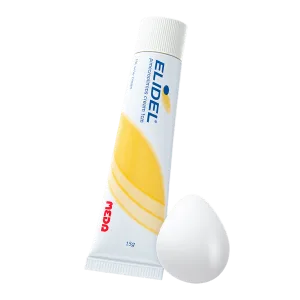
Elidel
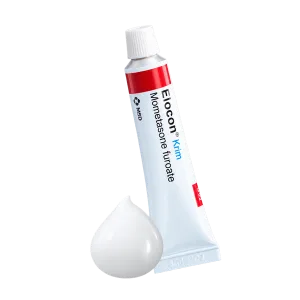
Elocon
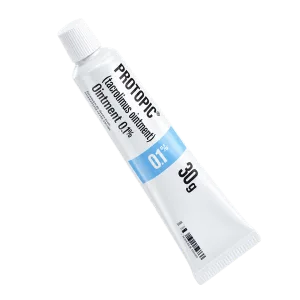
Protopic
Synalar Current
What customers often ask
Which symptoms mean stopping Synalar and seeking urgent medical advice?
Stop using Synalar and seek prompt medical advice if the treated area becomes rapidly more painful, swollen, blistered or covered with pus. Facial swelling, breathing difficulty or widespread hives may indicate a serious allergic reaction and need urgent assessment. NICE eczema guidance published in 2023 advises medical review when skin inflammation is accompanied by infection signs or systemic illness [4].
How soon does Synalar usually become noticeable?
Itching and redness may begin to settle after several applications, though the timing varies with the diagnosis, severity and body site. A lack of improvement, rapid worsening or spread suggests that the diagnosis or treatment plan needs review. The MHRA’s topical corticosteroid safety information published in 2021 supports using these medicines for the intended course rather than extending treatment because improvement is slow.
How long does one application of Synalar keep working?
The clinical effect depends on the strength, formulation, skin condition and application schedule. Ointment remains on the skin longer than a quickly removed product, but this does not mean that extra applications are appropriate. The FDA’s 2020 prescribing information explains that fluocinolone acetonide acts through local glucocorticoid receptors, so the prescribed frequency should be followed rather than adjusted according to how greasy the skin feels.
How long does a course last, and is long-term use acceptable?
The course length depends on the affected area, diagnosis, age and response. Long-term continuous use should not be assumed to be appropriate because repeated exposure can increase the risk of skin thinning and systemic absorption. The 2025 British National Formulary describes topical corticosteroid treatment as requiring selection of suitable potency, site and duration rather than indefinite self-treatment.
Which habits can help or hinder the result?
Regular emollient use can support the skin barrier in eczema, while irritants such as fragranced products, harsh detergents and repeated wet work can maintain inflammation. Scratching can worsen skin damage and increase the risk of infection. The World Health Organization’s 2002 practical approach to rational medicine use supports matching treatment to the confirmed condition and avoiding unnecessary escalation.
Do you offer anonymous delivery?
Your order will be securely packed and shipped within 24 hours. This is exactly what your package will look like (images of an actual item sent). It has the size and look of a regular private letter (24x11x0.7 cm) and its contents cannot be seen.
Synalar Formulation and Strength
The product described here is Synalar ointment 0.025% supplied in tubes. Ointment is a semi-solid preparation designed to remain on the skin and provide an occlusive, moisturising base.
Synalar names can refer to different presentations in different markets. Cream, ointment and combination products may not contain the same ingredients or have the same strength. A similarly named presentation should never be substituted without confirming its active ingredients and concentration.
Ointment Characteristics
Ointment is often useful on dry, thickened or scaly skin because its greasy base helps reduce water loss. It may feel heavy on hairy areas or during warm weather. Some people prefer a cream texture for daytime use, but the base does not determine corticosteroid potency by itself.
Potency depends on the active ingredient, concentration and formulation. A lighter-feeling preparation is not automatically weaker, and a greasier preparation is not automatically stronger.
Strength Verification
Synalar ointment 0.025% contains fluocinolone acetonide at the stated concentration. Pack size and active-ingredient strength are separate facts. A larger tube does not contain a stronger medicine.
Named presentations with additional letters or antimicrobial ingredients may have a different composition. They should not be treated as interchangeable with Synalar ointment.
Neo-Synalar Composition and Clinical Distinction
Synalar ointment is used for inflammatory skin disease. An antimicrobial-containing presentation may be selected when a clinician identifies a specific infection risk or secondary infection. The full formulation and diagnosis must match before either product is used.
How Buyers Rate Synalar
The redness settled, but the first application tingled for a few minutes. I stopped when the skin became more sore and arranged a review instead of carrying on with the tube.
It helped the itching, though the patch returned after I stopped. The useful part was having the area reassessed rather than repeatedly applying the same ointment.
Sources
- MHRA (2021). Topical corticosteroids: information on the risk of topical steroid withdrawal reactions.
- FDA (2020). Fluocinolone acetonide topical products: prescribing information.
- MHRA (2022). Topical corticosteroids: potency, safe use and adverse effects.
- NICE (2023). Eczema: atopic eczema — clinical knowledge summary.