Skip to content
Fenbendazole

Fenbendazole

Quality products
24/7 Support
Fast delivery
Delivery from 4 days
Active ingredient Fenbendazole

Free delivery on orders from £ 166.00, free express delivery from £ 249.00

Internal parasite control in horses and livestock relies on anthelmintics that target worms without affecting the animal’s own tissues. Fenbendazole capsules contain the benzimidazole anthelmintic fenbendazole and are used within veterinary parasite-control plans. The active substance disrupts essential cellular processes in susceptible worms, reducing their ability to survive in the gastrointestinal tract.

Overview

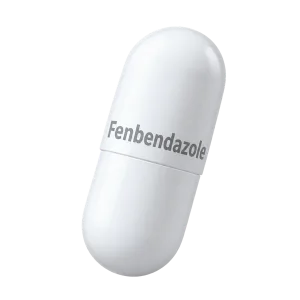
Fenbendazole belongs to the benzimidazole class of anthelmintics. It is used in veterinary medicine against susceptible gastrointestinal nematodes, meaning roundworms and related internal parasites.

Directions for use

Fenbendazole capsules are administered orally in the amount selected for the animal. The treatment course, timing and frequency depend on the species, bodyweight, parasite diagnosis and veterinary direction.

  • Give the individually determined oral amount consistently across the prescribed course.
  • Accurate weights matter.
  • Keep a treatment record with the date, active substance and reason for use.
  • Monitor manure, appetite and general behaviour after treatment.
  • Arrange reassessment when clinical signs persist or egg counts remain high.

Do not crush, open or divide capsules unless a veterinary surgeon has specifically directed this for the animal and formulation concerned. Altering a capsule can make accurate dose measurement difficult.

Practical tip: weigh a horse, pony or livestock animal whenever feasible rather than relying on appearance. Seasonal coat, pregnancy and body condition can make visual weight estimates misleading.

Formulation

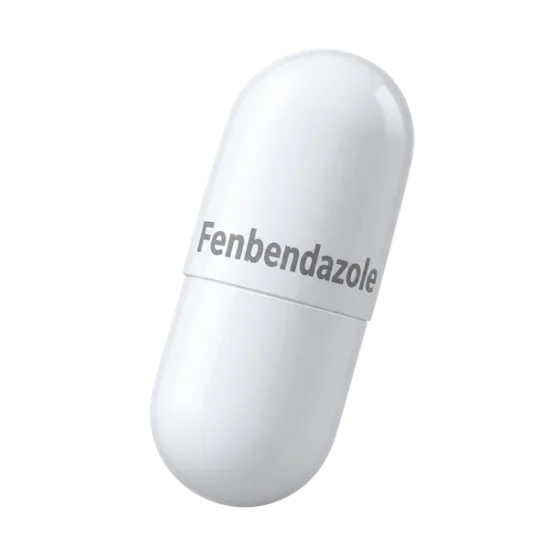
Fenbendazole capsules contain fenbendazole, an anthelmintic of the benzimidazole class. The active substance disrupts essential cellular processes in susceptible gastrointestinal nematodes, including roundworms and related internal parasites. The amount and treatment course are selected individually according to the animal, bodyweight, parasite diagnosis and veterinary direction.

Mechanism of action

Its core action is interference with parasite microtubules. Microtubules are tiny protein structures needed for cell division, nutrient uptake and internal transport. Fenbendazole binds parasite beta-tubulin, impairing microtubule formation and limiting glucose uptake. The parasite’s energy metabolism then fails, leaving it unable to maintain normal cellular function. Adult and developing worm stages may be affected, depending on parasite species and susceptibility [1].

This mechanism is selective rather than instant. Dead or damaged parasites may pass gradually after treatment.

Therapeutic indications

Fenbendazole-sensitive parasites include several gastrointestinal nematodes found in horses and other grazing animals. In equine medicine, relevant groups may include large strongyles, small strongyles, pinworms and roundworms.

Examples of equine parasites evaluated in worming programmes include:

  • Parascaris equorum, a large roundworm seen most often in young horses.
  • Strongyloides westeri, an intestinal threadworm that may affect foals.
  • Trichostrongylus axei, a stomach worm affecting grazing animals.
  • Large strongyles, including species in the Strongylus genus.
  • Pinworms, commonly associated with irritation around the tail area.
  • Cestodes, which are tapeworms and require an active substance with cestocidal activity, such as praziquantel where indicated.

Fenbendazole does not create identical results against every parasite population. Susceptibility varies by species, life stage and the resistance status of worms on a particular holding. A faecal egg count measures eggs shed in manure; it does not identify every parasite type or prove that a horse is free of tapeworms.

Common mistakes

Animal carers often call every worming failure resistance. Sometimes the cause is different: an inaccurate bodyweight estimate, a missed portion of a treatment course, reinfection from contaminated pasture or use of an active substance with the wrong spectrum.

Common mistakes include:

  • Treating every animal on a fixed schedule without faecal egg-count data.
  • Repeating fenbendazole after a poor outcome without confirming resistance.
  • Using a horse-oriented parasite plan for a different species.
  • Ignoring pasture management, manure removal and new-animal quarantine.
  • Assuming diarrhoea automatically means intestinal worms.
  • Treating for tapeworms with an active substance that does not target cestodes.
Practical tip: keep records by animal, not just by field. This makes it easier to identify recurrent shedders and prevents repeated treatment of low-risk animals.

Reasons not to use it

  • A known hypersensitivity to fenbendazole or another benzimidazole.
  • Severe illness, dehydration, persistent colic, marked weight loss or inability to eat.
  • A very young, frail, pregnant or lactating animal where the veterinary surgeon has not assessed treatment.
  • Concurrent use of another anthelmintic without a defined treatment plan.
  • A history of poor response to benzimidazole treatment on the holding.
  • Animals intended for the food chain where statutory withdrawal periods must be determined for the specific authorised veterinary product.

When this is not for you

Fenbendazole is not for you if the intended recipient is a person rather than an animal. Its veterinary use must be directed towards the correct animal species and parasite-control need.

Fenbendazole can be useful against susceptible worms, yet it cannot correct poor nutrition, unmanaged pasture contamination or another cause of diarrhoea. Weight loss, anaemia and recurrent colic also need diagnostic investigation.

Unwanted effects

Fenbendazole is generally used as a targeted veterinary anthelmintic, though no worming treatment is free from potential adverse effects. Mild digestive upset, temporary changes in manure, reduced appetite or altered behaviour may occur after treatment in some animals.

A heavy parasite burden can complicate the period after deworming. The animal may show abdominal discomfort, colic-type signs, lethargy or reduced feeding because damaged parasites and intestinal inflammation are present. These signs need veterinary assessment, especially in horses with persistent pain, repeated rolling, marked weakness or failure to pass manure.

Allergic-type reactions are uncommon but require prompt veterinary attention. Signs can include facial swelling, breathing difficulty, collapse or severe skin reactions. The Veterinary Medicines Directorate advises reporting suspected adverse reactions through the UK veterinary pharmacovigilance system [3].

Comparison

Fenbendazole may be used alone or considered alongside other anthelmintic classes in veterinary parasite programmes. Combination equine treatments can broaden parasite coverage, though each active substance has a distinct target range and resistance profile.

Ivermectin is a macrocyclic lactone. It acts mainly through parasite ligand-gated chloride channels, causing paralysis in susceptible invertebrate parasites. Praziquantel is an isoquinoline derivative with activity against cestodes, commonly called tapeworms. Fenbendazole remains a benzimidazole with a different cellular target.

Active substance or class Main pharmacological action Typical veterinary parasite focus
Fenbendazole Disrupts beta-tubulin and microtubules Susceptible gastrointestinal nematodes
Ivermectin Alters parasite chloride-channel signalling Nematodes and certain external parasite stages
Praziquantel Damages cestode surface structures Tapeworms and other cestodes

Combination products are selected for a defined parasite problem, not simply because they contain more ingredients. Using praziquantel when tapeworm treatment is indicated differs from using fenbendazole for a susceptible nematode burden. A veterinary surgeon can match the active substance to diagnostic findings and local resistance patterns.

Moxidectin is a macrocyclic lactone often used in equine parasite management because of its activity against some encysted cyathostomin stages. It needs careful veterinary selection, especially for young, underweight or medically compromised horses. Fenbendazole may be preferred when diagnostic evidence supports susceptibility and the intended parasite target fits its spectrum.

The British Equine Veterinary Association promotes diagnostic-led parasite control rather than calendar-based routine dosing. Targeted treatment reduces unnecessary exposure and helps preserve the usefulness of available anthelmintics [2].

Practical tip: do not combine separate worming products merely to widen coverage. Duplicate treatment can raise exposure without improving control of the parasite actually present.

What doctors say

Veterinary clinicians tend to focus first on whether treatment is needed, then on choosing the narrowest suitable active substance. A positive faecal egg count does not always mean immediate treatment is required, because the result must be interpreted with age, pasture management, season and clinical condition.

For horses, the most useful question is often which parasites are present and whether they remain susceptible. Young animals may need a different approach from healthy adult horses. Animals that graze intensively, share pasture with newcomers or have a history of parasitic disease also need an individual plan.

WHO guidance on controlling helminth infections supports targeted control strategies that reduce parasite transmission while avoiding unnecessary repeated exposure to anthelmintics [4].

Comparison

Comparison table: Antiparasitics

What customers often ask

How does fenbendazole differ from macrocyclic lactone wormers?

Fenbendazole is a benzimidazole that disrupts parasite microtubules and energy metabolism. Macrocyclic lactones, including ivermectin and moxidectin, act through parasite nerve and muscle signalling pathways. The best choice depends on animal species, target parasite and known resistance patterns. The EMA described the need for prudent anthelmintic use in its 2020 veterinary antimicrobial-resistance framework, which includes measures to preserve antiparasitic treatment options.

Should fenbendazole be given with food or on an empty stomach?

Administration depends on the animal species, capsule formulation and veterinary dosing plan. Feeding practices can influence how easily an oral treatment is accepted and whether the full intended amount is swallowed. Do not alter the route or capsule contents without veterinary direction. The MHRA’s Veterinary Medicines Directorate advised in 2024 that veterinary medicines should be used according to species-specific product information and professional instructions.

What should be discussed with a veterinary surgeon before starting fenbendazole?

Discuss the animal’s species, current bodyweight, age, pregnancy or lactation status, health problems and recent parasite treatments. Bring recent faecal egg-count results, pasture history and any record of poor response to previous wormers. This information helps distinguish likely parasite disease from nutrition, dental problems, gastric disease or other causes of weight loss. The British Equine Veterinary Association’s 2023 parasite-control guidance supports treatment decisions informed by testing and individual risk.

Can older animals receive fenbendazole?

Older animals may receive fenbendazole when a veterinary surgeon considers it appropriate for the diagnosed parasite problem. Age alone is not the deciding factor; frailty, dehydration, liver or kidney disease, body condition and concurrent treatment are more relevant. An older horse with colic, poor appetite or sudden weight loss needs assessment before parasite treatment is assumed to be the answer. WHO veterinary and public-health materials published in 2023 continue to support risk-based helminth control rather than automatic treatment.

Which habits support parasite control and which ones reduce its effect?

Regular manure removal, sensible stocking density, quarantine of incoming animals and faecal egg-count monitoring support a parasite-control programme. Repeated blanket dosing, estimating weight too low and mixing untreated newcomers into grazing groups can reduce its success. Good pasture practice lowers exposure to infective larvae and can reduce the need for treatment over time. The MHRA’s Veterinary Medicines Directorate reinforced in 2022 that correct dosing and responsible veterinary medicine use are central to limiting resistance.

Do you offer anonymous delivery?

Your order will be securely packed and shipped within 24 hours. This is exactly what your package will look like (images of an actual item sent). It has the size and look of a regular private letter (24x11x0.7 cm) and its contents cannot be seen.

How Buyers Rate Fenbendazole

4.4
Based on 5 reviews
Ian, 56
Coventry
Prescribed duration
Verified
Rating: 5 out of 5

I used fenbendazole as part of a plan after a faecal egg count. The course was straightforward, and we repeated the count later rather than guessing whether it had worked. Recording weights was more time-consuming than expected, but it made the plan clearer.

6 Nov 2026
Steven, 64
Sheffield
Prescribed duration
Verified
Rating: 5 out of 5

Our vet had us treat only the animals that needed it after the laboratory results came back. I had previously assumed every animal required the same schedule. The follow-up showed why that approach was too simplistic.

11 Oct 2026
Tom, 64
Leicester
Prescribed duration
Verified
Rating: 4 out of 5

The capsules were manageable for the animal selected for treatment, but I learned that parasite control is not a one-off task. Manure management and regular monitoring took more effort than the dose itself.

17 Oct 2026
Colin, 43
Dundee
Prescribed duration
Verified
Rating: 3.5 out of 5

I expected a quick solution for poor coat condition, but the faecal result did not support a high worm burden. We looked at feeding and dental issues with the vet instead. It was frustrating, though it avoided unnecessary worming.

24 Oct 2026
Liam, 36
Birmingham
Several seasons
Verified
Rating: 4.5 out of 5

I had used the same worming approach for several seasons. After discussing resistance testing, we changed the plan and stopped treating automatically. Keeping dates and results in one notebook made the follow-up much easier.

2 Nov 2026

Sources

  1. European Medicines Agency (2021). Summary of Product Characteristics (SmPC) — fenbendazole veterinary product.
  2. British Equine Veterinary Association (2023). Equine parasite-control guidance.
  3. Veterinary Medicines Directorate (2024). Veterinary pharmacovigilance: reporting suspected adverse events.
  4. World Health Organization (2017). Guideline for control of soil-transmitted helminth infections.
Get our free app Shop faster and track your orders 3.9 · 425 reviews Install