Skip to content
Neem

Neem

Quality products
24/7 Support
Fast delivery
Delivery from 4 days
Active ingredient Neem

Free delivery on orders from £ 166.00, free express delivery from £ 249.00

Neem tablets contain neem leaf material traditionally used in skin-focused herbal products, including formulations intended to support acne-prone skin. Evidence remains limited. Tolerance varies between adults.

Overview

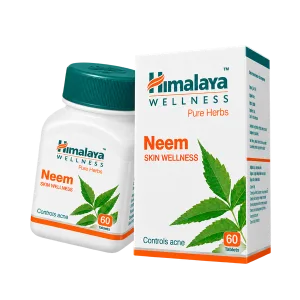
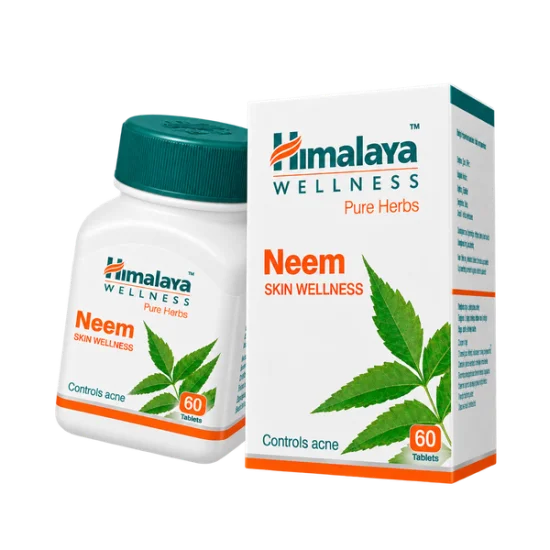
Neem is a herbal tablet product marketed for skin wellness and acne-prone skin. The product contains neem as its named botanical ingredient and is supplied as tablets in a bottle containing 60 tablets. Its botanical source is commonly identified as Azadirachta indica, a tree used in traditional Ayurvedic preparations.

Directions for use

  • Route: Take Neem tablets by mouth with water.
  • Dose and frequency: Follow the regimen for the chosen tablet strength confirmed with a healthcare professional before starting.
  • Timing: Take the tablets with water according to the agreed regimen.
  • Duration: Use the tablets for the duration agreed with a healthcare professional.
  • Missed dose: Do not automatically double the next intake after a missed dose.
  • Monitoring: Stop use and seek medical advice if digestive or allergic symptoms occur, or if skin symptoms worsen.

Formulation

Neem is a herbal tablet product marketed for skin wellness and acne-prone skin. The product contains neem as its named botanical ingredient and is supplied as tablets in a bottle containing 60 tablets. Its botanical source is commonly identified as Azadirachta indica, a tree used in traditional Ayurvedic preparations.

Neem leaves contain several classes of plant compounds, including limonoids and flavonoids. Laboratory research has examined neem extracts for antimicrobial, anti-inflammatory, and antioxidant activity, but laboratory findings do not prove that oral tablets will clear acne in every person. Traditional use and clinical evidence are separate forms of information.

The World Health Organization describes herbal medicines as products whose active ingredients come from plants, with their quality and effects depending on the plant material, preparation, and standardisation [1].

Neem tablets are intended for oral use. They should not be crushed into a homemade facial paste, applied directly to inflamed skin, or given to pets.

Mechanism of action

Neem has been studied in laboratory and traditional settings because some of its plant constituents may influence microbial growth and inflammatory pathways. Neem leaves contain several classes of plant compounds, including limonoids and flavonoids.

Therapeutic indications

Acne develops through several processes: increased sebum production, blocked hair follicles, inflammatory signalling, and changes in the skin microbiome.

A plant-based product may be considered as supportive skin wellness care when the user has mild concerns and no relevant contraindication. It should not be used to postpone assessment of painful nodules, scarring acne, sudden widespread eruptions, or acne accompanied by fever or facial swelling.

The practical limitation is that oral neem is not equivalent to a topical acne medicine. Treatments with established acne evidence, such as benzoyl peroxide, topical retinoids, or prescription medicines, have defined concentrations and clinical dosing schedules. Neem tablets do not provide the same level of standardised dermatological evidence.

Potential benefits and limitations

Neem may offer:

  • Plant-based support for a skin-wellness routine.
  • A formulation intended for people concerned about acne-prone skin.
  • Oral tablet administration rather than a topical preparation.
  • A fixed pack format of 60 tablets.

Limitations include:

  • Oral neem cannot be assumed to replace a clinically tested acne treatment.
  • Evidence from laboratory studies may not predict the response to this tablet product.
  • Herbal products may cause adverse effects or interact with medicines.
  • Improvement, if it occurs, may be gradual rather than immediate.

The European Medicines Agency evaluates herbal substances through evidence on quality, safety, and traditional or clinical use; a traditional history alone does not establish that every modern formulation treats a disease [2].

Common mistakes

Several habits can make an oral herbal product harder to assess:

  • Starting Neem at the same time as several new supplements.
  • Increasing the intake because acne has not changed quickly.
  • Crushing tablets and applying the powder to the face.
  • Ignoring itching, swelling, severe abdominal symptoms, or jaundice.
  • Using the tablets for severe or scarring acne without clinical review.
  • Assuming “natural” means suitable during pregnancy or breastfeeding.
  • Failing to mention the product before surgery or a new prescription.
  • Storing the bottle in a hot, humid room.
  • Judging the product after only a few days.
  • Stopping prescribed acne treatment without a replacement plan.

One detail is easy to miss: changes in skin appearance can reflect irritation from cleansers, exfoliants, shaving products, or cosmetics rather than a response to an oral supplement. Keeping the rest of the routine stable makes the result easier to interpret.

Reasons not to use it

  • Pregnancy, because oral neem safety has not been established sufficiently for routine use.
  • Breastfeeding, because information about transfer into breast milk and infant effects is limited.
  • Known allergy to neem or related botanical ingredients.
  • Liver disease or a history of unexplained abnormal liver tests.
  • Current treatment for diabetes, especially if glucose readings are difficult to control.
  • Use of immune-suppressing or immune-modifying medicines without prior professional review.
  • Planned surgery, when all herbal products should be disclosed in advance.
  • Use in children unless a clinician has specifically recommended it.
  • Use in pets; human neem tablets are not veterinary products.

Do not combine Neem with other oral herbal products that claim to regulate blood glucose, immunity, fertility, or liver function without checking the combination. Several products may influence the same physiological pathway even when their names and ingredients differ.

When this is not for you

Neem is NOT for you if you are pregnant, breastfeeding, taking interacting medicines, or have liver disease. Avoid self-starting it in the following situations:

  • Pregnancy, because oral neem safety has not been established sufficiently for routine use.
  • Breastfeeding, because information about transfer into breast milk and infant effects is limited.
  • Known allergy to neem or related botanical ingredients.
  • Liver disease or a history of unexplained abnormal liver tests.
  • Current treatment for diabetes, especially if glucose readings are difficult to control.
  • Use of immune-suppressing or immune-modifying medicines without prior professional review.
  • Planned surgery, when all herbal products should be disclosed in advance.
  • Use in children unless a clinician has specifically recommended it.
  • Use in pets; human neem tablets are not veterinary products.

People taking regular medicines should provide the full medicine list, including over-the-counter products and supplements, before beginning Neem. The relevant concern is not only the tablet itself but also the possibility of additive effects from several products.

Unwanted effects

Neem may be tolerated by some adults, but herbal origin does not remove the possibility of adverse effects. Oral products can cause nausea, abdominal discomfort, loose stools, headache, or an unpleasant taste. A rash, itching, swelling, wheezing, or facial puffiness may indicate an allergic reaction.

The risk profile may depend on the neem preparation, its concentration, contaminants, and the person taking it. The Medicines and Healthcare products Regulatory Agency advises reporting suspected adverse reactions from medicines and complementary products through its Yellow Card scheme; its safety guidance supports recording the product name and the timing of symptoms [3].

Seek urgent medical help for breathing difficulty, swelling of the lips or tongue, fainting, severe weakness, confusion, yellowing of the skin, very dark urine, or persistent vomiting. Stop taking the tablets until the reaction has been assessed.

Neem products require extra caution in people with liver disease, diabetes, fertility concerns, or medicines that influence blood glucose or immune activity. The evidence for many of these interactions is not sufficiently predictable to justify self-directed combination use.

A sudden rash after starting Neem is different from a gradual change in acne. Treat new itching, hives, facial swelling, or breathing symptoms as a possible medicine reaction rather than as the skin “purging”.

A second practical point concerns acne itself. If spots become deep, tender, or leave pits and dark marks, continuing an ineffective supplement for months can allow preventable scarring.

Comparison

Neem is best understood as a plant-based oral supplement for skin wellness. The alternatives below are categories rather than named competing products.

Approach Main role Main limitation
Neem tablets Herbal oral skin-wellness support Extract strength and acne evidence may be limited
Topical acne treatment Direct application to affected skin Can cause dryness, irritation, or peeling
Prescription acne treatment Treatment of moderate, severe, scarring, or persistent acne Requires clinical assessment and monitoring

Topical treatment acts directly at the skin surface, while an oral supplement is processed through the digestive system before any systemic plant constituents become available. For blackheads, inflamed spots, or recurring acne, a pharmacist or clinician may choose an evidence-based topical approach because the active concentration and application method are defined.

Prescription treatment becomes more relevant when acne is painful, widespread, scarring, psychologically distressing, or unresponsive to simpler measures. Neem tablets should not be presented as a substitute for that assessment.

What doctors say

In clinical practice, a doctor would usually separate two questions: whether a patient wants plant-based skin support, and whether the acne requires proven medical treatment. Mild, occasional spots may be approached differently from persistent inflammatory acne, nodules, or scarring.

A clinician would also ask about menstrual changes, new medicines, cosmetic products, steroid exposure, stress, and signs of hormonal or systemic disease. Acne that begins suddenly in adulthood deserves a more careful history than a few isolated blemishes.

The World Health Organization emphasises that herbal products require attention to identity, quality, safety, and appropriate use. That principle applies to Neem: the botanical name alone does not tell a clinician the extract concentration or predict an individual response [4].

A realistic expectation is modest. Some users may notice no meaningful difference, while others may report a gradual change in oiliness or spot frequency. The response should be judged by the skin over time, not by taking extra tablets after a difficult week.

Comparison

Comparison table: Antiparasitics

What customers often ask

What should I do if the expected skin result does not appear?

Give the product a defined review period based on the regimen confirmed before starting, rather than increasing the intake independently. The American Academy of Dermatology’s 2016 acne guidance supports evidence-based treatment selection according to acne severity, inflammation, and scarring risk [5]. If spots are painful, spreading, leaving scars, or affecting daily life, arrange a clinical assessment instead of continuing an ineffective approach indefinitely.

Can Neem be used during pregnancy or breastfeeding?

Neem should not be self-started during pregnancy or breastfeeding because oral safety information is insufficient for routine use. The NHS advises careful evaluation of medicines and herbal products during pregnancy and lactation, since “natural” does not guarantee infant safety. WHO herbal-medicine guidance published in 2004 also supports professional review when safety information is limited. Discuss any intended use with a maternity clinician before taking a tablet.

Which condition rules Neem out completely?

A known allergy to neem is a clear reason not to take it. A history of a serious reaction to a previous neem product also rules out re-exposure unless a specialist has assessed the situation. The MHRA’s 2024 Yellow Card guidance treats suspected allergic reactions to medicines and complementary products as safety events that warrant attention, especially when symptoms include swelling or breathing difficulty.

How long does a course last, and is long-term use acceptable?

The course length should be set after the intended strength and personal health factors have been reviewed. Long-term self-use should not be assumed to be acceptable because the safety of prolonged oral neem use may depend on the extract, dose, liver health, and other medicines. WHO herbal-medicine guidance from 2004 supports periodic review when a plant product is used beyond short-term self-care.

Can Neem cause stomach upset?

Yes, oral neem may cause digestive symptoms such as nausea, abdominal discomfort, or loose stools in some users. The EMA’s 2017 general approach to herbal medicines recognises that tolerability can vary with preparation quality, dose, and individual sensitivity. Persistent vomiting, severe abdominal pain, or symptoms accompanied by yellow skin require prompt medical assessment.

Which symptoms mean stopping Neem and seeking urgent medical help?

Stop taking the tablets and seek urgent help for breathing difficulty, swelling of the lips or tongue, fainting, severe weakness, confusion, yellowing of the skin, or very dark urine. These symptoms may indicate a serious allergic reaction or another significant adverse event. NHS emergency guidance, consistent with WHO pharmacovigilance guidance from 2004, supports urgent assessment when breathing or consciousness is affected, rather than waiting for symptoms to settle at home.

Do you offer anonymous delivery?

Your order will be securely packed and shipped within 24 hours. This is exactly what your package will look like (images of an actual item sent). It has the size and look of a regular private letter (24x11x0.7 cm) and its contents cannot be seen.

How Buyers Rate Neem

3.2
Based on 3 reviews
Michael, 45
Nottingham
Several weeks
Verified
Rating: 3.5 out of 5

I was hoping it would help with occasional spots around my jaw. I noticed fewer new blemishes after some time, although I also simplified my shaving products, so I cannot attribute the change to the tablets alone.

6 Oct 2026
Lisa, 49
Exeter
A short period
Verified
Rating: 2.5 out of 5

I took it for a short period and developed mild stomach discomfort after the tablets. My skin did not change enough to justify continuing, and the symptoms settled after I stopped.

15 Oct 2026
Neil G., 45
Sunderland
Several weeks
Verified
Rating: 3.5 out of 5

The tablets were easy to take, but the improvement was gradual and limited. I still needed a proper acne treatment for the inflamed areas, so I viewed Neem as a supplement rather than the main treatment.

4 Nov 2026

Sources

  1. World Health Organization (2007). WHO Monographs on Selected Medicinal Plants, Volume 3.
  2. European Medicines Agency (2017). Guideline on quality of herbal medicinal products/traditional herbal medicinal products.
  3. Medicines and Healthcare products Regulatory Agency (2024). Yellow Card scheme: report suspected side effects.
  4. World Health Organization (2004). WHO Guidelines on Safety Monitoring of Herbal Medicines in Pharmacovigilance Systems.
  5. American Academy of Dermatology (2016). Guidelines of care for the management of acne vulgaris.
Get our free app Shop faster and track your orders 3.9 · 425 reviews Install