I had stomach discomfort and loose stools for months before testing found the parasite. I took the tablets as prescribed and felt tired for two days. The bowel symptoms settled gradually rather than overnight.
Stromectol
Ivermectin targets parasite nerve and muscle channels, helping immobilise and clear the organisms. Medical assessment is needed before dosing.
Overview
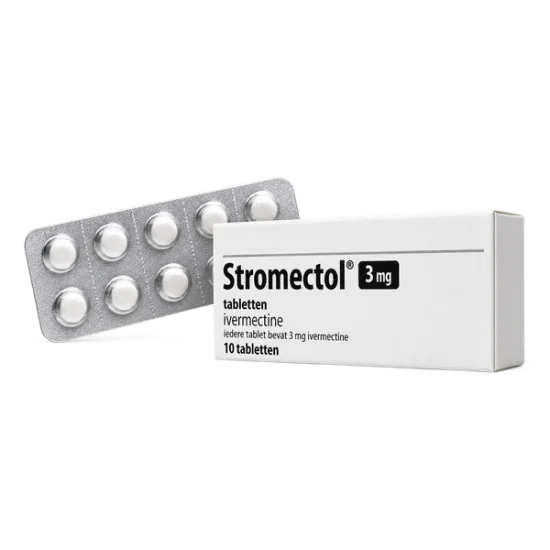
Stromectol contains ivermectin, an oral antiparasitic used for infections caused by certain nematodes. It is prescribed for adults when testing supports conditions such as strongyloidiasis or onchocerciasis.
Directions for use
Clinical guidance from the Centers for Disease Control and Prevention and infectious-disease references commonly uses a weight-based oral dose, often 200 micrograms per kilogram for uncomplicated strongyloidiasis. The exact number of Stromectol tablets depends on body weight and the prescribed regimen.
For onchocerciasis, prescribing references commonly use a weight-based ivermectin dose near 150 micrograms per kilogram. Treatment may be repeated at intervals determined by the infection burden, local control programme, and specialist assessment. It is not the same schedule used for every worm infection.
Stromectol is supplied as oral tablets containing ivermectin. The tablets are swallowed with water. The prescribed amount is set individually rather than being one fixed number for every adult.
For parasitic infections, the prescriber selects the regimen according to:
- The confirmed or suspected parasite
- Body weight
- The severity and location of infection
- Immune status
- Liver health and concurrent medicines
- Whether follow-up treatment or testing is required
Common clinical regimens include a single weight-based administration for uncomplicated strongyloidiasis or onchocerciasis, with repeat treatment considered for selected patients. Severe strongyloidiasis may require daily ivermectin and hospital care, especially when hyperinfection is suspected. That situation cannot be managed safely by adjusting tablets at home.
Swallow the tablets as prescribed. Do not take extra tablets because symptoms continue. Persistent symptoms may indicate residual inflammation, another diagnosis, reinfection, or a parasite that requires a different treatment.
If vomiting occurs soon after the dose, the prescriber or treatment service should determine whether absorption was adequate. Do not automatically repeat the dose.
Formulation
Stromectol tablets contain ivermectin. The amount taken at each intake is set individually for each person rather than being one fixed number. Ivermectin is an antiparasitic that acts mainly on parasite nerve and muscle channels.
Mechanism of action
Ivermectin binds to glutamate-gated chloride channels in the nerve and muscle cells of parasites. Chloride ions enter the cells, producing hyperpolarisation and paralysis. The parasite loses its ability to move, feed, or maintain its position in host tissue, allowing the infection to be cleared through normal physiological processes. The FDA prescribing information describes ivermectin’s activity against the microfilariae of Onchocerca volvulus and intestinal Strongyloides stercoralis [1].
Therapeutic indications
Strongyloidiasis is caused by the soil-transmitted nematode Strongyloides stercoralis. Larvae can enter through skin contact with contaminated soil, migrate through the body, and mature into adult worms in the small intestine. The infection may persist for years because the parasite can reinfect the host internally.
Some people have no symptoms. Others develop:
- Intermittent abdominal pain or diarrhoea
- Bloating, nausea, or reduced appetite
- An itchy, rapidly moving rash
- Cough or wheezing during larval migration
- Raised eosinophil counts on a blood test
Ivermectin is used to remove adult intestinal parasites and interrupt the infection cycle.
Onchocerciasis, also called river blindness, is caused by Onchocerca volvulus. Blackflies transmit the parasite in areas where the flies breed near fast-flowing rivers. Adult worms form nodules under the skin and release microscopic larvae called microfilariae.
Microfilariae can move through the skin and eyes. Their death may trigger inflammation, itching, skin thickening, pigment changes, and progressive eye disease. The World Health Organization identifies ivermectin as a central treatment for reducing the microfilarial burden in affected communities and individuals [2].
Common mistakes
Several avoidable mistakes can reduce treatment success or delay urgent care:
- Taking tablets for unexplained itching without confirming the likely cause
- Using the same tablet count for another person with a different body weight
- Repeating a dose because symptoms have not disappeared within a few days
- Ignoring a history of travel that could indicate Loa loa exposure
- Failing to mention warfarin or unstable INR results
- Treating severe diarrhoea or respiratory symptoms at home when hyperinfection is possible
- Assuming a negative single stool test excludes strongyloidiasis
- Taking extra antiparasitic medicines without a clinician’s treatment plan
When this is not for you
NOT for you if the diagnosis is uncertain, you have a serious ivermectin allergy, or a clinician has identified a high-risk condition such as possible Loa loa infection.
Stromectol is not suitable for you if you have had a serious allergic reaction to ivermectin or an ingredient in the tablets. It also requires specialist assessment when the diagnosis is uncertain, because not every cause of diarrhoea, rash, or itching is a susceptible parasitic infection.
A Loa loa infection can create a serious neurological reaction after ivermectin, especially when the microfilarial load is high. Travel and residence history in endemic Central or West African regions should be discussed before treatment.
Pregnancy requires an individual risk assessment. The decision depends on the infection, its severity, gestational stage, and available alternatives. Breastfeeding decisions also depend on the dose and the infant’s age.
Unwanted effects
Common adverse effects can include dizziness, nausea, diarrhoea, fatigue, abdominal discomfort, and headache. In onchocerciasis, itching, rash, hives, fever, muscle pain, fast heartbeat, low blood pressure, or swollen lymph nodes may result from the inflammatory response to dying microfilariae. The CDC describes this reaction as a Mazzotti-type response.
Urgent medical attention is needed for:
- Severe rash, facial swelling, wheezing, or difficulty breathing
- Fainting, severe dizziness, or confusion
- Seizures or loss of consciousness
- Yellowing of the skin or eyes
- Severe abdominal pain or persistent vomiting
- New vision problems after treatment for onchocerciasis
A mild increase in itching can occur during parasite clearance. Widespread hives, swelling of the lips, or breathing difficulty is different and may indicate an allergic reaction.
Possible effects include:
- Dizziness or light-headedness
- Nausea, diarrhoea, or stomach discomfort
- Headache
- Tiredness
- Itching or rash
- Hives
- Fever or muscle aches
- Swollen lymph nodes
Neurological symptoms are uncommon but clinically important. Severe drowsiness, confusion, unsteady walking, tremor, or seizures require urgent assessment. These symptoms can also signal severe parasitic disease, drug interaction, or another medical problem.
One practical detail is easy to miss: dizziness can be more troublesome if the patient stands quickly after taking the tablets or is already dehydrated from diarrhoea. Sitting down before standing and maintaining appropriate fluid intake can reduce falls, though persistent dizziness still needs clinical review.

Comparison
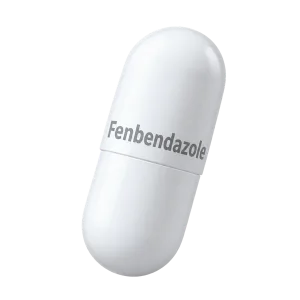
Ivermectin and albendazole act through different biological targets. Ivermectin affects parasite chloride channels and produces paralysis. Albendazole binds parasite tubulin and interferes with microtubule formation, which disrupts energy use and cell function.
| Treatment approach | Main pharmacological action | Typical clinical role |
|---|---|---|
| Ivermectin | Activates parasite glutamate-gated chloride channels | Strongyloidiasis, onchocerciasis, and selected other parasitic infections |
| Albendazole | Disrupts parasite tubulin and microtubules | Several intestinal and tissue helminth infections, selected according to species |
The choice depends on the identified organism. Ivermectin is closely associated with Strongyloides stercoralis and Onchocerca volvulus, while albendazole is selected for infections where benzimidazole activity is appropriate. The medicines are not interchangeable tablet-for-tablet, and combining them without a defined clinical reason can increase adverse effects without improving parasite clearance.
Albendazole may be preferred for some tissue or intestinal helminths. Stromectol may be preferred when the parasite is susceptible to ivermectin and the prescribed weight-based regimen is appropriate. Laboratory findings, travel history, immune status, and the possibility of central nervous system involvement all affect selection.
What doctors say
In clinical practice, doctors first try to match the medicine to the parasite. A positive or strongly supported diagnosis makes the treatment plan clearer than symptoms alone. Itching may continue after the organisms have been cleared because inflammation can outlast the infection.
Infectious-disease clinicians also pay close attention to immune status. A short course suitable for uncomplicated strongyloidiasis may be inadequate when corticosteroids or other immunosuppressants have allowed hyperinfection to develop. In that setting, repeated stool testing, hospital treatment, and a longer ivermectin plan may be necessary.
Prescribers usually calculate the number of 3 mg tablets from body weight rather than using a standard adult tablet count. This is why two adults receiving Stromectol for the same parasite can receive different numbers of tablets.
A further clinical point concerns follow-up. A negative test immediately after treatment does not always answer whether every stage of infection has been eliminated. Timing, test sensitivity, and the parasite involved determine whether repeat testing is useful.
Comparison
What customers often ask
Can Stromectol be taken with warfarin or other medicines?
Warfarin requires specific planning because ivermectin has been associated with changes in anticoagulant control. The MHRA’s medicine-safety framework supports reviewing the full medicine list and arranging INR monitoring when clinically appropriate. This applies in 2026 as a practical safety measure, not as a reason to stop warfarin independently. Medicines that inhibit CYP3A4 or affect drug transport may also require review.
Which symptoms require urgent medical attention?
The WHO’s 2023 onchocerciasis guidance recognises severe reactions after microfilarial treatment as a clinical concern. Seek urgent care for breathing difficulty, facial swelling, collapse, seizures, severe confusion, marked weakness, or sudden vision changes. Yellow skin, persistent vomiting, or severe abdominal pain also requires prompt assessment because these symptoms may indicate a serious reaction or another complication. Mild temporary itching alone is not equivalent to airway swelling or neurological impairment.
What should be done after a missed dose?
For a single-dose regimen, do not double the next dose if the planned time has passed. Contact the prescribing service for a revised schedule, especially when treatment is for strongyloidiasis with immune suppression or for onchocerciasis. CDC guidance published in 2024 supports clinician-directed follow-up when treatment timing changes. Public-health treatment programmes may use fixed follow-up intervals, and changing them without advice can reduce the value of monitoring. The same rule applies after vomiting when absorption is uncertain.
Do you offer anonymous delivery?
Your order will be securely packed and shipped within 24 hours. This is exactly what your package will look like (images of an actual item sent). It has the size and look of a regular private letter (24x11x0.7 cm) and its contents cannot be seen.
How Buyers Rate Stromectol
The tablets were easy to swallow, but I felt dizzy that evening. I had taken them after a long day with little food or water, so I rested and drank fluids. The dizziness had gone by the following morning.
The itching became stronger during the first day, then eased over the next week. I was warned that the reaction could come from dying microfilariae, which made the experience less alarming. I still needed follow-up.
My first dose did not end the skin symptoms immediately. Testing and the doctor’s review mattered more than guessing from how I felt. I did not take extra tablets.
The treatment was straightforward, though nausea lasted through the evening. I was taking warfarin at the time, and the clinic arranged INR checks instead of leaving the interaction to chance.
Sources
- U.S. Food and Drug Administration (2021). STROMECTOL (ivermectin) Tablets, Prescribing Information.
- World Health Organization (2023). Onchocerciasis: Fact sheet.