The burning was less frequent after several days, and I stopped getting the sour taste in my throat at night. I had a mild headache early on, but it settled.
Nexium
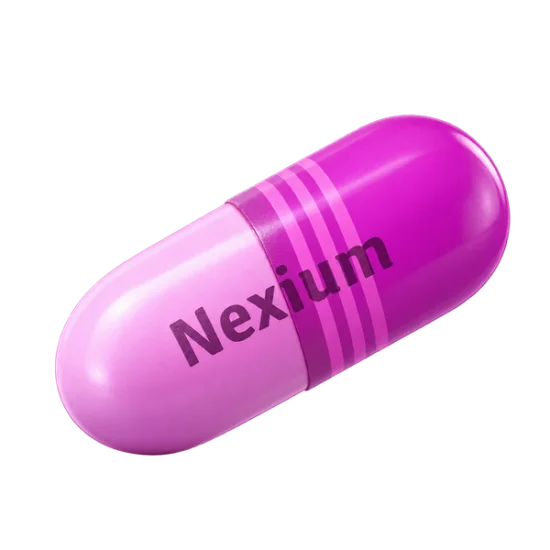
Esomeprazole in Nexium lowers gastric acid by blocking the final step of acid secretion in the stomach. These capsules are used for adults with reflux-related symptoms, oesophageal inflammation and acid-related ulcer conditions where sustained acid control is needed.
Overview
Nexium contains esomeprazole, a proton pump inhibitor, often shortened to PPI. PPIs reduce acid production more deeply and for longer than simple antacids because they act inside acid-producing stomach cells.
Esomeprazole is the S-isomer of omeprazole. This means it is one of the two mirror-image forms of the same molecule. In practice, its metabolism can be more predictable for some people, which supports consistent acid suppression across the day. The European Medicines Agency describes esomeprazole as a medicine for acid-related gastrointestinal disorders, including gastro-oesophageal reflux disease and ulcer-related indications. [1]
Active ingredient profile
The active substance works only after being absorbed and reaching the acid-producing cells of the stomach. It does not neutralise acid already present in the stomach in the same immediate way as an antacid.
A capsule should be swallowed whole with water. Crushing, chewing or opening gastro-resistant capsules can damage the coating designed to carry esomeprazole through the stomach.
Directions for use
- Dose and frequency: Nexium capsules are taken orally, with the amount and frequency agreed with a doctor or pharmacist according to the reason for treatment.
- Timing: Take the capsules at the agreed time of day as part of the treatment plan.
- Duration: Treatment may be short for a flare of reflux symptoms or longer for confirmed oesophageal damage, recurrent ulcer disease or an ongoing need for stomach protection. After an initial treatment period, NICE guidance for GORD recommends using the lowest PPI dose that maintains symptom control [2].
Formulation
Nexium contains esomeprazole, a proton pump inhibitor, often shortened to PPI. PPIs reduce acid production more deeply and for longer than simple antacids because they act inside acid-producing stomach cells.
Esomeprazole is the S-isomer of omeprazole. This means it is one of the two mirror-image forms of the same molecule. In practice, its metabolism can be more predictable for some people, which supports consistent acid suppression across the day. The European Medicines Agency describes esomeprazole as a medicine for acid-related gastrointestinal disorders, including gastro-oesophageal reflux disease and ulcer-related indications. [1]
Active ingredient profile
The active substance works only after being absorbed and reaching the acid-producing cells of the stomach. It does not neutralise acid already present in the stomach in the same immediate way as an antacid.
A capsule should be swallowed whole with water. Crushing, chewing or opening gastro-resistant capsules can damage the coating designed to carry esomeprazole through the stomach.
Mechanism of action
The stomach’s parietal cells produce acid through the hydrogen-potassium ATPase pump, also called the proton pump. Esomeprazole reaches these cells through the bloodstream and binds to this pump, reducing both basal acid secretion and acid released after meals.
This action gives Nexium a longer acid-reducing effect than medicines that only block histamine receptors. The pump needs time to become active, so a PPI usually works best when taken consistently rather than only at random moments of discomfort.
Acid reduction can allow inflamed oesophageal tissue to heal. It may also protect the stomach and upper intestine in people whose treatment increases ulcer risk.
Therapeutic indications
Doctors use Nexium for gastro-oesophageal reflux disease, often called GORD, when reflux causes persistent heartburn, regurgitation or inflammation of the oesophagus. It may also be used for healing erosive oesophagitis, reducing ulcer recurrence in selected circumstances, and controlling excess acid in specific medical conditions.
A course can be short when the aim is to settle a flare of reflux symptoms. Longer treatment may be used when there is confirmed oesophageal damage, recurrent ulcer disease or a continuing reason for stomach protection.
Common mistakes
- Taking capsules only after a heavy meal and expecting immediate neutralisation of acid.
- Stopping and restarting treatment repeatedly before the intended course has had time to work.
- Continuing daily treatment for months without reviewing why it is still needed.
- Combining frequent NSAID use with alcohol and assuming a PPI removes all ulcer risk.
- Ignoring swallowing problems, bleeding signs or unexplained weight loss because heartburn has improved.
- Starting St John’s wort or a new prescription medicine without considering interactions.
One detail patients often miss is rebound acid hypersecretion. After extended PPI use, stopping suddenly may produce a temporary increase in acid symptoms. This can feel like the underlying condition has become worse, when it may reflect the withdrawal pattern. A planned reduction is sometimes preferred for long-term users.
Reasons not to use it
Nexium is not for you if you have had a serious allergic reaction to esomeprazole, another proton pump inhibitor, or a capsule ingredient. It is also unsuitable alongside nelfinavir, an antiviral medicine, because the combination can significantly reduce nelfinavir exposure.
Use requires individual assessment when there is severe liver impairment, osteoporosis or fracture risk, low magnesium, vitamin B12 deficiency, lupus, or a history of recurrent gastrointestinal infection. Pregnancy and breastfeeding also need a tailored clinical decision rather than routine self-directed use.
When this is not for you
Nexium is not for you if you have had a serious allergic reaction to esomeprazole, another proton pump inhibitor, or a capsule ingredient. Do not use it with nelfinavir. Ask a clinician before using it if you have severe liver problems, osteoporosis or fracture risk, low magnesium, vitamin B12 deficiency, lupus, recurrent gastrointestinal infections, or if you are pregnant or breastfeeding.
Difficulty swallowing, vomiting, anaemia, unintentional weight loss, repeated vomiting, blood in vomit, or black stools require prompt assessment before relying on ongoing acid suppression.
Unwanted effects
Most people tolerate esomeprazole without major difficulty. Headache, abdominal discomfort, diarrhoea, constipation, nausea and wind are among the more commonly reported effects. These symptoms are often mild, though persistent diarrhoea or abdominal pain deserves medical assessment because the cause may not be the capsule itself.
Seek urgent medical help for swelling of the face or throat, widespread blistering rash, fainting, black stools, vomiting blood, severe persistent abdominal pain, or unexplained weight loss with swallowing difficulty. These are not symptoms to manage by simply increasing acid-reducing treatment.
Long-term PPI treatment has been associated with low magnesium, vitamin B12 deficiency, a small increase in fracture risk in people already at risk, and certain intestinal infections. These associations do not mean every long-term user will develop a problem. The degree of risk varies with treatment duration and individual susceptibility. They explain why clinicians periodically reconsider whether the ongoing dose and duration remain appropriate. The MHRA has issued safety communications on fracture risk and severe hypomagnesaemia with prolonged PPI use. [4]
Comparison
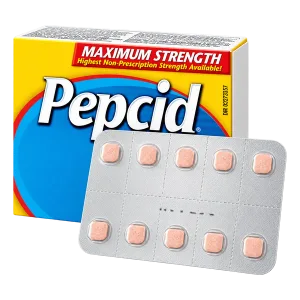
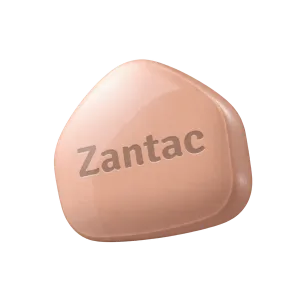
Acid-reducing treatments do different jobs. A PPI such as Nexium is often selected when symptoms are frequent, reflux is documented, or healing of acid-related injury is required.
| Treatment category | Main action | Typical role |
|---|---|---|
| Proton pump inhibitors | Suppress the stomach’s final acid-production step | Persistent reflux, oesophagitis, ulcer prevention in selected patients |
| H2-receptor blockers | Reduce histamine-driven acid release | Milder or intermittent symptoms, often nocturnal symptoms |
| Antacids or alginates | Neutralise acid or form a reflux barrier | Rapid, short-term relief of occasional symptoms |
Antacids can ease discomfort quickly, yet their effect is brief. H2-receptor blockers can work sooner than a PPI for some people, though acid suppression is usually less sustained. PPIs are not designed as an instant remedy for a large meal or a late-night episode of reflux.
NICE guidance distinguishes frequent reflux requiring a treatment course from occasional symptoms that may respond to short-acting measures. [3] A PPI also has limitations: it can take several days to deliver its strongest effect, and long-term use needs a clear reason.
What doctors say
In clinical practice, doctors often separate occasional meal-related heartburn from established GORD. Occasional symptoms may not require sustained acid suppression. Recurrent symptoms, night-time waking, regurgitation, swallowing discomfort or known erosive oesophagitis create a stronger case for a PPI course.
A realistic expectation is gradual improvement. Burning may ease within the first days, while healing of inflamed oesophageal tissue takes longer. Doctors also look for the reason Nexium is being used: reflux control, ulcer healing, NSAID-related protection, or another confirmed acid-related indication.
The WHO Model List of Essential Medicines, published in 2023, includes acid-suppressing therapy as part of established gastrointestinal care. Choosing the right treatment still depends on the diagnosis, symptom pattern and interacting medicines.
Comparison
What customers often ask
How long does a Nexium course last, and is long-term use acceptable?
Course length depends on the condition being treated, the severity of symptoms and whether oesophageal inflammation or ulcer risk is present. NICE guidance published in 2019 supports stepping down to the lowest dose that controls symptoms once the initial treatment goal has been achieved. Longer treatment can be appropriate when there is a continuing clinical indication. Regular review is valuable because prolonged use can affect magnesium, vitamin B12 status and fracture risk in susceptible people.
Can Nexium affect driving, concentration or work with machinery?
Most people do not experience impaired concentration from esomeprazole. Dizziness, blurred vision or sleepiness can occur in a small number of users, and these symptoms can make driving or operating machinery unsafe. The MHRA’s 2023 product information for esomeprazole records these possible effects. If they occur, avoid driving and tasks requiring rapid judgement until you feel normal again.
Can Nexium be used by people under 18?
Use in children and adolescents depends on age, body weight, diagnosis and the specific formulation. The FDA’s 2022 prescribing information for esomeprazole includes paediatric uses for certain acid-related conditions, though adult dosing principles should not be applied directly to younger people. A child with recurrent heartburn, vomiting, poor growth or swallowing difficulty needs assessment for the cause. Adult capsules should not be treated as a default option for under-18s.
Which diet, exercise and habits help or hinder Nexium’s effect?
The 2022 American College of Gastroenterology guideline supports weight loss for people with GORD who are overweight and advises avoiding meals close to bedtime. Smaller evening meals, reduced alcohol intake, smoking cessation and head-of-bed elevation can reduce reflux pressure and night-time symptoms. Exercise supports weight management, though vigorous activity immediately after a large meal may provoke reflux in some people. Individual food triggers are best identified by a short diary rather than by permanently avoiding long lists of foods.
Can older adults use Nexium?
Older adults can use esomeprazole when there is a clear indication, yet they are more likely to use medicines that interact or to have conditions affecting bone health, kidney function or magnesium balance. The MHRA’s 2012 PPI safety advice is relevant where treatment is prolonged or fracture risk is already elevated. New dysphagia, anaemia, gastrointestinal bleeding, weight loss or persistent vomiting need prompt investigation at any age. Medication review is also useful when several prescriptions are taken daily.
Do you offer anonymous delivery?
Your order will be securely packed and shipped within 24 hours. This is exactly what your package will look like (images of an actual item sent). It has the size and look of a regular private letter (24x11x0.7 cm) and its contents cannot be seen.
Lifestyle measures for reflux control
Nexium works best when daily triggers are reduced. Reflux is often worsened by large evening meals, lying flat soon after eating, excess alcohol, smoking, obesity and foods that repeatedly trigger symptoms for the individual.
Useful measures include:
- finishing the evening meal at least three hours before lying down;
- raising the head end of the bed for troublesome night-time reflux;
- choosing smaller meals when large portions provoke symptoms;
- reducing alcohol if it triggers burning or regurgitation;
- stopping smoking, which can weaken the lower oesophageal sphincter;
- working towards gradual weight loss when excess weight contributes to reflux.
Food triggers vary. Spicy meals, coffee, chocolate, fizzy drinks, citrus and high-fat foods affect some people but not everyone. A short symptom-and-meal diary can identify repeat triggers without creating an unnecessarily restrictive diet.
How Buyers Rate Nexium
It helped the upper stomach burning, though it was not instant after a takeaway meal. Changing the time I ate in the evening made more difference than I expected.
The reflux was controlled, but I developed loose stools after a few weeks and needed the treatment reviewed. The capsule itself was easy to take, but I learned not to ignore new symptoms.
Sources
- European Medicines Agency (2023). Summary of Product Characteristics (SmPC) — esomeprazole.
- National Institute for Health and Care Excellence (2019). Gastro-oesophageal reflux disease and dyspepsia in adults: investigation and management.
- American College of Gastroenterology (2022). ACG Clinical Guideline for the Diagnosis and Management of Gastroesophageal Reflux Disease.
- Medicines and Healthcare products Regulatory Agency (2012). Proton pump inhibitors in long-term use: reports of hypomagnesaemia and increased risk of fracture.