I used the tablets during a spell of evening heartburn that had started after late meals. The burning settled over several days, though I also stopped eating close to bedtime. The biggest difference was keeping the evening meal earlier.
Zantac
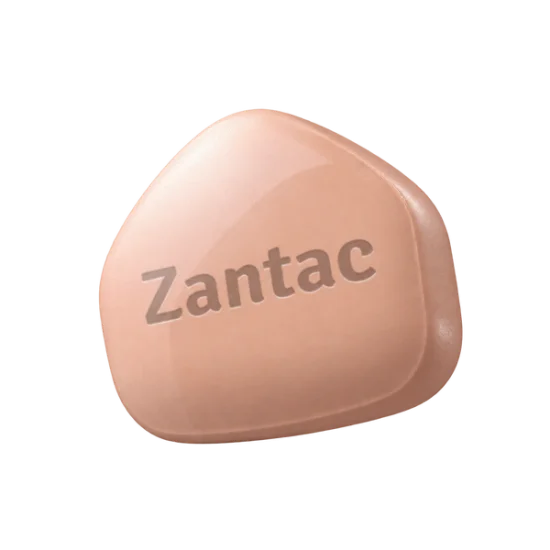
Reduced gastric acid secretion is the intended effect of Zantac tablets for adults troubled by heartburn, acid reflux symptoms, or ulcer-related discomfort. By lowering acid production, the treatment can help relieve burning and support recovery of irritated digestive tissue.
Overview
The treatment approach reduces the amount of acid produced in the stomach rather than simply coating it. This can ease burning behind the breastbone and allow irritated upper-digestive tissue to recover.
Directions for use
Zantac is taken by mouth as a tablet. Dosing differs between strengths and between users, so there is no single amount that suits everyone. The treatment schedule should match the reason for use, such as symptom relief at predictable times or sustained acid control for an ulcer-related condition.
For predictable meal-related discomfort, acid-reducing tablets are often timed before the trigger period rather than after severe burning has developed. A clinician may use a different schedule when symptoms occur mainly overnight, recur frequently, or are linked with confirmed ulcer disease.
- Swallow the tablet whole with water.
- Use the advised schedule consistently rather than doubling doses after symptoms return.
- Keep a brief record of night-time symptoms, trigger foods, alcohol intake, and use of anti-inflammatory painkillers.
- Tell a prescriber about kidney impairment, because H2 blockers can require altered dosing when renal clearance is reduced.
- Seek assessment if upper abdominal pain becomes severe, persistent, or different from usual indigestion.
People often expect one tablet to undo a large late meal immediately. It may reduce new acid secretion, yet it cannot remove food already in the stomach or correct reflux caused by lying flat soon after eating.
Formulation
Zantac is associated with ranitidine, an H2-receptor blocker used to reduce stomach acid production.
Ranitidine belongs to the H2 blocker class, alongside famotidine. This class differs from antacids, which neutralise acid already present, and from proton pump inhibitors, which suppress acid production more strongly and for longer.
The WHO ATC/DDD Index classifies ranitidine within medicines used for acid-related disorders and identifies it as an H2-receptor antagonist. FDA prescribing information for ranitidine also described its use in acid-related upper gastrointestinal conditions. [1]
Mechanism of action
H2 blockers act on histamine H2 receptors in the stomach lining. Histamine normally signals these cells to release acid after meals and overnight; blocking that signal lowers acid output.
The benefit is practical: less acid can mean less heartburn, less sour fluid rising into the throat, and reduced acid irritation around an ulcer. Acid control is not instant. The tablet does not form a physical barrier against reflux.
Therapeutic indications
Reduced gastric acid secretion is the intended effect of Zantac tablets for adults troubled by heartburn, acid reflux symptoms, or ulcer-related discomfort.
The treatment schedule should match the reason for use, such as symptom relief at predictable times or sustained acid control for an ulcer-related condition.
Common mistakes
Several avoidable habits reduce the chance of useful symptom control.
- Taking an extra tablet after forgetting an earlier dose.
- Combining several acid-reducing products without considering their different roles.
- Using acid suppression to cover ongoing use of ibuprofen, naproxen, or aspirin without discussing stomach protection.
- Assuming nausea, constipation, or stomach pain must be part of the original condition.
- Continuing self-treatment despite swallowing difficulty, black stools, anaemia, or worsening pain.
- Crushing or chewing tablets without confirming that the formulation allows it.
A tablet that is designed to be swallowed whole may not behave as intended if broken or crushed. This matters most when a formulation has a modified-release coating, since damaging it can alter how quickly the medicine reaches the bloodstream.
Reasons not to use it
Zantac is not for you if you have had an allergic reaction to ranitidine, another H2 blocker, or a tablet ingredient. It also needs individual medical review in people with impaired kidney function, a history of acute porphyria, significant liver disease, or unexplained recurrent upper-abdominal symptoms.
Changes in stomach acidity can alter how some medicines are absorbed. Ketoconazole is a key example because it needs an acidic stomach environment for reliable absorption; acid-reducing therapy may reduce its effect. Medicines with a narrow safety margin, including warfarin, phenytoin, theophylline, and certain anti-arrhythmics, merit an individual interaction review.
Paracetamol is not generally affected by gastric pH in the same way as ketoconazole. Gaviscon may be used for reflux symptoms, though leaving a gap between an alginate or antacid product and other oral medicines helps reduce the chance of altered absorption.
The MHRA Yellow Card Scheme supports reporting of suspected medicine side effects and interaction concerns, including reactions that appear after a medicine combination is started. [4]
When this is not for you
Do not use this medicine without medical advice if you have previously reacted badly to ranitidine or another H2 blocker. Ask a clinician for advice first if you have kidney or liver problems, acute porphyria, or unexplained repeated pain high in the abdomen.
Do not rely on acid suppression alone if you vomit blood, have black stools, persistent vomiting, worsening swallowing difficulty, anaemia, or unexplained weight loss.
Unwanted effects
Zantac and other H2 blockers have been associated with digestive and nervous-system side effects. Many people tolerate acid-reducing therapy without major difficulty, yet symptoms that seem minor at first can matter if they persist.
Reported effects linked with ranitidine have included:
- headache or dizziness;
- constipation or diarrhoea;
- nausea;
- stomach pain or abdominal discomfort;
- tiredness;
- skin rash or itching.
Constipation can be confusing because it may be mistaken for an ulcer symptom. Nausea and stomach pain can also reflect the condition being treated rather than the tablet itself, so a clear change after starting therapy is useful information for a clinician.
Stop taking the tablets and seek urgent medical care for facial swelling, wheezing, widespread blistering rash, fainting, yellowing of the skin or eyes, confusion, or a marked change in urine output. These reactions are uncommon, but they need assessment.
The EMA’s good pharmacovigilance guidance explains why suspected adverse reactions, including uncommon skin and systemic reactions, should be documented and reported through national medicine-safety systems. [3]

Comparison
Acid-related symptoms have several treatment approaches. The best option depends on whether symptoms are occasional, predictable, frequent, linked with oesophagitis, or associated with an ulcer diagnosis.
| Treatment approach | How it works | Typical role |
|---|---|---|
| H2 blockers: ranitidine or famotidine | Reduces histamine-driven gastric acid secretion | Intermittent or night-time acid symptoms |
| Proton pump inhibitors: omeprazole, pantoprazole, lansoprazole, esomeprazole | Blocks the gastric proton pump that releases acid | Frequent reflux, ulcer healing, confirmed acid injury |
| Alginate products: Gaviscon | Forms a floating barrier above stomach contents | Reflux after meals and when lying down |
Famotidine is another H2 blocker and works through the same receptor family as ranitidine. Proton pump inhibitors such as omeprazole, pantoprazole, lansoprazole, and esomeprazole usually provide deeper acid suppression, though they do not give immediate relief from a single dose. Gaviscon works differently: its alginate barrier helps limit reflux into the oesophagus and may be useful when burning follows meals or occurs on bending.
NICE guidance on dyspepsia and gastro-oesophageal reflux disease sets out H2 blockers and proton pump inhibitors as acid-suppression options, with the choice shaped by symptom pattern and clinical findings. [2]
A stronger acid suppressant is not automatically the better choice. Long-term therapy should have a clear reason, especially when symptoms change or continue despite treatment.
What doctors say
In clinical practice, doctors look beyond the word heartburn. They ask when symptoms occur, whether they are linked with food or lying down, whether anti-inflammatory painkillers are involved, and whether there are alarm features.
A short course may suit an isolated flare of reflux-like symptoms. Recurring symptoms need a clearer plan because repeated acid suppression can mask an ulcer, Helicobacter pylori infection, medicine-related irritation, or a non-digestive cause of chest discomfort. Persistent pain needs assessment.
Doctors also distinguish between a burning sensation after meals and regurgitation, where acidic fluid reaches the throat. The second pattern often responds better when dietary timing and body position are addressed alongside treatment.
Comparison
What customers often ask
How long does a course of Zantac usually last, and is long-term use acceptable?
The appropriate course depends on why acid reduction is needed and how symptoms respond. NICE guidance updated in 2019 supports reviewing ongoing acid-suppression treatment rather than allowing it to continue without a defined clinical reason. Repeated or persistent symptoms can need investigation for reflux disease, ulcer disease, Helicobacter pylori, or medicine-related irritation. Long-term use should be based on an individual prescriber review, especially if the original symptoms change. A review date helps keep that decision explicit.
Can Zantac be combined with ketoconazole or similar antifungal medicines?
Ketoconazole absorption depends on stomach acidity, so acid-reducing treatment can reduce the amount absorbed. The FDA’s 2017 prescribing information describes this interaction for medicines that raise gastric pH, making it a meaningful issue rather than a minor timing detail. A prescriber may select a different antifungal, adjust the treatment plan, or recommend a specific administration interval. Do not assume that separating the doses will fully remove the interaction.
What should I do if the expected result does not come?
If burning, regurgitation, stomach pain, or night symptoms do not improve, do not increase the number of tablets on your own. NICE’s 2019 dyspepsia guidance advises reassessment when symptoms persist or alarm features are present. A clinician may review other medicines, test for Helicobacter pylori, consider a different acid-reduction strategy, or investigate another cause. Urgent help is needed for vomiting blood, black stools, severe chest pain, or difficulty swallowing.
Can Zantac affect driving, concentration, or work with machinery?
Some people experience dizziness, headache, tiredness, or confusion while using H2 blockers. The MHRA’s 2021 guidance advises that anyone affected by a medicine’s side effects should not drive or operate machinery until they know how it affects them. Avoid high-risk tasks after a first dose if you feel light-headed or unusually drowsy. Alcohol can worsen dizziness and can also aggravate reflux symptoms.
What should I do after a missed Zantac dose?
Take the missed dose when you remember unless the next planned dose is close. Do not take two doses together to make up for the omission. The NHS medicine-use advice published in 2023 uses this same principle for many regularly scheduled oral treatments because double dosing can increase adverse effects without restoring the intended schedule. If doses are missed repeatedly, linking the dose to a regular daily activity may help.
What should I discuss with a doctor before starting Zantac?
Discuss prior allergy to H2 blockers, kidney disease, liver disease, acute porphyria, pregnancy, breastfeeding, and all regular medicines. Mention ketoconazole, anticoagulants, anti-seizure medicines, theophylline, and anti-inflammatory painkillers such as ibuprofen or naproxen. The WHO’s 2025 medicines-classification resources place H2 blockers among treatments for acid-related disorders, yet classification does not replace an individual interaction review. Also describe any alarm symptoms clearly.
Do you offer anonymous delivery?
Your order will be securely packed and shipped within 24 hours. This is exactly what your package will look like (images of an actual item sent). It has the size and look of a regular private letter (24x11x0.7 cm) and its contents cannot be seen.
How Buyers Rate Zantac
I had taken acid-reducing tablets for night discomfort for just over two weeks. They helped with the sour taste in my throat, but I still needed an appointment because the symptoms came back whenever I stopped.
After several days I had less burning after spicy food and could sleep more comfortably. I had mild constipation at first, which eased when I drank more water and changed my evening routine.
The tablets did not give the result I expected after a week. I had been treating what I thought was reflux, but the pain felt different and kept returning, so I arranged a medical review rather than taking more.
I used them during a short period of indigestion after meals. They were helpful for the burning feeling, although the effect was better when I avoided large meals and alcohol late in the evening.
Sources
- U.S. Food and Drug Administration (2017). Zantac (ranitidine hydrochloride) Tablets and Syrup: Prescribing Information.
- National Institute for Health and Care Excellence (2019). Gastro-oesophageal reflux disease and dyspepsia in adults: investigation and management.
- European Medicines Agency (2017). Guideline on good pharmacovigilance practices: Module V — Risk management systems.
- Medicines and Healthcare products Regulatory Agency (2021). The Yellow Card Scheme.