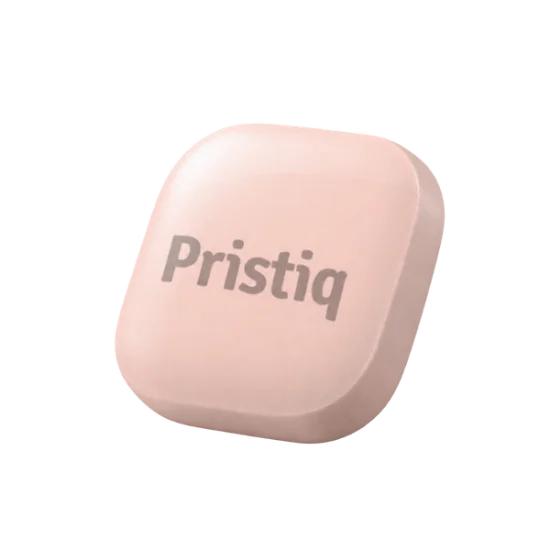
I took Pristiq for four months after struggling with low mood and concentration. The first fortnight brought nausea and dry mouth, then my sleep became more regular and I was managing work again by the second month.
Pristiq
Persistent low mood, loss of interest, poor concentration, disturbed sleep and low energy may be features of major depressive disorder. Pristiq contains desvenlafaxine, a serotonin-noradrenaline reuptake inhibitor antidepressant used in adults, and it works by increasing the availability of two signalling chemicals involved in mood regulation.
Overview
Active ingredient and pharmaceutical class
Desvenlafaxine is supplied as desvenlafaxine succinate in extended-release tablets. Extended-release means the tablet releases medicine gradually during the day rather than all at once. This supports once-daily dosing and steadier exposure.
Approved therapeutic use
Pristiq is used for major depressive disorder in adults. It is not designed to give an immediate lift in mood after the first tablet. The effect builds gradually.
Directions for use
Pristiq tablets are taken by mouth once daily at a consistent time. The amount per intake is set individually for each person rather than being one fixed number. Kidney function, age, symptom response and adverse effects can all influence the prescribed regimen.
- Swallow the tablet whole with water.
- Take it at the same time each day.
- Do not change the dose independently.
- Do not take two tablets to make up for a missed dose.
- Keep follow-up appointments after starting or changing treatment.
If a dose is missed, take it when remembered unless the next dose is due soon. In that situation, skip the forgotten dose and return to the normal schedule. Taking extra tablets can increase dizziness, nausea, blood-pressure changes and serotonergic adverse effects.
Older adults and people with reduced kidney function may need closer prescribing review.
Formulation
Pristiq contains desvenlafaxine succinate in extended-release tablets. Desvenlafaxine is a serotonin-noradrenaline reuptake inhibitor antidepressant. The extended-release form releases the medicine gradually during the day and supports once-daily use.
Mechanism of action
Desvenlafaxine slows the reuptake of serotonin and noradrenaline after these chemicals transmit a signal between nerve cells. More of each neurotransmitter remains available in the synapse, the tiny gap between nerve cells, for longer.
Serotonin has a role in mood, sleep, appetite and emotional processing. Noradrenaline is involved in alertness, motivation and concentration. Depression cannot be reduced to a simple chemical deficit, yet changing these signalling systems can reduce symptoms for some people.
Selective serotonin reuptake inhibitors, or SSRIs, mainly affect serotonin. SNRIs such as desvenlafaxine act on both serotonin and noradrenaline. This does not mean an SNRI is automatically better than an SSRI; tolerability and prior response vary greatly.
Serotonin and noradrenaline reuptake inhibition
Early changes may include altered sleep, nausea or restlessness before mood improves. Some people notice small improvements in energy or daily functioning first. Fuller benefit may take several weeks of consistent treatment.
A worsening mood, severe agitation, new suicidal thoughts or unusually impulsive behaviour needs urgent clinical contact. This is most relevant after starting treatment or after a dose change.
Relationship between desvenlafaxine and venlafaxine
Desvenlafaxine is the main active metabolite of venlafaxine. Both belong to the SNRI class, yet they are not interchangeable tablet-for-tablet and should not be swapped without a prescriber-led plan.
Self-directed switching can create gaps in treatment, overlapping serotonergic effects, or discontinuation symptoms. A clinician may consider kidney function, previous side effects, blood pressure and past antidepressant response before choosing between them.

Therapeutic indications
Pristiq is prescribed for adults with major depressive disorder when a clinician considers desvenlafaxine appropriate. It is an SNRI, meaning a serotonin-noradrenaline reuptake inhibitor. These medicines affect serotonin and noradrenaline signalling between nerve cells.
Depression is more than feeling sad for a few days. Symptoms can include persistent low mood, reduced enjoyment, changes in appetite or sleep, slowed thinking, fatigue, guilt and difficulty functioning at work or home. Treatment choice depends on symptom pattern, previous antidepressant response, physical health and other medicines.
The FDA prescribing information describes desvenlafaxine as an SNRI antidepressant for adult major depressive disorder, while treatment plans should include review of mood changes and safety concerns. [1]
Common mistakes
- Stopping after a few days because benefit is not immediate.
- Crushing or chewing the tablet.
- Doubling the next dose after forgetting one.
- Combining leftover antidepressants with Pristiq.
- Ignoring new agitation, suicidal thinking or manic symptoms.
- Failing to report repeated raised blood-pressure readings.
- Using alcohol to manage early insomnia or anxiety.
Combining old tablets with a new antidepressant is a common source of preventable interaction risk. Keep an up-to-date medicine list, including supplements and migraine treatments, for every clinical review.
Reasons not to use it
Pristiq is not for you if you have had hypersensitivity to desvenlafaxine, venlafaxine or a component of the formulation.
Other circumstances requiring a prescriber review include:
- uncontrolled high blood pressure or significant cardiovascular disease;
- bipolar disorder, past mania or hypomania;
- seizure disorders;
- narrow-angle glaucoma;
- low sodium levels or a history of hyponatraemia;
- kidney impairment;
- bleeding disorders or use of medicines that affect clotting;
- suicidal thoughts, self-harm risk or major behavioural change.
Monoamine oxidase inhibitors, known as MAOIs, must not overlap with desvenlafaxine. Examples include phenelzine and tranylcypromine.
When this is not for you
Do not restart Pristiq if you have previously had a serious allergic reaction to it, venlafaxine or one of its ingredients, including facial or throat swelling, a widespread rash or breathing difficulty. Talk to a prescriber before using it if you have high blood pressure, heart disease, bipolar disorder, seizures, narrow-angle glaucoma, low sodium, kidney problems, bleeding problems or thoughts of self-harm. You should also disclose medicines that affect clotting and any major behavioural change.
Unwanted effects
Desvenlafaxine can cause side effects, especially during the first weeks or after a dose change. Common effects include nausea, dizziness, headache, sweating, dry mouth, constipation, reduced appetite, insomnia, sleepiness and sexual difficulties such as reduced libido or delayed orgasm.
Stand up slowly if dizziness occurs. Regular fluids, small meals and taking the tablet consistently can make early nausea easier to manage. Do not drive or use machinery until you know whether Pristiq affects alertness or coordination.
| Symptom group | Practical response |
|---|---|
| Nausea, dry mouth, constipation | Use fluids, fibre and regular meals; seek advice if persistent |
| Dizziness, sleepiness, blurred concentration | Avoid driving and hazardous tasks until the effect is clear |
| Raised blood pressure, fast heartbeat | Report repeated readings, palpitations or severe headache |
| Sexual side effects | Raise the issue early; treatment options can be reviewed |
Serious reactions are uncommon but need fast action. Seek emergency help for facial swelling, breathing difficulty, fainting, a seizure, severe chest pain, or signs of serotonin syndrome such as fever, confusion, marked agitation, muscle rigidity, diarrhoea and a racing heart.
Desvenlafaxine may raise blood pressure in some people. It can also contribute to angle-closure glaucoma in susceptible individuals; sudden eye pain, halos around lights, a red eye or sudden visual changes require urgent assessment.
Comparison
Antidepressants are chosen by clinical history rather than by a universal ranking. Pristiq is an SNRI. SSRIs mainly target serotonin, while other SNRIs may have different metabolism, approved uses and tolerability patterns.
| Treatment class | Clinical considerations |
|---|---|
| Pristiq and other SNRIs | May affect serotonin and noradrenaline; monitor blood pressure, nausea, sweating and discontinuation symptoms |
| SSRIs | Mainly affect serotonin; may be considered where an SSRI is suitable, though sexual and gastrointestinal effects can still occur |
| Other antidepressant classes | May be selected according to sleep, anxiety, pain symptoms, interaction risk, previous response and coexisting conditions |
Venlafaxine and duloxetine are related SNRI options. Escitalopram, fluoxetine and sertraline are SSRIs. Dose equivalence should never be assumed between medicines from the same or different classes.
NICE guidance for depression in adults supports shared treatment planning that considers previous benefit, adverse effects, withdrawal risk, physical health and the person’s preferences. [2]
What doctors say
In clinical practice, prescribers look for a pattern rather than a single good or bad day. Better sleep can be encouraging, yet it does not by itself prove the depression has remitted. Function, safety, mood, anxiety and tolerability all matter.
Doctors also ask about blood pressure, sexual side effects and withdrawal symptoms because patients may hesitate to mention them. These concerns are clinically useful, not embarrassing details.
Comparison
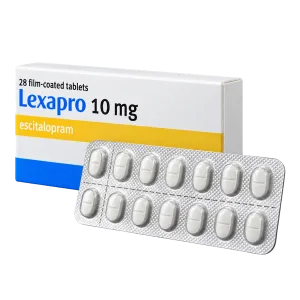
Lexapro
Pristiq Current
Sinequan
Tofranil
What customers often ask
Can Pristiq be used during pregnancy or while breastfeeding?
Use during pregnancy or breastfeeding requires an individual clinical assessment. Untreated depression can affect both parent and baby, while late exposure to SNRIs may lead to temporary neonatal adaptation symptoms. The UK Teratology Information Service, in its 2024 guidance, advises planned review rather than abrupt antidepressant discontinuation. Breastfeeding decisions should include infant monitoring and maternal mental-health stability. A clinician can revisit the plan as pregnancy or infant needs change.
How long does one Pristiq tablet keep working?
Pristiq is designed for once-daily use because the tablet releases desvenlafaxine gradually. Its antidepressant benefit depends on steady daily treatment, not on the effect of a single dose. The FDA prescribing information, revised in 2023, supports regular dosing rather than occasional use. Missing tablets may lead to discontinuation symptoms in some people.
What should I do if Pristiq does not give the expected result?
Do not increase the dose or add another antidepressant independently. A prescriber may review adherence, diagnosis, sleep, alcohol intake, interactions, physical illness and side effects before changing treatment. NICE depression guidance from 2022 supports reassessment when benefit is limited. Worsening depression, suicidal thoughts or severe agitation needs urgent contact.
Can I drive or operate machinery while taking Pristiq?
Desvenlafaxine may cause dizziness, sleepiness, blurred concentration or slower reactions, especially early in treatment. Avoid driving, cycling in traffic or using hazardous machinery until you know how it affects you. The MHRA’s 2021 medicines-safety guidance supports caution when antidepressant effects could impair alertness. Alcohol can make impairment more likely.
Can I drink alcohol while using Pristiq?
Alcohol can worsen dizziness, drowsiness, poor coordination and low mood. It may also make it harder to judge whether Pristiq is helping or causing side effects. The WHO, in its 2023 mental-health guidance, identifies alcohol reduction as relevant to depression care and medicine safety. Avoid using alcohol to cope with insomnia, anxiety or early treatment discomfort.
What should I do after missing a Pristiq tablet?
Take the missed tablet when remembered unless the next scheduled dose is close. If it is nearly time for the next dose, skip the missed tablet and continue the usual schedule. Do not take two tablets together. The FDA’s 2023 Pristiq prescribing information advises against doubling doses because it can increase adverse effects.
Do you offer anonymous delivery?
Your order will be securely packed and shipped within 24 hours. This is exactly what your package will look like (images of an actual item sent). It has the size and look of a regular private letter (24x11x0.7 cm) and its contents cannot be seen.
How Buyers Rate Pristiq
I had dizziness when I stood up too quickly during the first week. Taking the tablet at the same time each morning helped, and my prescriber kept an eye on my blood pressure.
My mood improved gradually over several weeks, but the constipation was frustrating and I was not sure Pristiq was worth continuing until I spoke with my prescriber.
I missed two doses while away and felt nauseous and unsettled. I did not double up, and I arranged advice before making any changes.
After three months, I felt less overwhelmed and could focus better in the mornings. I did need to discuss reduced libido at my review, but it was handled seriously.
Sources
- FDA (2023). Pristiq: Prescribing Information for desvenlafaxine extended-release tablets.
- NICE (2022). Depression in adults: treatment and management (NG222).