The first period was uncomfortable because my mouth was dry and I felt sleepy after taking it. By the fourth week, getting through work and preparing meals felt less difficult. I still needed help with constipation, so I did not increase anything myself.
Tofranil
Adults diagnosed with depression may be prescribed Tofranil when a tricyclic antidepressant is clinically appropriate. It acts within the central nervous system to influence mood-related signalling, while specialist use may also include nocturnal enuresis in children under strict medical supervision.
Overview
Tofranil is an established prescription treatment in the tricyclic antidepressant class. The United States prescribing information for Tofranil describes imipramine hydrochloride as the active pharmaceutical substance and sets out indication-specific warnings, administration information, and overdose risks [1].
Directions for use
Dosing differs between strengths and between users, so there is no single amount that suits everyone. Tofranil pills should be swallowed by mouth according to the prescribed schedule, with the timing selected by the clinician according to the indication and the person’s response.
Key administration principles include:
- Take each dose at the same planned time.
- Do not increase, reduce, or stop treatment without a prescriber’s direction.
- Swallow the pill with water unless a clinician has given different instructions.
- If a dose is missed, follow the individual instructions supplied by the prescriber rather than doubling the next dose.
- Avoid driving or operating machinery until the effect on alertness is clear.
- Keep children from accessing the medicine because tricyclic overdose can be life-threatening.
Treatment for depression may involve gradual dose adjustment. Older adults, people with cardiovascular disease, and patients taking several medicines often require a more cautious approach. Paediatric use for nocturnal enuresis needs a separate age-appropriate plan.
Do not compensate for a missed dose by taking two doses together. Extra imipramine can produce marked drowsiness, seizures, low blood pressure, dangerous heart-rhythm changes, or coma.
Formulation
The pills are taken orally. Strengths and treatment schedules can differ between patients, diagnoses, age groups, and clinical circumstances. A tablet strength suitable for an adult with depression is not automatically suitable for a child with nocturnal enuresis.
The United States prescribing information for Tofranil describes imipramine hydrochloride as the active pharmaceutical substance and sets out indication-specific warnings, administration information, and overdose risks [1].
Mechanism of action
Tofranil belongs to the tricyclic antidepressant class. Its principal antidepressant action involves reducing the reuptake of serotonin and norepinephrine at nerve endings. These chemical messengers remain available in the synaptic space for longer, which can gradually alter signalling networks involved in mood, attention, sleep, and emotional regulation.
Tricyclic medicines also affect other receptors. That explains several of their practical effects:
- Muscarinic receptor blockade can cause dry mouth, constipation, blurred vision, and difficulty passing urine.
- Histamine receptor blockade can produce drowsiness and increased appetite.
- Alpha-adrenergic receptor blockade can lead to dizziness when standing.
- Cardiac ion-channel effects can slow conduction and increase the risk of rhythm disturbance, especially after overdose or in predisposed patients.
The European Medicines Agency’s clinical guidance for depression describes antidepressant development around symptom improvement, relapse prevention, tolerability, and functional recovery rather than a single laboratory marker [3]. Tofranil’s effects therefore need to be judged through changes in mood, daily activity, sleep, and safety.
Therapeutic indications
Tofranil is an established prescription treatment in the tricyclic antidepressant class. Its best-known psychiatric use is depression, including major depressive disorder, where treatment aims to improve persistent low mood, loss of interest, sleep disturbance, reduced energy, and associated anxiety.
The medicine may also be used in selected psychiatric conditions when a clinician judges that its pharmacological profile fits the patient. It requires a planned treatment approach because its benefits develop gradually, while some unwanted effects can appear early.
Primary Indications for Depressive Disorders
Tofranil is intended for clinically significant depression rather than a short period of ordinary sadness. A doctor normally considers symptom severity, duration, previous treatment response, suicide risk, physical health, and other medicines before selecting a tricyclic antidepressant.
The treatment may improve mood, motivation, sleep, and emotional stability. It can also cause sedation, dry mouth, constipation, blurred vision, or postural dizziness, so the balance between benefit and tolerability needs review during dose adjustment. NICE guidance on depression in adults stresses regular assessment of response, adverse effects, and suicide risk during antidepressant treatment [2].
Paediatric Application in Nocturnal Enuresis
Tofranil has a specialised role in nocturnal enuresis, meaning repeated bedwetting during sleep. This use is different from treating depression and involves distinct clinical considerations.
Children require careful assessment before treatment. The clinician may review bladder symptoms, constipation, urinary infection, sleep patterns, diabetes symptoms, emotional wellbeing, and family history. Tricyclic treatment for bedwetting must be supervised because excessive dosing can affect the heart and nervous system.
Common mistakes
Several practical errors can reduce benefit or increase risk:
- Stopping after a few days because mood has not improved.
- Taking extra pills after a difficult night or a low mood.
- Combining treatment with alcohol, sedatives, or unreported medicines.
- Driving before knowing whether drowsiness or blurred vision occurs.
- Ignoring constipation, urinary difficulty, fainting, or irregular heartbeat.
- Sharing pills with a family member who has similar symptoms.
- Restarting the previous full schedule after missing treatment for several days.
- Assuming a child’s bedwetting dose can be used for an adult mood disorder.
- Crushing or altering a pill when the prescribed formulation requires swallowing it whole.
- Failing to mention a previous manic episode, seizure, glaucoma, or heart-rhythm problem.
Reasons not to use it
Tofranil is not suitable for everyone. The following situations require exclusion, specialist review, or a different treatment plan.
Contraindications
- Known allergy to imipramine or another tricyclic antidepressant.
- Concomitant use, or recent use, of a monoamine oxidase inhibitor.
- Recent heart attack or serious cardiac conduction disorder.
- Acute delirium or severe alcohol or sedative intoxication.
- Untreated narrow-angle glaucoma or significant urinary retention.
- A high risk of seizures that makes tricyclic treatment unsuitable.
Monoamine oxidase inhibitors include phenelzine and tranylcypromine. The combination can produce dangerous hypertension, severe agitation, fever, rigidity, seizures, or serotonin toxicity. A clinically defined washout period is needed when switching between a monoamine oxidase inhibitor and a tricyclic antidepressant; the exact interval depends on the medicines involved.
Other interactions may involve:
- Serotonergic antidepressants and certain migraine medicines, which can increase serotonin-toxicity risk.
- Medicines that prolong the QT interval or affect cardiac conduction.
- Opioids and sedatives, which may increase drowsiness and respiratory impairment.
- Anticholinergic medicines, which may worsen constipation, urinary retention, blurred vision, or confusion.
- Some medicines that alter liver enzymes and change imipramine exposure.
- Antihypertensives, which may intensify dizziness or low blood pressure.
When this is not for you
This medication may not be suitable for you if you have an allergy to imipramine or another tricyclic antidepressant, a serious heart problem, untreated narrow-angle glaucoma, significant difficulty passing urine, acute delirium, severe alcohol or sedative intoxication, or a seizure risk that makes tricyclic treatment unsuitable.
Tell the prescriber about epilepsy, bipolar disorder, liver disease, kidney disease, heart disease, glaucoma, urinary difficulty, pregnancy, breastfeeding, and previous suicidal thoughts. Also report every medicine you take, especially monoamine oxidase inhibitors, serotonergic antidepressants, migraine medicines, medicines affecting heart rhythm, opioids, sedatives, anticholinergic medicines, and antihypertensives.
Unwanted effects
Side effects reflect the way tricyclic antidepressants act on several receptor systems, not only the receptors involved in mood. Some effects settle as the body adapts. Others require a change in treatment.
Common or clinically recognised effects include:
| Effects that may occur | Symptoms requiring prompt medical attention |
|---|---|
| Dry mouth, constipation, blurred vision, sweating, drowsiness, dizziness, nausea, appetite change | Fainting, rapid or irregular heartbeat, severe confusion, seizure, severe allergic swelling, inability to pass urine |
| Headache, tremor, fatigue, sleep disturbance, difficulty concentrating | Severe agitation, new suicidal thoughts, extreme restlessness, high fever, muscle rigidity |
| Postural dizziness and reduced alertness | Chest pain, collapse, breathing difficulty, or suspected overdose |
Dry mouth can increase dental discomfort, while constipation may become troublesome in people who already have slow bowel movements. Drinking water does not always solve anticholinergic constipation, and persistent symptoms may need specific treatment.
Blurred vision deserves attention if it is painful or accompanied by halos, headache, nausea, or vomiting. These symptoms can indicate acute angle-closure glaucoma in susceptible people.
Alcohol may intensify sedation, impaired coordination, and poor judgement. Combining the two can also make it harder to recognise excessive drowsiness or confusion.
A practical detail is often missed: tricyclic overdose can affect the heart before the person appears severely unwell. Any suspected extra ingestion needs urgent medical assessment, even when symptoms seem mild.
Comparison
| Treatment approach | Main pharmacological profile | Common clinical trade-off |
|---|---|---|
| Tofranil and other tricyclic antidepressants | Influence serotonin and norepinephrine reuptake, with additional receptor effects | May help depression but can cause anticholinergic, sedative, cardiovascular, and overdose-related problems |
| SSRIs such as fluoxetine or sertraline | Primarily increase serotonin signalling | Often easier to use, though nausea, sleep changes, anxiety, and sexual dysfunction may occur |
| Other related options such as nortriptyline or venlafaxine | Nortriptyline is a tricyclic; venlafaxine mainly affects serotonin and norepinephrine | Choice depends on symptom pattern, blood pressure, cardiac risk, sedation, and previous response |
Nortriptyline may be considered when a tricyclic approach is wanted with a different tolerability profile. Fluoxetine and sertraline are commonly considered when a clinician prefers an SSRI approach. Venlafaxine also affects serotonin and norepinephrine, though its monitoring considerations differ.
The closest alternatives are not interchangeable tablet-for-tablet. Switching usually involves a planned reduction, washout, or cross-taper, depending on the medicines involved. Abrupt changes can produce withdrawal symptoms or loss of symptom control.
What doctors say
In clinical practice, doctors usually judge Tofranil by function as well as mood. Better sleep, improved self-care, increased participation in ordinary activities, and reduced hopelessness may appear before a person describes feeling fully recovered.
A prescriber will also watch for activation, worsening agitation, suicidal thinking, mania, fainting, palpitations, constipation, urinary difficulty, and excessive sedation. The first weeks deserve careful observation because adverse effects may appear before the full antidepressant benefit.
The World Health Organization’s mhGAP guidance supports structured assessment, follow-up, and attention to suicide risk when treating moderate or severe depressive illness [4]. This is especially relevant when treatment begins, when the dose changes, and when a person has recently stopped another antidepressant.
One clinical nuance matters: a person can feel more energetic before hopeless thoughts have improved. That change should be reported promptly if it comes with agitation, impulsivity, or suicidal thinking.
Comparison
Lexapro
Pristiq
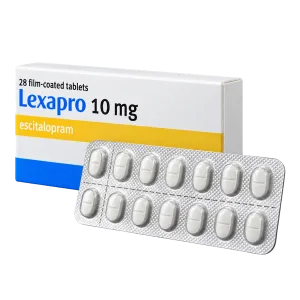
Sinequan
Tofranil Current
What customers often ask
How long does one dose of Tofranil keep working?
A single dose can influence alertness, dryness, and other receptor-related effects for many hours, while the antidepressant benefit depends on repeated treatment. The FDA prescribing information describes imipramine pharmacology and adverse effects, but it does not treat one dose as a complete antidepressant course. NICE guidance from 2022 supports reviewing response over time rather than judging the medicine after one tablet. The duration of noticeable effects varies with age, liver function, dose, and other medicines. A clinician may also use symptom scales and daily functioning to assess progress.
What happens after stopping Tofranil, and does it need tapering?
Stopping suddenly can cause nausea, headache, sleep disturbance, irritability, sweating, or a return of depressive symptoms. The Royal College of Psychiatrists, in its 2020 guidance, describes gradual reduction as a common way to reduce antidepressant withdrawal problems, with the pace adapted to the individual. A planned taper is especially relevant after prolonged treatment or a high prescribed dose. The prescriber should decide the reduction schedule rather than using a fixed timetable from another patient.
How does Tofranil differ from SSRI treatment?
Tofranil affects serotonin and norepinephrine reuptake and also blocks several other receptors. SSRIs such as sertraline and fluoxetine act more selectively on serotonin reuptake, so their adverse-effect patterns differ. EMA guidance from 2013 recognises that antidepressant selection involves efficacy, tolerability, comorbidity, and suicide-risk assessment. Tofranil may be considered when a tricyclic approach is appropriate, while an SSRI may be preferred when a simpler interaction and tolerability profile is desired.
Can alcohol be used while taking Tofranil?
Alcohol can add to Tofranil-related drowsiness, impaired coordination, dizziness, and poor judgement. The MHRA, in safety guidance published in 2014, has highlighted the need to consider sedative effects and medicine combinations when assessing antidepressant safety. Avoiding alcohol is the safer approach while the response to treatment is being established. Extra caution is needed with sleeping tablets, opioid painkillers, or other sedating medicines.
Which symptoms mean stopping and seeking urgent medical help?
Urgent help is needed for fainting, chest pain, a fast or irregular heartbeat, seizure, severe confusion, collapse, breathing difficulty, or suspected overdose. Severe agitation, high fever, muscle rigidity, or rapidly worsening suicidal thoughts also require immediate assessment. WHO guidance from 2015 places suicide-risk review and urgent escalation within safe management of depressive illness. Do not take another dose until urgent medical advice has addressed a serious reaction or suspected overdose.
Is Tofranil suitable for older adults?
Older adults may be more sensitive to dizziness, constipation, urinary retention, blurred vision, confusion, sedation, and cardiac conduction effects. The British National Formulary (2025) and MHRA safety principles support cautious prescribing, review of interacting medicines, and attention to falls risk in this age group. A lower starting schedule or slower adjustment may be selected by the prescriber. New confusion, unsteadiness, fainting, or palpitations should be reported promptly.
What should happen if the expected result does not come?
A lack of improvement should lead to a structured review rather than an unsupervised dose increase. The clinician may reassess the diagnosis, adherence, treatment duration, sleep, alcohol use, physical illness, bipolar symptoms, and other medicines. NICE guidance from 2022 recommends reviewing treatment response and considering an alternative strategy when depression does not improve sufficiently. Worsening hopelessness or suicidal thinking requires urgent assessment rather than waiting for the next routine appointment.
Do you offer anonymous delivery?
Your order will be securely packed and shipped within 24 hours. This is exactly what your package will look like (images of an actual item sent). It has the size and look of a regular private letter (24x11x0.7 cm) and its contents cannot be seen.
How Buyers Rate Tofranil
My sleep improved before my mood did. I felt light-headed when standing during the first week, especially after sitting for a long time. The prescriber adjusted the timing, and the dizziness became less troublesome, though the dry mouth remained.
I noticed some improvement in low mood, but palpitations and blurred vision worried me. The treatment was stopped after I reported them, and the symptoms were investigated. It was not a medicine I could continue comfortably.
Sources
- U.S. Food and Drug Administration (2007). Tofranil (imipramine hydrochloride) prescribing information.
- National Institute for Health and Care Excellence (2022). Depression in adults: treatment and management. NICE guideline NG222.
- European Medicines Agency (2013). Guideline on clinical investigation of medicinal products in the treatment of depression.
- World Health Organization (2015). mhGAP Intervention Guide for mental, neurological and substance use disorders in non-specialized health settings, Version 2.0.