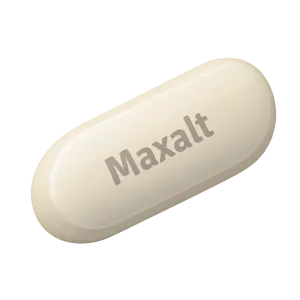
I used Sibelium for frequent migraines and noticed fewer headache days after several weeks. The first week brought heavy evening tiredness, so I stopped driving after work until I knew how it affected me.
Sibelium
It is taken as a regular preventive treatment, not as a rescue tablet during an established migraine attack. Sibelium tablets contain flunarizine, a selective calcium-entry blocker used in neurological practice.
Overview
Sibelium helps regulate calcium movement in nerve and blood-vessel cells. Its active substance, flunarizine, is used for migraine prevention and selected vestibular disorders involving vertigo.
Directions for use
Sibelium is supplied as tablets. The dose is decided individually, taking age, other medicines and health conditions into account.
The prescribed regimen may differ between migraine prevention and vestibular symptoms. It may also be adjusted for older adults, people with liver disease, or patients who develop excessive sleepiness or other adverse reactions.
Administration Principles
- Take the tablet exactly at the prescribed frequency.
- Use the same time each day unless the prescriber changes the schedule.
- Swallow it with water.
- Do not take an additional tablet to compensate for a missed dose.
- If a dose is missed, take the next scheduled dose unless a clinician has given different instructions.
- Do not stop prolonged treatment abruptly without a planned review, especially when migraine symptoms have improved.
No universal starting dose suits every person. Age, body weight, neurological history, liver function, concurrent medicines, and sensitivity to sedation all influence the regimen.
One practical point is easy to overlook: a tablet taken late at night can still cause morning grogginess. Patients who drive early, operate machinery, or work at height should allow time to understand their response before doing those activities.
Formulation
Sibelium tablets contain flunarizine as the active substance. Flunarizine helps regulate calcium movement in nerve and blood-vessel cells and is used in migraine prevention and selected vestibular disorders involving vertigo. The dose is decided individually according to age, other medicines, and health conditions.
Mechanism of action
Flunarizine reduces excessive calcium influx into cells, which can help limit vascular spasm and abnormal neuronal excitability associated with migraine. Its action differs from painkillers, which are taken after an attack begins.
Flunarizine belongs to the calcium channel blocker group, although its clinical use differs from medicines prescribed mainly for high blood pressure or heart rhythm disorders.
Migraine involves more than temporary head pain. Changes in nerve signalling, blood-vessel regulation, sensory processing, and inflammatory pathways can combine to produce an attack. By moderating calcium-dependent activity, flunarizine may reduce the tendency of the nervous system to trigger recurrent migraine episodes [1].
Therapeutic indications
Sibelium is prescribed when recurrent migraine requires preventive treatment or when vestibular symptoms form part of the clinical picture. The decision depends on attack frequency, symptom severity, previous treatment response, age, and coexisting conditions.
Preventative Management of Migraine Attacks
Migraine prevention aims to reduce the number of attacks, their intensity, or the need for acute medicines. Sibelium does not provide an immediate analgesic effect, so taking an extra tablet during an attack does not create a rapid rescue response.
Improvement is assessed over time rather than after one dose. A clinician may review headache frequency, nausea, light sensitivity, missed activities, and use of acute treatment before deciding whether the preventive plan is helping. Keeping a simple headache diary can make this review more accurate. Reviews should use the same measures each time. This approach helps distinguish gradual benefit from day-to-day variation.
The main limitation is that flunarizine is not suitable for every patient. Fatigue, increased appetite, weight gain, low mood, and movement-related symptoms can affect its acceptability, especially during prolonged use.
Management of Vestibular Vertigo and Balance Disorders
Vertigo describes a false sensation of movement, such as spinning or tilting. Sibelium may be used in selected vestibular conditions when abnormal sensory signalling contributes to dizziness or balance disturbance.
Treatment should be based on the cause of vertigo. Inner-ear disorders, migraine-associated vertigo, neurological disease, cardiovascular problems, and medication effects require different assessments. Persistent hearing loss, fainting, weakness, new speech difficulty, or severe sudden headache requires urgent medical evaluation rather than routine preventive treatment [2].
Common mistakes
Several practical errors can make Sibelium appear ineffective or poorly tolerated:
- Taking it only when a migraine begins.
- Taking an extra tablet after a missed dose.
- Combining it with alcohol during the first days.
- Driving before knowing whether it causes sleepiness.
- Ignoring new stiffness, tremor, slowed movement, or low mood.
- Continuing treatment without reviewing weight and daytime alertness.
- Stopping treatment immediately after improvement without a clinical plan.
- Assuming all dizziness is migraine-related.
One mistake deserves special attention: patients sometimes interpret increased sleep as proof that the medicine is working. Sedation is an adverse effect, not a measure of migraine prevention.
Another is overlooking other sedating products, including night-time cold remedies and some allergy medicines. The combined effect can be stronger than expected.
Reasons not to use it
The following situations require a prescriber’s decision before treatment begins:
- Current depression or a history of recurrent depression.
- Parkinson’s disease or other extrapyramidal movement disorders.
- Unexplained tremor, stiffness, or slowed movement.
- Previous serious reaction to flunarizine or a tablet ingredient.
- Significant liver impairment.
- Pregnancy or breastfeeding unless the expected benefit has been specifically assessed.
- Use of several medicines that cause sedation.
- A history of falls made worse by dizziness or impaired alertness.
Flunarizine may interact with alcohol, sedative medicines, sleep medicines, opioid pain medicines, and some medicines used for anxiety or epilepsy. These combinations can increase drowsiness, impaired coordination, and reduced reaction speed.
When this is not for you
Sibelium is not suitable for everyone. Tell the prescriber about antidepressants and medicines that affect mood. A patient with previous depression may need a different preventive approach because flunarizine can worsen depressive symptoms in susceptible individuals.
Sibelium may also be unsuitable when new movement symptoms are already present. A tremor that is dismissed as ordinary tiredness can become more obvious after treatment, so its timing should be recorded carefully.
Unwanted effects
Flunarizine can be tolerated well by some patients, while others stop it because of sedation, appetite changes, mood effects, or movement symptoms. The risk rises with individual susceptibility and longer exposure.
Common Systemic Reactions and Fatigue
Sleepiness, tiredness, reduced alertness, increased appetite, and weight gain are recognised concerns. Fatigue may be most noticeable after treatment begins or after a dose change. Taking the prescribed dose in the evening may reduce disruption during daytime hours, but it does not remove the risk of next-day drowsiness.
Other possible reactions include nausea, dry mouth, constipation, and discomfort related to appetite or weight changes. Alcohol and other sedating medicines can intensify reduced alertness.
Long-Term Tolerability and Dermatological Effects
Long-term treatment requires attention to mood, movement, and weight. Depression or emotional flattening can occur in susceptible patients. Rare neurological effects may include tremor, stiffness, slowed movement, or restlessness resembling parkinsonian symptoms.
Hair loss has also been reported with flunarizine, although it is less common than fatigue or appetite-related effects. New or progressive hair shedding should be discussed during a medication review, especially when accompanied by low mood, stiffness, tremor, or slowed walking.
Seek urgent medical help for severe allergic swelling, breathing difficulty, fainting, marked confusion, new weakness, or severe involuntary movements.

Comparison
Preventive treatment is selected according to the dominant symptoms and the patient’s medical profile. Flunarizine acts through calcium-channel modulation, while other options use different neurological or cardiovascular pathways.
| Treatment approach | Main active substance or mechanism | Typical clinical focus |
|---|---|---|
| Sibelium | Flunarizine; calcium-entry modulation | Migraine prevention and selected vestibular symptoms |
| Vestibular antihistamine approach | Cinnarizine; histamine-related vestibular suppression | Dizziness and balance symptoms |
| Beta-blocker approach | Propranolol; reduced adrenergic activity | Migraine prevention in suitable patients |
Cinnarizine may be considered when vestibular symptoms dominate, although sedation and appetite effects can also occur. Betahistine is a different vestibular treatment used in selected inner-ear disorders; it should not be assumed to provide the same preventive action as flunarizine.
Propranolol can be useful for migraine prevention when cardiovascular factors fit the treatment choice. Asthma, slow heart rate, low blood pressure, conduction problems, and some exercise limitations can influence whether a beta-blocker is appropriate.
Sibelium may appeal clinically when a calcium-modulating approach is preferred, but its disadvantages include sedation, weight gain, mood changes, and movement-related risks. The choice is a balance between migraine pattern, vertigo symptoms, cardiovascular status, psychiatric history, and tolerability.
What doctors say
In clinical practice, doctors usually judge Sibelium by the change in monthly migraine days rather than by whether one individual attack disappears. A preventive medicine needs consistent use and a planned review period before its value can be assessed.
A neurologist would also ask whether fatigue is a treatment effect or a symptom of poor sleep, depression, anaemia, or another condition. The distinction matters because simply increasing or continuing a sedating medicine may worsen daily functioning.
For vertigo, physicians first establish whether the symptom is rotational vertigo, light-headedness, imbalance, or faintness. Flunarizine has a place in selected neurological and vestibular presentations, but it does not replace assessment of cardiovascular or ear-related causes.
Older adults need closer observation because reduced clearance, polypharmacy, and fall risk can magnify sedation. The MHRA stresses the importance of recognising adverse drug reactions and reviewing treatment when symptoms change [3].
Comparison
What customers often ask
Does Sibelium cause hair loss?
Hair loss has been reported during flunarizine treatment, although it is not the reaction most patients experience. The British National Formulary (2025) describes flunarizine as a medicine requiring attention to neurological and psychiatric adverse effects, with individual tolerability varying between patients [4]. New hair shedding should be recorded with its timing and discussed during a medication review, especially if it occurs with low mood, tremor, or stiffness.
How does Sibelium differ from propranolol for migraine prevention?
Sibelium contains flunarizine and moderates calcium-dependent cellular activity, while propranolol is a beta-blocker that reduces adrenergic stimulation. NICE migraine guidance from 2021 recognises several preventive options, with selection shaped by comorbidities, contraindications, and adverse effects [5]. Propranolol may be unsuitable for some people with asthma, bradycardia, or low blood pressure, whereas flunarizine raises greater concern about sedation, weight gain, depression, and movement symptoms.
How long does a Sibelium course last, and is long-term use acceptable?
Treatment length is individual and depends on migraine frequency, benefit, side effects, and the result of scheduled reviews. NICE guidance from 2021 treats prevention as a monitored therapeutic trial rather than an automatic lifelong course. Long-term use may be acceptable for selected patients, but continued treatment should be reassessed because weight, mood, fatigue, and movement effects can emerge gradually.
Can older adults use Sibelium?
Older adults may use flunarizine only when the prescriber has considered falls, cognition, walking stability, liver function, depression history, and other medicines. WHO's Medication Without Harm initiative, launched in 2017, supports regular review when several medicines are used together. Drowsiness or slowed movement can have a larger practical effect in later life, so new balance problems, falls, or stiffness need prompt attention.
Which symptoms mean that Sibelium should be stopped and reviewed urgently?
Urgent assessment is needed for severe allergic swelling, breathing difficulty, fainting, severe confusion, new weakness, or marked involuntary movements. MHRA drug-safety information from 2024 advises prompt assessment when suspected adverse reactions are serious or rapidly worsening. New depression, suicidal thoughts, pronounced stiffness, tremor, or slowed movement also require prompt medical contact because these symptoms may indicate an important adverse reaction. Do not take another dose until urgent clinical advice has been obtained when a serious reaction is suspected.
Can alcohol be used while taking Sibelium?
Alcohol can add to flunarizine-related sleepiness, impaired coordination, and slower reactions. The MHRA's 2024 drug-safety information supports caution with combinations that increase sedation. This combination is most concerning during treatment initiation, after dose changes, and in older adults or people taking other sedatives. Avoid alcohol until the individual response is clear, and do not drive or operate machinery if alertness is reduced.
Do you offer anonymous delivery?
Your order will be securely packed and shipped within 24 hours. This is exactly what your package will look like (images of an actual item sent). It has the size and look of a regular private letter (24x11x0.7 cm) and its contents cannot be seen.
How Buyers Rate Sibelium
The vertigo spells became less disruptive during the course, but I gained weight and felt hungrier. My doctor reviewed the treatment rather than simply increasing the dose, which was helpful.
Sibelium reduced the number of migraines, but stiffness in my legs and slower movement developed later. I stopped taking it after urgent medical advice and the symptoms were investigated.
Sources
- European Medicines Agency (2018). Guideline on clinical investigation of medicinal products for the treatment of migraine.
- European Medicines Agency (2016). Guideline on clinical investigation of medicinal products for the treatment of vestibular disorders.
- Medicines and Healthcare products Regulatory Agency (2024). Drug safety update: monitoring and reporting suspected adverse drug reactions.
- British National Formulary (2025). Flunarizine: prescribing and adverse-effect information.
- National Institute for Health and Care Excellence (2021). Headaches in over 12s: diagnosis and management.