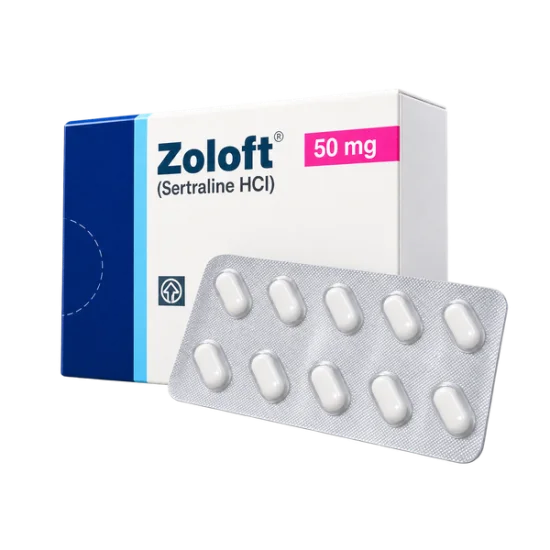
I started Zoloft after a long period of low mood and waking at 4 am. The first ten days brought nausea and a strange restless feeling, then both eased. By the second month I was functioning more normally at work and was not crying every evening.
Zoloft
Zoloft is a sertraline product for conditions including depression, obsessive-compulsive disorder, panic disorder, and post-traumatic stress disorder. Its regimen should be confirmed with a healthcare professional before starting, and consistent use supports its intended effect on serotonin signalling.
Overview
Zoloft contains sertraline hydrochloride per tablet. Sertraline belongs to the group called selective serotonin reuptake inhibitors, or SSRIs, which are antidepressants used for depression, obsessive-compulsive disorder, panic disorder, post-traumatic stress disorder, and social anxiety disorder.
Serotonin is a chemical messenger involved in mood, sleep, appetite, emotional processing, and anxiety responses. Nerve cells normally release serotonin into the synapse, the small gap between cells, then reabsorb much of it. Sertraline slows this reuptake process, leaving more serotonin available for signalling between nerve cells. [1]
The regimen for the chosen strength should be confirmed with a healthcare professional before treatment starts.
Directions for use
- Zoloft is taken as a tablet by mouth as part of a prescribed treatment regimen.
- Consistent use supports its intended effect on serotonin signalling in conditions including depression, obsessive-compulsive disorder, panic disorder and post-traumatic stress disorder.
- The prescribed dose, tablet strength, frequency, timing and treatment duration form part of the individual regimen established by a healthcare professional.
Formulation
Zoloft contains sertraline hydrochloride per tablet. Sertraline belongs to the group called selective serotonin reuptake inhibitors, or SSRIs, which are antidepressants used for depression, obsessive-compulsive disorder, panic disorder, post-traumatic stress disorder, and social anxiety disorder.
Serotonin is a chemical messenger involved in mood, sleep, appetite, emotional processing, and anxiety responses. Nerve cells normally release serotonin into the synapse, the small gap between cells, then reabsorb much of it. Sertraline slows this reuptake process, leaving more serotonin available for signalling between nerve cells. [1]
Pharmacological classification
SSRIs mainly act on the serotonin transporter. This distinguishes sertraline from medicines that primarily affect noradrenaline, dopamine, or both.
Zoloft does not create an immediate calming effect. The brain adapts gradually to altered serotonin signalling, which is why benefits often develop over several days rather than after the first tablet.
A practical detail matters here: sertraline tablets should be swallowed whole with water. Crushing or chewing can make the taste unpleasant and may make it harder to take the medicine consistently.
Mechanism of action
Serotonin is a chemical messenger involved in mood, sleep, appetite, emotional processing, and anxiety responses. Nerve cells normally release serotonin into the synapse, the small gap between cells, then reabsorb much of it. Sertraline slows this reuptake process, leaving more serotonin available for signalling between nerve cells. [1]
SSRIs mainly act on the serotonin transporter. This distinguishes sertraline from medicines that primarily affect noradrenaline, dopamine, or both.
Therapeutic indications
Zoloft is prescribed for several conditions where depression, fear, intrusive thoughts, or persistent anxiety interfere with daily life. The specific diagnosis shapes the starting plan, follow-up schedule, and expected response.
Common clinical uses include:
- Major depressive disorder, marked by persistent low mood or loss of interest.
- Obsessive-compulsive disorder, involving intrusive thoughts and repetitive behaviours.
- Panic disorder, with recurrent panic attacks and fear of further attacks.
- Post-traumatic stress disorder, often involving hypervigilance, nightmares, or distressing memories.
- Social anxiety disorder, where fear of scrutiny limits work, education, or relationships.
- Premenstrual dysphoric disorder, a severe cyclical mood condition linked to the menstrual cycle.
Common mistakes
Several avoidable patterns can make Zoloft harder to tolerate or less useful:
- Skipping tablets on days when symptoms feel better, then restarting unpredictably.
- Stopping suddenly because nausea or sleep changes occur in the first week.
- Increasing the dose without a prescriber’s plan after a difficult day.
- Combining sertraline with St John’s wort or a new migraine treatment without checking interactions.
- Assuming sexual side effects must simply be endured.
- Using alcohol to manage early anxiety or insomnia.
Taking the tablet at varying times can also create confusion. A missed morning dose followed by a late evening dose may disturb sleep and makes it harder to recognise whether symptoms are from the medicine, the condition, or inconsistent timing.
Reasons not to use it
Zoloft is not for you if you currently take a monoamine oxidase inhibitor, known as an MAOI, such as phenelzine, tranylcypromine, isocarboxazid, moclobemide, or selegiline used for depression. A washout period is needed between an MAOI and sertraline because the combination can produce dangerous serotonin excess.
Avoid Zoloft if you have had a serious allergic reaction to sertraline or one of its ingredients.
Extra care is needed in the following situations:
- Bipolar disorder or a previous manic episode, because antidepressants can trigger mania or hypomania.
- Epilepsy or a history of seizures.
- Bleeding disorders, or treatment with warfarin, aspirin, clopidogrel, ibuprofen, naproxen, or other anti-inflammatory painkillers.
- Glaucoma, especially narrow-angle glaucoma.
- Low blood sodium in the past, which is more likely in older adults and people taking diuretics.
- Significant liver impairment, since sertraline is processed in the liver.
Do not combine Zoloft with pimozide. Tell the prescriber about migraine triptans, tramadol, lithium, linezolid, St John’s wort, amphetamine-based medicines, and other antidepressants before starting sertraline.
When this is not for you
Do not take Zoloft with an MAOI or pimozide, and avoid it if you have had a serious allergic reaction to sertraline or its ingredients. Speak with a prescriber before use if you have bipolar disorder, seizures, glaucoma, bleeding problems, low blood sodium, or significant liver impairment, or if you take medicines or supplements that can affect serotonin or blood clotting.
Unwanted effects
Nausea is one of the most frequent early effects. Loose stools, indigestion, dry mouth, headache, dizziness, tiredness, sleep disturbance, sweating, tremor, and reduced appetite can also occur.
Some people feel a little more activated before they feel better. This may present as restlessness, vivid dreams, difficulty falling asleep, or a temporary increase in anxiety during the first one to two weeks. These effects often ease as the body adjusts, though persistent or severe symptoms need clinical review.
Sexual side effects deserve a direct discussion. Sertraline can reduce libido, delay orgasm, make orgasm difficult, and contribute to erectile dysfunction. These effects may improve after an adjustment period, yet they can persist for some people and should not be ignored. The FDA prescribing information lists nausea, diarrhoea, tremor, sweating, fatigue, insomnia, and sexual dysfunction among recognised adverse reactions. [2]
Less common effects include bruising more easily, especially when sertraline is combined with medicines that affect blood clotting. A new rash, facial swelling, wheezing, fainting, or severe confusion needs urgent medical assessment.
Risk Profile of Serotonin Syndrome
Serotonin syndrome is an uncommon but potentially life-threatening reaction caused by excessive serotonin activity in the central nervous system. The risk rises when Zoloft is used with other serotonergic medicines, including SNRIs, MAOIs, tramadol, lithium, triptans, linezolid, and St John’s wort.
Symptoms can build over hours and may include agitation, confusion, sweating, shivering, diarrhoea, fever, fast heartbeat, muscle twitching, tremor, overactive reflexes, or poor coordination. Severe toxicity can cause high fever, rigid muscles, seizures, or loss of consciousness.
| Early symptoms | Emergency symptoms |
|---|---|
| Tremor, sweating, diarrhoea, agitation | High fever, severe rigidity, seizures |
| Restlessness, fast pulse, enlarged pupils | Collapse, confusion, irregular heartbeat |
Serotonin syndrome is different from ordinary nausea or mild early anxiety. A cluster of mental, muscular, and temperature-related symptoms after adding or increasing another serotonergic medicine requires urgent assessment. The MHRA highlights clinically significant interactions between serotonergic medicines and advises caution with combinations that raise serotonin activity. [3]
Comparison
Zoloft is one SSRI option. Its main strength is broad use across both depression and anxiety-related conditions, while its limitations include gastrointestinal effects and sexual dysfunction.
| Treatment approach | Main feature | Typical consideration |
|---|---|---|
| Sertraline and other SSRIs | Increase serotonin signalling | Often used where depression and anxiety overlap |
| SNRIs | Affect serotonin and noradrenaline | May be considered when pain symptoms or low energy are prominent |
| Psychological therapy | Builds coping and behavioural skills | Can be used alone or alongside medication |
SSRIs are often selected when intrusive thoughts, panic, social fear, or low mood coexist. SNRIs may cause more noradrenergic effects, such as sweating or raised blood pressure in some people. Psychological therapy can address avoidance, thought patterns, trauma-related triggers, and relapse prevention without creating medicine-related adverse effects.
What doctors say
In clinical practice, prescribers usually set expectations early: Zoloft is taken every day, it is assessed over weeks, and the first few days do not predict the final outcome. A person with panic disorder may initially feel more aware of physical anxiety sensations, while someone with depression may first notice improved sleep or appetite before mood lifts.
Doctors also ask directly about sexual function before and during treatment. People are often reluctant to raise this issue, yet it strongly affects adherence and quality of life. A dose adjustment, timing change, or different treatment approach may be considered when sexual effects remain troublesome.
A common clinical mistake is judging treatment after only several doses. Sertraline needs time, while severe agitation, suicidal thoughts, mania, or suspected serotonin syndrome need assessment without delay.
Comparison
Lexapro
Pristiq
Sinequan
Tofranil
What customers often ask
Is sertraline safe during pregnancy and breastfeeding?
Sertraline can be used during pregnancy when the expected benefit outweighs potential risks, but the decision is individual and should include the severity of depression or anxiety, previous response to treatment, and relapse history. Untreated depression can also affect pregnancy, sleep, nutrition, and bonding. The MHRA’s 2024 product information for sertraline describes possible neonatal adaptation symptoms after late-pregnancy SSRI exposure, such as tremor, feeding difficulty, or breathing problems. Sertraline is often considered one of the preferred SSRIs during breastfeeding because milk levels are usually low, though an infant may still need observation for poor feeding or unusual sleepiness. Decisions should be reviewed with the prescribing clinician as pregnancy and feeding plans change.
Can Zoloft cause sexual dysfunction?
Yes, Zoloft can cause sexual dysfunction. Reduced desire, delayed orgasm, difficulty reaching orgasm, and erectile dysfunction are well-recognised SSRI effects. The FDA prescribing information updated in 2023 includes sexual adverse reactions among the effects clinicians should discuss before treatment. Symptoms can improve after early adjustment, though persistent changes should be raised with the prescriber rather than managed by skipping doses.
What should be discussed before starting Zoloft?
Before starting Zoloft, discuss previous antidepressant response, bipolar disorder or mania, seizures, glaucoma, bleeding problems, liver disease, pregnancy plans, and all medicines or supplements currently used. Mention alcohol intake and recreational substance use as well, since both can affect sleep, mood, and treatment safety. NICE guidance from 2022 also supports discussing likely benefits, possible adverse effects, withdrawal, and the person’s treatment preferences before antidepressants are started. This discussion should include whether therapy, medication, or a combined approach best fits the symptoms.
Can you drive or operate machinery while taking Zoloft?
Zoloft can cause dizziness, sleepiness, blurred concentration, or agitation during early treatment and after dose changes. Do not drive, cycle in traffic, operate machinery, or perform hazardous work until you know how the tablets affect you. The MHRA’s 2024 sertraline safety information advises caution where alertness and coordination are needed. Alcohol can make drowsiness and poor judgement worse, even when it does not cause obvious intoxication.
When should Zoloft be taken each day?
The best time is the time you can take Zoloft consistently. Morning is often practical when sertraline causes insomnia or vivid dreams, while evening may suit people who feel tired after taking it. NHS guidance reviewed in 2024 advises once-daily dosing and consistency rather than changing the timing repeatedly. If a dose is missed, take it when remembered unless the next dose is due soon; do not take two tablets together.
How long should Zoloft treatment continue?
A course often continues for at least six months after recovery from a depressive episode, while recurrent depression, OCD, PTSD, or chronic anxiety may require longer treatment. The right duration depends on symptom history, relapse risk, response, side effects, and personal preference. WHO guidance published in 2023 supports ongoing review of antidepressant treatment rather than automatic long-term prescribing without reassessment. Long-term Zoloft use can be appropriate when benefits remain clear and tolerability is acceptable, with any future reduction planned gradually.
Do you offer anonymous delivery?
Your order will be securely packed and shipped within 24 hours. This is exactly what your package will look like (images of an actual item sent). It has the size and look of a regular private letter (24x11x0.7 cm) and its contents cannot be seen.
How Buyers Rate Zoloft
My panic symptoms reduced, although I had loose stools for the first week and needed to take the tablet after breakfast. I also noticed delayed orgasm, which was awkward to discuss but important. My prescriber took it seriously and we agreed to monitor it rather than ignore it.
I had stopped and restarted tablets before, and that made me dizzy and irritable. This time I took it at the same time each morning and gave it a proper chance. My social anxiety did not vanish, but meetings and school events became manageable.
Sources
- FDA (2023). ZOLOFT (sertraline hydrochloride) prescribing information.
- NICE (2022). Depression in adults: treatment and management (NG222).
- MHRA (2024). Sertraline 50 mg film-coated tablets: Summary of Product Characteristics.