Skip to content
Diabecon

Diabecon

Quality products
24/7 Support
Fast delivery
Delivery from 4 days
Active ingredient Diabecon

Free delivery on orders from £ 166.00, free express delivery from £ 249.00

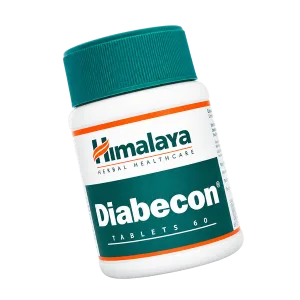
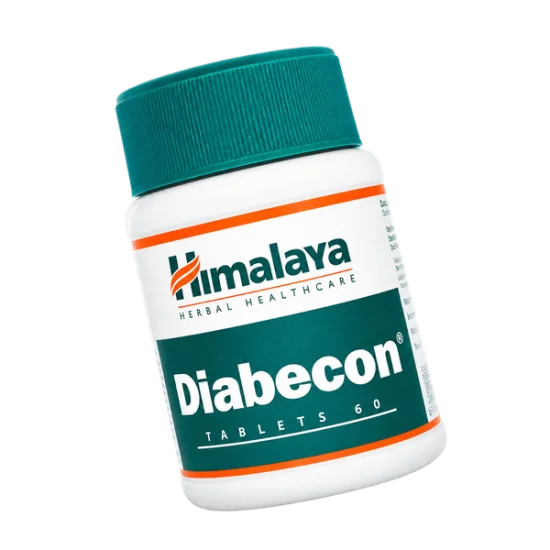
Tablets in a bottle, Diabecon is an Ayurvedic herbal formulation intended to support healthy blood sugar management in adults. It is used alongside diet, physical activity and prescribed diabetes care, with its role centred on metabolic support rather than replacing glucose-lowering treatment.

Overview

Diabecon is an Ayurvedic herbal formulation intended to support healthy blood sugar management in adults. It is used alongside diet, physical activity and prescribed diabetes care, with its role centred on metabolic support rather than replacing glucose-lowering treatment.

Diabecon contains 60 tablets per bottle and is designed for oral use. Its place in Diabetes Care is supportive: people with raised blood sugar may use it as part of a broader routine that includes regular meals, activity, blood glucose checks and any prescribed treatment.

Directions for use

Diabecon is supplied as tablets in a bottle containing 60 tablets. The formulation is intended for adults seeking herbal support within a diabetes-management routine.

The dose is decided individually, taking age, other medicines and health conditions into account. Tablets should be swallowed with water and used consistently within the agreed regimen rather than taken sporadically in response to a high reading.

Use Routine

  • Take Diabecon tablets orally with water.
  • Use the individually selected dose consistently.
  • Record blood glucose more frequently when introducing it alongside glucose-lowering treatment.
  • Continue prescribed diabetes treatment unless the prescriber changes it.
  • If a dose is missed, do not double the next dose.
A missed tablet is not a reason to take extra tablets later. Doubling any glucose-support approach can make a low reading harder to interpret when other diabetes medicines are involved.

Use Diabecon as an oral tablet formulation within an individually decided regimen. Age, kidney and liver health, food intake, glucose readings and other medicines all affect the appropriate approach.

Taking tablets at a similar point in the daily routine can reduce missed doses. Some people find linking the dose to a regular meal helps, yet meal timing should also reflect their prescribed diabetes medicines and usual glucose pattern.

Monitoring During Use

A glucometer measures capillary blood glucose from a finger-prick sample. It is useful for identifying patterns around meals, activity, illness and medicine changes, though interpretation should match the monitoring plan set for the individual.

HbA1c is a laboratory marker that reflects average glucose exposure over roughly two to three months. It does not replace day-to-day readings when hypoglycaemia is a concern, because an acceptable average can still conceal large swings.

Formulation

Diabecon is positioned as an Ayurvedic herbal product for metabolic support. Ayurveda uses multi-herb approaches traditionally aimed at supporting digestion, energy balance and glucose metabolism.

Claims that a herbal blend regenerates pancreatic beta cells or prevents diabetic complications should be treated cautiously. Human diabetes care still depends on measurable glucose control, cardiovascular risk management and regular screening.

Mechanism of action

The formulation’s proposed metabolic effects may involve antioxidant activity, effects on carbohydrate handling and support for insulin sensitivity. Improved insulin sensitivity can help tissues respond more effectively to insulin and may support lower post-meal blood glucose. These proposed effects are not equivalent to the standardised mechanisms or evidence base of licensed glucose-lowering medicines.

Therapeutic indications

Diabecon may suit adults who want herbal support alongside a structured plan for blood sugar control. For people with pre-diabetes, the strongest evidence-backed measures remain weight management where appropriate, regular physical activity and dietary changes that can be sustained over time.

For type 2 diabetes, prescribed treatment is selected according to glucose levels, cardiovascular and kidney status, body weight, risk of hypoglycaemia and other individual factors. NICE guidance places lifestyle measures, glucose monitoring where indicated and licensed medicines at the centre of type 2 diabetes management [2].

Potential benefits of a supportive herbal routine include greater engagement with self-monitoring and diet. The limitation is clear: a supplement cannot be relied upon to correct marked hyperglycaemia or replace treatment for diabetes mellitus.

Common mistakes

  • Taking a herbal tablet only after a large meal or high glucose reading, then expecting an immediate correction.
  • Reducing prescribed treatment without monitoring glucose trends.
  • Skipping meals while using insulin or sulfonylureas.
  • Treating a low reading with excess sugar, then reacting to the rebound high reading with extra medication.
  • Ignoring recurring thirst, blurred vision, foot numbness or unintentional weight loss.
  • Assuming a normal fasting reading means post-meal glucose is controlled.

One subtle mistake is testing immediately after touching fruit, jam or glucose tablets. Sugar on the fingertips can falsely raise a glucometer result; wash and dry hands before retesting.

Reasons not to use it

Diabecon is not a replacement for insulin or prescribed glucose-lowering tablets. This distinction matters most for people with established diabetes, since treatment changes can alter blood sugar control quickly.

The central practical risk is low blood sugar when Diabecon is combined with insulin or medicines that can cause hypoglycaemia. These include sulfonylureas such as gliclazide and glinides such as repaglinide.

Extra caution is needed with insulin, sulfonylureas and other medicines that lower blood glucose. Kidney or liver disease also requires individual review because these conditions influence glucose control and medication handling.

The MHRA advises that herbal medicines can interact with prescribed treatment and that adverse effects should be reported through the Yellow Card scheme [3].

Type 2 diabetes is the most common form, and its management aims to reduce glucose exposure over time while also protecting cardiovascular, kidney, eye and nerve health [1].

When this is not for you

Diabecon is not for you if:

  • you have had an allergic reaction to any component of the formulation;
  • you are experiencing recurrent unexplained low blood sugar;
  • you have type 1 diabetes and are considering it instead of insulin;
  • you have diabetic ketoacidosis or symptoms suggesting it, such as vomiting, deep rapid breathing, abdominal pain or marked drowsiness;
  • you are pregnant or breastfeeding without a clinician who has reviewed the full treatment plan.

Unwanted effects

Herbal tablets are often well tolerated, though digestive upset, nausea, loose stools, headache or an allergic reaction can occur. Stop use and seek urgent medical attention for swelling of the face or throat, wheezing, widespread rash, fainting or severe vomiting.

Comparison

Comparison with Diabetes Management Approaches

Approach Main role Key limitation
Lifestyle management Supports insulin sensitivity and weight management Benefits depend on sustained habits
Prescribed diabetes medicines Lower glucose through defined pharmacological mechanisms May cause side effects or hypoglycaemia, depending on the medicine
Diabecon tablets Herbal metabolic support alongside established care Evidence and response may vary between people

People with type 1 diabetes require insulin. Herbal products do not replace basal or mealtime insulin, and stopping insulin can lead to dangerous hyperglycaemia and diabetic ketoacidosis.

What doctors say

In clinical practice, doctors focus first on the numbers that predict risk: HbA1c, fasting and post-meal glucose where monitored, blood pressure, cholesterol, kidney function and body weight. A herbal product may be acceptable as an added routine when it does not delay proven care or obscure the need for treatment adjustment.

A clinician will usually ask whether low readings have occurred, whether meals are being skipped, and whether insulin or a sulfonylurea is part of the regimen. These details determine whether extra glucose-lowering support could create more risk than benefit.

The realistic expectation is gradual support, not an immediate correction of high glucose. Persistent readings above the agreed range need clinical review, even when the person feels well.

Comparison

Comparison table: Diabetes

What customers often ask

### Alcohol and Diabecon

Alcohol can make blood glucose less predictable, especially when insulin or sulfonylureas are also used. It may cause delayed hypoglycaemia because the liver prioritises processing alcohol instead of releasing stored glucose. Diabetes UK advised in 2025 that people using glucose-lowering treatment should avoid drinking on an empty stomach and remain alert for low-glucose symptoms. Diabecon does not remove these risks. People with diabetes should ask a clinician about alcohol limits.

### Combining Diabecon with Insulin

Combining Diabecon with insulin requires closer glucose monitoring because both may influence blood sugar levels. Insulin doses should not be reduced or skipped without a prescriber’s instruction, since uncontrolled glucose can become dangerous quickly. The WHO described insulin as essential treatment for type 1 diabetes and for many people with advanced type 2 diabetes in its 2023 diabetes fact sheet. Keep rapid-acting glucose available if low readings have occurred before.

### Digestive Upset and Diabecon

Some people can experience mild digestive upset, including nausea, abdominal discomfort or loose stools, when starting herbal tablets. Symptoms that are persistent, severe or accompanied by rash, swelling or breathing difficulty require stopping the product and seeking medical assessment. The MHRA’s 2024 herbal medicines guidance advises reporting suspected adverse reactions through the Yellow Card scheme. Taking a tablet within a consistent meal routine may be easier on the stomach for some users.

### Diabecon and Licensed Glucose-Lowering Medicines

Diabecon is a herbal metabolic-support product, while licensed glucose-lowering medicines have defined active substances, established dose ranges and formal clinical evidence for specified diabetes outcomes. Metformin, for example, improves insulin sensitivity and reduces hepatic glucose production; insulin directly replaces or supplements insulin action. NICE guidance updated in 2022 describes medicine selection for type 2 diabetes as individualised, based on cardiovascular and kidney risk as well as glucose control. Diabecon should be viewed as an adjunct rather than an equivalent substitute.

### Driving, Concentration and Machinery Use

Diabecon itself is not expected to impair concentration in the way sedating medicines can. Low blood sugar can severely affect attention, reaction time and judgement, regardless of whether it follows insulin, sulfonylureas, missed meals or another change in the regimen. The UK Driver and Vehicle Licensing Agency’s 2024 guidance stresses the importance of blood glucose awareness for drivers treated with medicines that may cause hypoglycaemia. Do not drive or use machinery when you have symptoms of low glucose or an uncorrected low reading.

### Stopping Diabecon and Tapering

Diabecon does not require tapering in the way some prescription medicines do. Stopping it does not replace the need to continue prescribed diabetes treatment, glucose monitoring or lifestyle measures. The EMA’s 2023 guidance on herbal medicinal products recognises that herbal preparations can still have pharmacological activity and interaction potential. If glucose readings change after stopping, review the full diabetes regimen rather than restarting or increasing products independently.

### Medical Review Before Starting Diabecon

Before starting, discuss your diabetes type, recent glucose and HbA1c results, insulin use, sulfonylurea use, kidney disease, liver disease, pregnancy plans and any history of low blood sugar. Bring a complete list of medicines and supplements, since interactions are easier to identify when nothing is omitted. WHO diabetes guidance published in 2023 highlights regular assessment for kidney, eye, nerve and cardiovascular complications as part of effective diabetes care. This review is also the right time to agree on which glucose readings should trigger action.

Do you offer anonymous delivery?

Your order will be securely packed and shipped within 24 hours. This is exactly what your package will look like (images of an actual item sent). It has the size and look of a regular private letter (24x11x0.7 cm) and its contents cannot be seen.

How Buyers Rate Diabecon

4
Based on 3 reviews
Ryan K., 68
Liverpool
Eight weeks
Verified
Rating: 5 out of 5

Liverpool, used Diabecon tablets for eight weeks alongside his established diabetes routine: “I kept a notebook of my morning readings rather than judging it by how I felt. The routine was easy to keep, but I did not alter my prescribed tablets. My readings were steadier after I also stopped skipping breakfast.”

17 Oct 2026
Jonathan D., 60
Aberdeen
Six weeks
Verified
Rating: 4 out of 5

Aberdeen, used Diabecon tablets for six weeks: “I had mild stomach discomfort during the first few days, which settled after I took the tablet with food. The main useful change was that it made me more disciplined about checking my glucose. It was not a quick fix.”

30 Oct 2026
Paul, 62
Reading
One month
Verified
Rating: 3 out of 5

Reading, used Diabecon tablets for one month alongside dietary changes: “I expected a big difference in the first week and did not get one. My nurse explained that the HbA1c result mattered more than one reading. I continued with my normal treatment and focused more on evening meals.”

12 Nov 2026

Sources

  1. World Health Organization (2023). Diabetes
  2. National Institute for Health and Care Excellence (2022). Type 2 diabetes in adults: management (NG28)
  3. Medicines and Healthcare products Regulatory Agency (2024). Herbal medicines: guidance for consumers
Get our free app Shop faster and track your orders 3.9 · 433 reviews Install