Skip to content
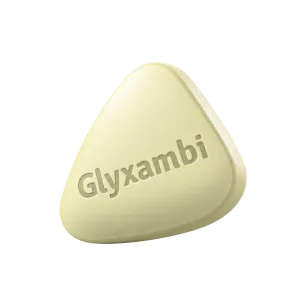
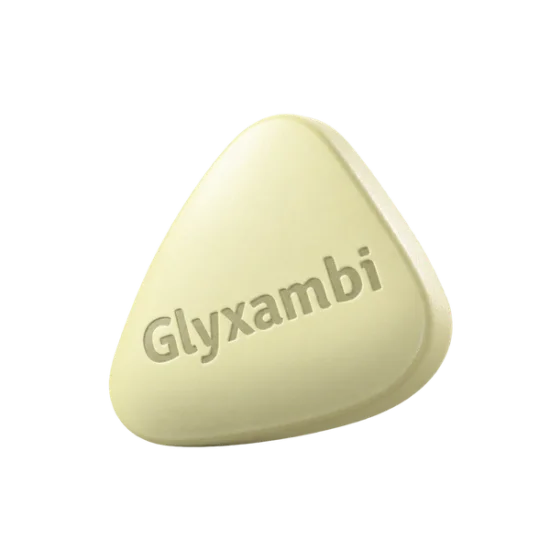
Glyxambi

Glyxambi

Quality products
24/7 Support
Fast delivery
Delivery from 4 days
Active ingredient Empagliflozin, Linagliptin

Free delivery on orders from £ 166.00, free express delivery from £ 249.00

Glyxambi is used for adults with type 2 diabetes who need improved blood-glucose control alongside diet and physical activity. It combines empagliflozin and linagliptin, which lower glucose through complementary kidney and incretin pathways.

Overview

Glyxambi is a prescription fixed-dose combination tablet containing empagliflozin and linagliptin. Empagliflozin belongs to the sodium–glucose cotransporter 2 inhibitor class. Linagliptin is a dipeptidyl peptidase-4 inhibitor. Together, they address blood glucose through two different physiological routes.

Directions for use

Glyxambi is taken as an oral tablet once daily, with or without food. The prescriber confirms the appropriate strength before treatment starts, based on current glucose control, previous diabetes therapy, kidney function, and tolerability.

The tablet should be swallowed as prescribed. It should not be doubled after a missed dose. If the next scheduled dose is near, the missed dose is generally omitted rather than taken together with the next one.

The correct regimen depends on the strength selected by the prescriber. The two active substances are supplied together in a fixed-dose tablet, so changing the amount of one component independently is not possible with the same tablet.

Available Tablet Formulations and Strengths

Glyxambi tablets contain empagliflozin and linagliptin in a fixed combination. The exact chosen strength is confirmed by the healthcare professional before initiation.

Practical administration points include:

  • Take the tablet at the same time each day.
  • Food is not required for absorption.
  • Drink enough fluid to reduce dehydration risk, unless a clinician has prescribed fluid restriction.
  • Do not crush or split the tablet unless the prescribing instructions specifically allow it.
  • Do not take two tablets to compensate for a missed dose.
  • Tell the prescriber about vomiting, diarrhoea, prolonged fasting, or a planned operation.
A useful routine is to link the tablet with a regular daily activity, such as brushing your teeth or eating breakfast. If illness prevents normal eating and drinking, contact the diabetes team promptly because temporary interruption may be needed.

Formulation

Glyxambi is a prescription fixed-dose combination tablet containing empagliflozin and linagliptin. Empagliflozin is a sodium–glucose cotransporter 2 inhibitor, while linagliptin is a dipeptidyl peptidase-4 inhibitor. Together, these active substances address blood glucose through complementary kidney and incretin pathways.

Mechanism of action

Empagliflozin inhibits the sodium–glucose cotransporter 2 in the kidneys, reducing glucose reabsorption and increasing urinary glucose excretion. Linagliptin inhibits dipeptidyl peptidase-4, increasing incretin activity and supporting glucose-dependent insulin release while reducing inappropriate glucagon activity. Together, these complementary pathways help lower blood glucose.

Therapeutic indications

Glyxambi is intended for adults with type 2 diabetes mellitus when one treatment alone does not provide adequate glycaemic control, or when combination treatment is clinically appropriate from the start. The medicine is used alongside dietary measures and regular physical activity, not as a replacement for them.

Indication Criteria for Adults with Type 2 Diabetes

Combination therapy is considered when fasting glucose, post-meal glucose, or glycated haemoglobin remains above the individual treatment target despite appropriate lifestyle measures and existing therapy. A prescriber also considers kidney function, cardiovascular history, hydration status, other medicines, and the person’s risk of hypoglycaemia.

The European Medicines Agency product information describes Glyxambi as an adjunct treatment for adults with type 2 diabetes requiring additional glucose lowering [1].

Common mistakes

The following errors can reduce benefit or increase risk:

  • Taking an extra tablet after forgetting the previous dose.
  • Continuing treatment through severe vomiting or diarrhoea without seeking advice.
  • Drinking too little because increased urination is inconvenient.
  • Ignoring genital itching, painful urination, or unusual discharge.
  • Assuming a normal-looking glucose value excludes ketoacidosis.
  • Failing to mention insulin, glimepiride, glyburide, glipizide, or diuretics.
  • Stopping diet and physical activity measures after starting the tablet.
  • Restarting the medicine immediately after surgery without confirming the plan.
  • Treating shakiness or sweating as anxiety instead of checking for hypoglycaemia.
  • Using Glyxambi for type 1 diabetes or as emergency treatment for ketoacidosis.
Keep a simple record of glucose readings, unusual thirst, urinary symptoms, vomiting, and missed doses. Patterns are often more useful to the prescriber than one isolated reading.

Reasons not to use it

Glyxambi is not suitable for everyone. The prescriber assesses allergies, kidney function, hydration, diabetes type, previous ketoacidosis, and the full medicine list before treatment.

Renal function should be assessed before treatment and reviewed during follow-up. Empagliflozin’s glucose-lowering action depends on filtration, while reduced kidney function can increase the complexity of fluid and adverse-effect monitoring.

Pregnancy and breastfeeding require a separate treatment decision because glucose control remains essential, yet the safety profile of empagliflozin and linagliptin may not suit these periods. The Medicines and Healthcare products Regulatory Agency advises careful review of medicine exposure during pregnancy and lactation.

When this is not for you

Glyxambi Is NOT for You If

  • You have had a serious hypersensitivity reaction to empagliflozin, linagliptin, or an excipient in the tablet.
  • You have type 1 diabetes.
  • You have active diabetic ketoacidosis.
  • You require dialysis or have kidney failure where the medicine is not clinically appropriate.
  • You are severely dehydrated or unable to maintain fluid intake.
  • You have a history of serious ketoacidosis associated with an SGLT2 inhibitor.
  • You are undergoing major surgery or have an acute serious illness requiring temporary treatment changes.

Unwanted effects

The most relevant adverse effects reflect empagliflozin’s effect on urinary glucose and fluid balance, together with the person’s other diabetes medicines. Urinary tract infection, genital fungal infection, increased urination, thirst, and dehydration can occur.

Nasopharyngitis has also been reported with linagliptin-containing treatment. Mild symptoms may settle, but fever, flank pain, painful urination, or rapidly worsening genital discomfort needs prompt medical assessment.

Common Adverse Reactions in Clinical Trials

Possible effects include:

  • Increased urination.
  • Thirst or dry mouth.
  • Urinary tract infection.
  • Genital candidiasis.
  • Nasopharyngitis.
  • Constipation.
  • Dizziness related to reduced circulating fluid.
  • Mild gastrointestinal symptoms.

Older adults, people taking loop or thiazide diuretics, and those with low blood pressure may be more vulnerable to volume depletion. Standing up slowly can reduce light-headedness, though persistent dizziness requires review.

A small but important practical detail is that genital irritation may first appear as itching or soreness rather than pain. Early treatment reduces the chance of progression.

Risk of Hypoglycaemia and Metabolic Complications

Glyxambi alone has a relatively low risk of causing hypoglycaemia. The risk increases when it is taken with insulin, glimepiride, glyburide, glipizide, or another sulphonylurea. Symptoms of low glucose include sweating, tremor, hunger, palpitations, confusion, blurred vision, and unusual weakness. Severe hypoglycaemia can cause seizures or loss of consciousness. Empagliflozin can rarely contribute to diabetic ketoacidosis, sometimes with glucose levels that are not extremely high. Warning symptoms include nausea, vomiting, abdominal pain, deep or rapid breathing, severe tiredness, and confusion. The medicine should be stopped and urgent medical care obtained if these symptoms occur.

Do not ignore repeated vomiting or abdominal pain simply because a glucose reading is not very high. Euglycaemic ketoacidosis can occur with less dramatic glucose elevation than expected.

Comparison

Glyxambi differs from single-agent diabetes treatment because it combines renal glucose excretion with incretin-based regulation. The choice depends on kidney function, cardiovascular and renal status, hypoglycaemia risk, body-weight goals, and the person’s existing medicines.

Treatment approach Main mechanism Practical distinction
Glyxambi SGLT2 inhibition plus DPP-4 inhibition Two complementary glucose-lowering pathways in one tablet
Metformin-based treatment Reduced hepatic glucose production and improved insulin sensitivity Often used as a foundation treatment when tolerated
Insulin or sulphonylurea treatment Increased insulin activity Can lower glucose strongly but may increase hypoglycaemia risk

Glyxambi may be considered when additional glucose lowering is required and the person is suitable for both active substances. It may be unsuitable when kidney function, recurrent dehydration, ketoacidosis risk, or intolerance to either component creates a safety concern.

What doctors say

In clinical practice, prescribers often assess the patient’s fluid status before choosing an SGLT2 inhibitor combination. A person with frequent dehydration, recurrent genital infections, low blood pressure, or unstable kidney function may need a different approach.

Doctors also look beyond a single glucose reading. HbA1c, home glucose patterns, weight change, blood pressure, kidney markers, illness episodes, and treatment adherence all help determine whether Glyxambi is working as intended.

One common mistake is to judge the medicine only by how the patient feels. Type 2 diabetes can remain poorly controlled without causing obvious symptoms, so follow-up blood tests remain necessary.

A second clinical observation concerns sick-day management. Vomiting, diarrhoea, prolonged fasting, or a major operation may increase ketoacidosis and dehydration risk. The treatment plan should specify when Glyxambi is paused and when it is restarted.

Comparison

Comparison table: Diabetes

What customers often ask

How long does one Glyxambi dose keep working?

Glyxambi is designed for once-daily use, with glucose-lowering activity maintained across the dosing interval. The EMA product information describes daily administration of the fixed combination, while the 2025 NICE guidance stresses regular use as part of an individualised diabetes plan. Do not take an additional tablet because glucose rises later in the day.

Can older adults use Glyxambi?

Older adults may use Glyxambi when kidney function, blood pressure, hydration, and concurrent medicines have been assessed. The MHRA safety approach in 2025 highlighted the need to consider volume depletion and renal monitoring in people more vulnerable to dizziness or acute kidney injury. Age alone does not decide suitability, but diuretics, frailty, and reduced thirst can increase treatment risks.

Which diet, exercise, or habits help Glyxambi work well?

Regular meals, appropriate carbohydrate planning, physical activity, and adequate fluid intake support diabetes control during Glyxambi treatment. The WHO diabetes guidance published in 2025 supports sustainable activity and dietary patterns rather than extreme fasting or crash diets. Prolonged fasting, heavy alcohol intake, dehydration, and strenuous exercise during poor food intake can increase metabolic risk.

How does Glyxambi differ from metformin?

Glyxambi combines empagliflozin’s kidney-mediated glucose excretion with linagliptin’s incretin-based action, whereas metformin mainly reduces hepatic glucose production and improves insulin sensitivity. The 2024 EMA product information describes these as different pharmacological pathways, so clinicians may use them sequentially or together when appropriate. The choice depends on kidney function, tolerability, cardiovascular and renal considerations, and the existing treatment plan.

Which condition rules Glyxambi out?

Active diabetic ketoacidosis rules Glyxambi out as a treatment because the medicine cannot replace emergency insulin, fluids, and electrolyte management. The 2024 EMA product information also identifies hypersensitivity and clinically unsuitable severe renal impairment as reasons for avoidance or reassessment. Symptoms such as vomiting, abdominal pain, rapid breathing, and marked weakness require urgent medical evaluation.

What happens when Glyxambi is stopped, and does it need tapering?

Glyxambi is not generally tapered in the same way as medicines that cause physiological withdrawal syndromes. Stopping it can allow blood glucose to rise, especially if no replacement treatment is started. NICE guidance from 2025 supports arranging an alternative glucose-control plan and monitoring rather than stopping treatment without a replacement strategy.

Do you offer anonymous delivery?

Your order will be securely packed and shipped within 24 hours. This is exactly what your package will look like (images of an actual item sent). It has the size and look of a regular private letter (24x11x0.7 cm) and its contents cannot be seen.

How Buyers Rate Glyxambi

3.3
Based on 4 reviews
John L., 46
Oxford
The first few weeks
Verified
Rating: 3.5 out of 5

I used my prescribed once-daily Glyxambi dose after metformin alone was no longer enough. During the first few weeks I urinated more often, so I moved the dose to the morning. My readings improved, but I needed to drink more carefully on workdays.

10 Oct 2026
Stephen F., 61
Aberdeen
About two months
Verified
Rating: 3.5 out of 5

After taking my prescribed once-daily Glyxambi dose for about two months, my HbA1c had fallen and I felt less tired after meals. I also had one episode of dizziness when I was taking a diuretic and not drinking much. The treatment plan was adjusted rather than stopping everything.

25 Oct 2026
Mark D., 33
Bournemouth
Several weeks
Verified
Rating: 3.5 out of 5

After taking my prescribed once-daily Glyxambi dose for several weeks, the tablet fitted easily into my routine and I did not notice low sugars while taking it with my usual treatment. I disliked the extra thirst during exercise, and I had to plan fluids more sensibly.

28 Oct 2026
Paul G., 34
Bradford
Several weeks
Verified
Rating: 2.5 out of 5

After taking my prescribed once-daily Glyxambi dose for several weeks, I missed a dose and took two the next morning, which caused sweating and shakiness because I was also using another diabetes medicine. The episode settled after urgent advice, but I no longer double doses.

7 Nov 2026

Sources

  1. European Medicines Agency (2023). Glyxambi: European public assessment report and product information.
Get our free app Shop faster and track your orders 3.9 · 425 reviews Install