Skip to content
Januvia

Januvia

Quality products
24/7 Support
Fast delivery
Delivery from 4 days
Active ingredient Sitagliptin

Free delivery on orders from £ 166.00, free express delivery from £ 249.00

It supports blood-glucose control alongside an eating plan and physical activity by extending the action of incretin hormones. These hormones help the body release insulin when glucose rises after meals. Follow-up glucose measurements help assess the response.

Overview

Taken by mouth once daily, Januvia contains sitagliptin for adults with type 2 diabetes.

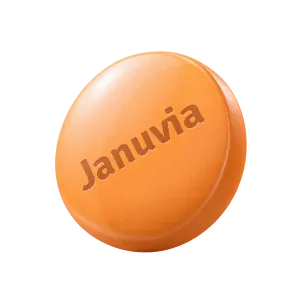
Januvia is a tablet containing sitagliptin, supplied as sitagliptin phosphate monohydrate. Sitagliptin belongs to the dipeptidyl peptidase-4 inhibitor class, usually shortened to DPP-4 inhibitors or gliptins.

Directions for use

Januvia tablets are taken orally once daily. The amount used depends on the treatment plan and kidney function, and is agreed with a doctor or pharmacist.

Swallow the tablet whole with water. Januvia can be taken with food or on an empty stomach. Aim for the same time each day so blood-glucose treatment remains consistent.

  • Take one daily dose as prescribed.
  • If a dose is missed, take it when remembered unless the next daily dose is due soon.
  • Do not take two doses together to make up for a missed tablet.
  • Do not alter the dose because home glucose readings vary on one day.
  • Kidney function should be assessed before treatment and during ongoing use, since reduced kidney clearance changes sitagliptin exposure. [1]
Do not use a single high reading as a reason to take an extra tablet. Illness, missed meals, stress, steroids, and reduced activity can all raise glucose temporarily, while doubling a dose creates avoidable risk.

Formulation

The salt form helps formulate sitagliptin into a stable oral tablet. Its therapeutic role comes from sitagliptin itself, which acts on the DPP-4 enzyme rather than directly supplying insulin.

Sitagliptin and blood-glucose management

Sitagliptin works with the body’s normal post-meal hormonal response. It does not replace insulin, and it does not force the pancreas to release insulin continuously.

This glucose-dependent action is useful in type 2 diabetes. Insulin release increases mainly when blood glucose is elevated, so Januvia alone carries a lower hypoglycaemia risk than medicines that stimulate insulin release regardless of glucose level.

Keep a consistent daily routine for Januvia. Linking the tablet to a regular event, such as breakfast or brushing your teeth, can prevent missed doses without tying treatment to a particular meal.

Mechanism of action

After food enters the gut, the intestine releases incretin hormones, mainly GLP-1 and GIP. These hormones signal the pancreas to release more insulin and reduce glucagon output when glucose is raised. DPP-4 is an enzyme that breaks incretins down quickly.

Sitagliptin inhibits DPP-4, allowing active incretin hormones to remain in circulation longer. This supports insulin synthesis and insulin release after meals, while reduced glucagon secretion lowers the liver’s production of glucose. The FDA prescribing information describes this glucose-dependent pathway and its role in lowering HbA1c, a blood test that reflects average glucose over roughly three months. [1]

DPP-4 enzyme inhibition

DPP-4 acts like a biological off-switch for incretin hormones. Januvia slows that switch.

The result is not an abrupt insulin surge. It is a gentler enhancement of the normal response to a glucose rise, which is why DPP-4 inhibitors are often considered when avoiding frequent hypoglycaemia is a priority.

Insulin and glucagon regulation

Sulfonylureas also lower blood glucose, yet they stimulate pancreatic insulin release more directly. That can be useful for some people, though low blood glucose becomes more likely when meals are delayed or intake is reduced.

Januvia takes a different route. Its incretin-based effect diminishes as glucose returns towards normal levels. Low glucose is less likely.

A glucose meter result and an HbA1c result answer different questions. Daily readings show the immediate pattern; HbA1c shows the longer trend. Keeping both in mind makes treatment changes easier to interpret.

Therapeutic indications

Taken by mouth once daily, Januvia contains sitagliptin for adults with type 2 diabetes. It supports blood-glucose control alongside an eating plan and physical activity by extending the action of incretin hormones.

Common mistakes

  • Stopping after a few normal readings: a normal glucose reading may reflect treatment working, not diabetes disappearing.
  • Doubling a missed dose: this does not correct the missed tablet safely.
  • Ignoring kidney-test appointments: kidney changes can alter the suitable sitagliptin dose even when you feel well.
  • Assuming Januvia causes no low glucose in combinations: the risk rises when insulin or sulfonylureas are also used.
  • Treating abdominal pain with antacids for days: persistent or severe pain needs assessment because pancreatitis must be excluded.
  • Crushing tablets to make them easier to swallow: tablet integrity and accurate dosing are better maintained when the tablet is swallowed whole.

One practical issue doctors hear often is confusing an HbA1c target with a single daily meter result. A one-off high number can happen after a large meal or during illness. A rising HbA1c across repeated tests carries more weight.

Reasons not to use it

Januvia is not for you if you have had a serious hypersensitivity reaction to sitagliptin or any component of the tablet.

Extra caution is needed in these situations:

  • A history of pancreatitis, gallstones, high triglycerides, or heavy alcohol intake.
  • Moderate or severe kidney impairment.
  • Use of insulin or a sulfonylurea, because the combined regimen can lower glucose too far.
  • Previous angioedema, widespread rash, blistering skin disease, or severe allergy after a DPP-4 inhibitor.
  • Pregnancy or breastfeeding, where treatment selection needs individual clinical assessment.

When this is not for you

Januvia is not for you if you have had a serious hypersensitivity reaction to sitagliptin or any component of the tablet.

Kidney function matters. Sitagliptin is eliminated mainly through the kidneys, so impaired renal function can require a reduced prescribed dose. This is one reason blood tests may be arranged before starting and during therapy.

If you use insulin or a sulfonylurea as well as Januvia, the combined regimen can lower glucose too far.

Unwanted effects

Januvia is often well tolerated, though side effects can occur. Reported effects include upper respiratory symptoms, headache, constipation, nausea, and abdominal discomfort. Some people notice no clear symptoms from the tablet itself.

Constipation may occur, especially when fluid intake, diet, activity, or other medicines already slow bowel movement. Mild digestive effects often settle, but persistent symptoms deserve clinical review.

Potentially serious reactions are less common. They include severe or persistent abdominal pain that may signal pancreatitis, a serious allergic reaction with swelling or breathing difficulty, severe joint pain, and blistering skin reactions. People taking Januvia with insulin or a sulfonylurea can experience hypoglycaemia because of the other glucose-lowering medicine.

New severe pain in the upper abdomen that persists or reaches through to the back needs prompt medical assessment. Do not dismiss it as ordinary indigestion, especially if nausea or vomiting occurs too.

A less obvious detail is that severe joint pain linked with DPP-4 inhibitors can begin days or months after starting treatment. If pain becomes intense enough to affect walking, sleep, or normal hand use, record when it started and which joints are involved before seeking advice.

Comparison

Januvia is one option within a wider type 2 diabetes treatment plan. Choice depends on HbA1c, weight goals, cardiovascular or kidney disease, risk of hypoglycaemia, and whether tablets or injections are suitable.

Treatment approach Main action Practical profile
Sitagliptin in Januvia Preserves incretin hormones by inhibiting DPP-4 Oral, glucose-dependent effect; generally weight-neutral
Metformin Reduces liver glucose output and improves insulin sensitivity Often used early in treatment; stomach upset can limit tolerance
Sulfonylurea treatment Stimulates insulin release from the pancreas Can lower glucose strongly; hypoglycaemia and weight gain are more likely
GLP-1 receptor agonist treatment Directly activates GLP-1 receptors May support weight loss; nausea is common and many options are injectable

NICE guidance for type 2 diabetes uses a personalised approach rather than a single fixed sequence for every adult. DPP-4 inhibitor treatment may suit people who need an oral option with a low tendency to cause hypoglycaemia when used without insulin or a sulfonylurea. [2]

A limitation is that Januvia does not usually produce the weight reduction seen with some GLP-1 receptor agonists. It may also be less suitable when substantial HbA1c reduction is urgently needed.

What doctors say

In clinical practice, doctors often value Januvia for its predictable oral dosing and modest risk of hypoglycaemia when used alone or with metformin. It can suit adults who want to avoid injections or who did not tolerate gastrointestinal effects from another treatment.

Expectations need to be realistic. Januvia helps improve glucose control, yet it does not remove the need for regular HbA1c monitoring, dietary adjustments, physical activity, or review of blood pressure and cholesterol.

WHO identifies type 2 diabetes as a long-term metabolic condition that benefits from sustained glucose management and broader cardiovascular risk reduction. Treatment is more successful when people understand which readings reflect daily patterns and which show longer-term progress. [3]

Comparison

Comparison table: Diabetes

What customers often ask

Can Januvia be taken with food or on an empty stomach?

Januvia may be taken with or without food. Taking it with breakfast can make the routine easier, though food is not needed for sitagliptin to work. The EMA product information, revised in 2024, describes once-daily oral administration without a meal requirement. Choose a time that is realistic to maintain every day.

Does Januvia cause severe joint pain?

Severe joint pain is an uncommon but recognised reaction reported with DPP-4 inhibitors, including sitagliptin. The MHRA highlighted this risk in a 2016 safety communication and advises assessment of unexplained severe musculoskeletal symptoms with glucose-lowering treatments, especially when pain affects mobility or normal activity. If marked joint pain develops after starting treatment, medical review is needed to assess whether Januvia is contributing.

Can Januvia tablets be split, crushed, or chewed?

Januvia tablets should be swallowed whole with water rather than crushed or chewed. Splitting a tablet should only occur when a prescriber has specifically advised it, since the prescribed strength is selected with kidney function and the full diabetes regimen in mind. FDA prescribing information from 2023 supports use of sitagliptin as an oral tablet at an individually selected dose. Difficulty swallowing tablets can be discussed before changing how the medicine is taken.

Does severe kidney impairment rule out Januvia?

Severe kidney impairment does not automatically rule out sitagliptin treatment, but it changes how treatment is prescribed and monitored. Sitagliptin is cleared through the kidneys, so reduced renal function requires an adjusted dose and periodic assessment. The EMA’s 2024 product information includes renal-dose adjustments because drug exposure rises when kidney clearance falls. Do not use another person’s diabetes dose as a guide.

What should be discussed before starting Januvia?

Discuss kidney disease, previous pancreatitis, gallstones, raised triglycerides, and every glucose-lowering medicine already being used. Also mention previous serious allergic reactions, severe skin reactions, pregnancy plans, and breastfeeding. NICE guidance published in 2022 recommends that type 2 diabetes therapy is chosen around individual clinical factors, including hypoglycaemia risk and comorbidities. This helps determine whether Januvia fits the wider treatment plan.

How soon does Januvia become noticeable?

Januvia begins affecting DPP-4 activity after dosing, though people may not feel a noticeable physical change. Blood-glucose readings can improve during the first weeks, while HbA1c usually needs around three months to show the fuller effect because it reflects longer-term glucose exposure. WHO diabetes information updated in 2024 explains why HbA1c is used to assess sustained glycaemic control rather than daily fluctuations alone. Continue taking Januvia consistently while follow-up results are being assessed.

Do you offer anonymous delivery?

Your order will be securely packed and shipped within 24 hours. This is exactly what your package will look like (images of an actual item sent). It has the size and look of a regular private letter (24x11x0.7 cm) and its contents cannot be seen.

How Buyers Rate Januvia

4.3
Based on 3 reviews
Martin R., 61
Hull
Four months
Verified
Rating: 5 out of 5

I took Januvia with metformin for four months after my HbA1c had crept up. My morning readings became less erratic after a few weeks, and I did not have the shaky low-glucose episodes I had experienced on a previous tablet.

7 Nov 2026
Robert A., 64
Liverpool
Nearly three months
Verified
Rating: 4 out of 5

I used Januvia for nearly three months. The routine was easy, but I had constipation during the first fortnight and needed to be more deliberate about fluids and fibre. My clinician kept the treatment in place after my blood results improved.

11 Oct 2026
Steven, 26
Nottingham
Several months
Verified
Rating: 4 out of 5

I started Januvia alongside changes to meals and exercise. I expected to feel a dramatic difference, but I did not feel much day to day; the useful change showed up in the HbA1c test after several months. I found keeping a phone reminder helped because I missed doses in the first week.

24 Oct 2026

Sources

  1. U.S. Food and Drug Administration (2023). JANUVIA (sitagliptin) tablets: Prescribing Information.
  2. National Institute for Health and Care Excellence (2022). Type 2 diabetes in adults: management (NG28).
  3. World Health Organization (2024). Diabetes.
Get our free app Shop faster and track your orders 3.9 · 425 reviews Install