My morning readings improved gradually and I lost a little weight without changing everything at once. I did notice I was visiting the toilet more during the first fortnight, so I started drinking water earlier in the day rather than catching up late at night.
Invokana
Canagliflozin in Invokana lowers blood glucose by helping the kidneys pass excess glucose into urine. It is used by adults with type 2 diabetes who need additional glycaemic control and, where clinically appropriate, support for cardiovascular and kidney outcomes.
Overview
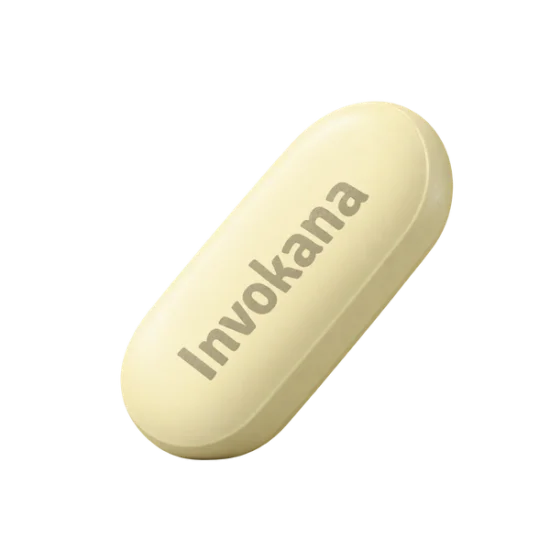
Invokana contains canagliflozin, an oral antidiabetic agent from the sodium-glucose co-transporter-2 inhibitor, or SGLT2 inhibitor, class. It is a prescription-only tablet treatment, and the regimen for the chosen strength should be confirmed with a healthcare professional before starting.
Active ingredient profile
Canagliflozin acts independently of insulin for part of its glucose-lowering effect. This matters when pancreatic insulin production is reduced, which is common as type 2 diabetes progresses.
The European Medicines Agency describes canagliflozin as an SGLT2 inhibitor for adults with insufficiently controlled type 2 diabetes, used alone when metformin is unsuitable or alongside other glucose-lowering treatments [1].
Directions for use
Invokana is used by adults with type 2 diabetes who need additional glycaemic control. It contains canagliflozin, which helps the kidneys pass excess glucose into urine, and may support cardiovascular and kidney outcomes in selected adults when clinically appropriate.
Formulation
Invokana contains canagliflozin, an oral antidiabetic agent from the sodium-glucose co-transporter-2 inhibitor, or SGLT2 inhibitor, class. It is a prescription-only tablet treatment, and the regimen for the chosen strength should be confirmed with a healthcare professional before starting.
Active ingredient profile
Canagliflozin acts independently of insulin for part of its glucose-lowering effect. This matters when pancreatic insulin production is reduced, which is common as type 2 diabetes progresses.
The European Medicines Agency describes canagliflozin as an SGLT2 inhibitor for adults with insufficiently controlled type 2 diabetes, used alone when metformin is unsuitable or alongside other glucose-lowering treatments [1].
Mechanism of action
SGLT2 proteins sit in the kidney’s proximal tubules and normally reclaim glucose from filtered urine back into the bloodstream. Canagliflozin partially blocks this process. More glucose then leaves the body through urine, reducing circulating glucose without requiring an extra insulin release.
This mechanism also explains several practical effects. Urination may become more frequent, especially early in treatment. Urine glucose tests can remain positive because the medicine is designed to increase urinary glucose loss. The calorie loss in urine can contribute to modest weight reduction for some people, though weight response varies. Blood pressure may also fall slightly because glucose carries water with it into the urine. These effects can be useful, yet they also make hydration and kidney-function monitoring clinically relevant.
The MHRA product information for canagliflozin identifies increased urinary glucose excretion as its principal pharmacological action and explains its use with diet, activity, and other diabetes treatments where needed [2].
Therapeutic indications
Type 2 diabetes raises the long-term risk of atherosclerotic cardiovascular disease, heart failure, and chronic kidney disease. Invokana can lower glucose, but its clinical value extends beyond HbA1c for selected adults with established cardiovascular disease or diabetic kidney disease.
The CANVAS Programme found that canagliflozin reduced the combined outcome of cardiovascular death, non-fatal heart attack, and non-fatal stroke compared with placebo in adults with type 2 diabetes at high cardiovascular risk [3]. The trial also identified a higher rate of lower-limb amputation, which remains a material limitation when assessing suitability.
Kidney protection is linked to several effects: reduced intraglomerular pressure, modest blood-pressure reduction, and less glucose-related metabolic stress. In the CREDENCE trial, canagliflozin reduced the risk of kidney failure and major renal or cardiovascular events in people with type 2 diabetes and albuminuric chronic kidney disease [4].
Common mistakes
Several avoidable errors can make treatment harder to tolerate or less useful:
- Taking the tablet late in the day and then being disturbed by nighttime urination.
- Reducing or stopping prescribed insulin independently after glucose readings improve.
- Ignoring genital itching, soreness, discharge, or urinary burning until symptoms become severe.
- Continuing treatment through vomiting, very poor fluid intake, or prolonged fasting without seeking clinical advice.
- Starting an extreme low-carbohydrate diet without discussing ketoacidosis risk.
- Dismissing new foot wounds because they seem small or painless.
- Using urine glucose strips to judge whether treatment is working.
Reasons not to use it
Invokana is not for you if you have a known allergy to canagliflozin or any tablet ingredient. It is also not used for type 1 diabetes because of the increased risk of diabetic ketoacidosis.
Avoid starting treatment in severe kidney impairment or kidney failure unless a specialist has specifically assessed the situation. Reduced kidney function can limit glucose-lowering benefit and increase treatment complexity. Pregnancy and breastfeeding require individual medical assessment, as SGLT2 inhibitors are generally avoided during these periods.
Extra caution is needed when there is:
- a history of diabetic ketoacidosis;
- repeated genital or urinary infections;
- low blood pressure, dehydration, or frequent fainting;
- peripheral arterial disease, diabetic foot ulcers, neuropathy, or previous amputation;
- a very low-carbohydrate diet, heavy alcohol intake, prolonged fasting, or acute illness;
- planned major surgery or a procedure requiring fasting.
Unwanted effects
Most adverse effects arise from glucose and fluid leaving through urine. Genital fungal infections, urinary tract infections, thirst, increased urination, constipation, nausea, and dizziness can occur. Genital thrush is usually treatable, though recurrent infections need clinical review.
Serious adverse effects are uncommon but require prompt action. Diabetic ketoacidosis can occur even when glucose is not markedly elevated. Symptoms include nausea, vomiting, stomach pain, deep or rapid breathing, unusual fatigue, or a sweet smell on the breath. Severe dehydration may cause fainting, marked dizziness, or reduced urine output. A severe allergic reaction can involve facial swelling, wheezing, widespread rash, or difficulty breathing.
The FDA prescribing information lists genital mycotic infections, urinary tract infections, and increased urination among recognised adverse reactions, alongside warnings for ketoacidosis, volume depletion, serious urinary infections, and lower-limb amputation risk [5].
People with reduced sensation in their feet may miss a small blister, crack, or cut. Daily foot inspection is a sensible routine because diabetes itself can impair circulation and healing.

Comparison
| Treatment approach | Main action | Clinical role |
|---|---|---|
| Canagliflozin | Increases urinary glucose excretion through SGLT2 inhibition | Glycaemic control with cardiovascular and renal benefits for suitable adults |
| Insulin-based treatment | Replaces or supplements insulin activity | Needed when insulin deficiency is substantial or glucose remains uncontrolled |
| GLP-1 receptor agonist treatment | Enhances glucose-dependent insulin release and reduces appetite | Often selected when weight reduction or cardiovascular benefit is a priority |
| Active ingredient or class | Mechanism | Distinguishing consideration |
|---|---|---|
| Canagliflozin | SGLT2 inhibition in the kidneys | Strong evidence in diabetic kidney disease, with foot-risk assessment required |
| Empagliflozin | SGLT2 inhibition in the kidneys | Similar glucose-lowering pathway and cardiovascular outcome evidence |
| Dapagliflozin | SGLT2 inhibition in the kidneys | Similar pathway, widely used in heart failure and chronic kidney disease care |
Metformin often remains a foundation treatment. GLP-1 receptor agonists may be preferred where substantial weight reduction is a major clinical goal. Insulin may be needed. This applies when non-insulin treatments fail or insulin deficiency is prominent.
What doctors say
Clinicians usually assess more than the HbA1c result before choosing Invokana. Kidney filtration, urine albumin, blood pressure, history of heart disease, recurrent infections, hydration habits, and foot circulation all affect the balance of benefit and risk.
In routine diabetes care, doctors often see the best outcomes when people understand that increased urination is an expected mechanism, not proof that the tablets have stopped working. They also emphasise sick-day planning early, because ketoacidosis risk is linked more closely to dehydration, fasting, illness, and reduced insulin than to a single glucose reading.
For adults with albuminuric diabetic kidney disease, canagliflozin may offer a valuable organ-protection role alongside glucose control. For someone with active foot ulceration, severe dehydration, or repeated ketoacidosis, another approach may be more suitable.
Comparison
Diabecon
Glyxambi
Invokana Current
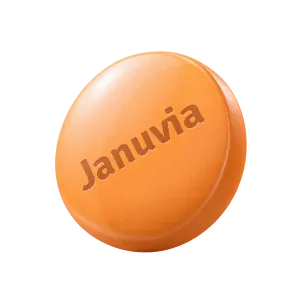
Januvia
What customers often ask
Can Invokana be combined with insulin or sulfonylurea medicines?
Yes, clinicians may prescribe canagliflozin with insulin or a sulfonylurea when additional glucose lowering is needed. The combination increases the chance of hypoglycaemia because insulin and sulfonylureas lower glucose directly, while canagliflozin adds a separate glucose-lowering pathway. The MHRA product information issued in 2024 advises that a reduction in insulin or secretagogue dose may be considered to reduce this risk. Symptoms such as sweating, shaking, hunger, confusion, or palpitations need prompt glucose checking and treatment.
How long does one Invokana tablet keep working?
Canagliflozin is intended for once-daily use, with glucose excretion through the urine continuing across the dosing interval. Its blood levels decline over time, yet its effect on kidney glucose transport supports a daily dosing schedule rather than occasional use. The EMA product information, updated in 2024, describes daily administration for ongoing glycaemic management. Consistent daily use matters more than judging benefit from a single blood glucose reading.
What happens if Invokana is stopped, and does it need tapering?
Invokana does not usually require dose tapering because it does not cause dependence or withdrawal. Blood glucose can rise after stopping because the kidney no longer passes the same amount of glucose into urine. The WHO diabetes guidance published in 2023 stresses that treatment changes should account for the person’s full glucose-lowering regimen and cardiovascular or kidney risk. Do not stop it independently during illness, fasting, or surgery; obtain specific clinical instructions because temporary interruption may be appropriate in those settings.
What should I do after a missed Invokana dose?
Take the missed tablet when remembered on the same day, unless it is nearly time for the next scheduled dose. Do not double the dose. The NHS medicines guidance updated in 2024 advises avoiding double doses for medicines taken once daily, as this can increase adverse effects without restoring the missed interval. A repeated missed-dose pattern is worth discussing because it may call for a simpler routine or reminder strategy.
What is the best time of day to take Invokana?
Invokana is generally taken before the first meal of the day, which can make it easier to remember and may reduce disruption from increased urination later at night. Taking it at a similar time each morning supports stable daily use. The MHRA prescribing information available in 2024 supports morning administration before food. If a work schedule makes mornings difficult, a prescriber can advise on a practical timing plan that still preserves once-daily use.
Do you offer anonymous delivery?
Your order will be securely packed and shipped within 24 hours. This is exactly what your package will look like (images of an actual item sent). It has the size and look of a regular private letter (24x11x0.7 cm) and its contents cannot be seen.
How Buyers Rate Invokana
The routine was easy enough once I linked it to breakfast. I had a fungal infection after the first month, which was uncomfortable and annoying, but it cleared after treatment and I was more careful about keeping the area dry.
My diabetes nurse was pleased with the direction of my blood results and blood pressure. I already had numb feet, so the regular foot checks felt like extra work, but they became part of getting dressed each morning.
I expected it to solve high readings on its own, and that was unrealistic. When I had a stomach bug, I was told to get advice quickly because I could not keep fluids down. That part of the plan had not really sunk in before.
Sources
- European Medicines Agency (2024). Invokana: Summary of Product Characteristics.
- Medicines and Healthcare products Regulatory Agency (2024). Canagliflozin: Summary of Product Characteristics.
- New England Journal of Medicine (2017). Canagliflozin and Cardiovascular and Renal Events in Type 2 Diabetes.
- New England Journal of Medicine (2019). Canagliflozin and Renal Outcomes in Type 2 Diabetes and Nephropathy.
- U.S. Food and Drug Administration (2023). INVOKANA (canagliflozin) Prescribing Information.