Skip to content
Prandin

Prandin

Quality products
24/7 Support
Fast delivery
Delivery from 4 days
Active ingredient Repaglinide

Free delivery on orders from £ 166.00, free express delivery from £ 249.00

Prandin contains repaglinide, an oral treatment for adults with type 2 diabetes. It stimulates the pancreas to release insulin around meals, helping reduce post-meal blood glucose alongside nutrition, physical activity and glucose monitoring.

Overview

Prandin is the branded name for repaglinide, a short-acting insulin secretagogue in the meglitinide class. Repaglinide works on pancreatic beta cells, which are specialised cells that release insulin when blood glucose rises. Increased insulin helps move glucose from the bloodstream into body tissues.

Directions for use

Prandin tablets are available in different strengths. The prescribed strength is selected according to pre-meal glucose, HbA1c results, previous diabetes treatment, meal frequency and organ function.

The regimen for the chosen strength should be confirmed with a healthcare professional before starting. Dose changes are clinician-directed and may involve gradual adjustment based on glucose readings and tolerability.

  • Take the prescribed tablet shortly before the relevant meal.
  • Skip the corresponding dose when the meal is skipped.
  • Do not double the next dose after a missed tablet.
  • Do not change between tablet strengths without confirmation.
  • Follow the prescribed maximum daily limit.
  • Record unusual glucose readings so the treatment plan can be reviewed accurately.

A generic repaglinide tablet contains the same active ingredient when supplied at the same strength. Substitution still requires confirmation that the strength and directions match the intended prescription.

Keep a note of the tablet strength after any dose change. Confusing tablets of different strengths can produce a meaningful difference in glucose-lowering effect.

Practical administration of Prandin

Prandin is usually taken shortly before eating. It is linked to meals rather than a fixed bedtime schedule.

A typical daily pattern may involve:

  • a prescribed dose before breakfast;
  • a prescribed dose before lunch;
  • a prescribed dose before the evening meal.

The exact number of daily doses depends on the prescribed regimen and eating pattern. If breakfast is delayed, the dose should remain linked to the meal rather than the usual clock time. If lunch is skipped, the lunchtime dose is generally omitted.

Taking a meal-linked insulin secretagogue without eating can increase the risk of low blood glucose. This risk is easy to overlook when an appointment, journey or work shift disrupts normal meals.

Meals determine the timing. Tablets should be swallowed as directed. Glucose checks are useful when symptoms occur, meals change, illness develops or treatment has recently been adjusted.

When meal times are irregular, write the meal beside each dose in a diary for several days. This can reveal whether low readings follow a skipped meal, delayed food or a dose-timing error.

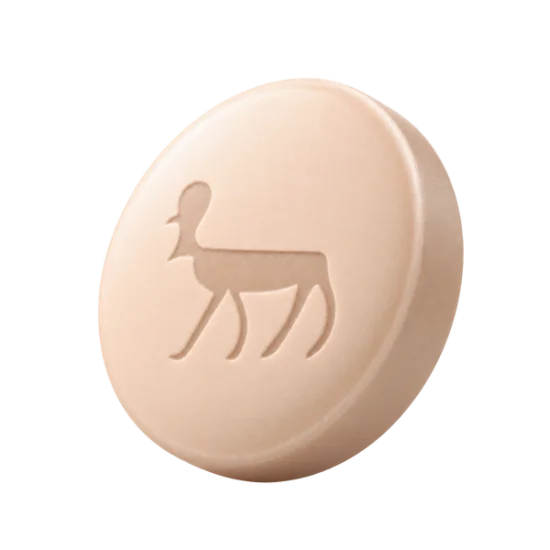
Formulation

Prandin is the branded name for repaglinide, a short-acting insulin secretagogue in the meglitinide class. Repaglinide works on pancreatic beta cells, which are specialised cells that release insulin when blood glucose rises. Increased insulin helps move glucose from the bloodstream into body tissues.

Prandin belongs to the wider group of oral diabetes medications used with diet and exercise. It is intended for adults with type 2 diabetes whose glucose remains above the individual treatment target despite lifestyle measures. It does not replace prescribed insulin in type 1 diabetes, where pancreatic insulin production is absent or severely reduced.

The active ingredient may appear in scientific references as Repaglinide, Répaglinide, Repaglinidum or Repaglinida. These names refer to the same active substance.

Repaglinide pharmacological class

Repaglinide is a short-acting meglitinide. Unlike medicines that work continuously throughout the day, it is taken in relation to meals. Its short action can suit some adults whose meal times vary, although every dose still needs to follow the prescribed regimen.

The main limitation is hypoglycaemia, meaning blood glucose becomes too low. The risk rises when insulin release is stimulated but food is delayed, reduced or missed.

Meal-linked pancreatic insulin release

Repaglinide encourages the pancreas to release insulin near mealtimes. The response is designed to address the rise in glucose that follows eating rather than provide a fixed background insulin effect.

A missed meal generally means the corresponding Prandin dose is skipped, according to the prescriber’s instructions. Do not take an extra tablet later to compensate.

Mechanism of action

Repaglinide stimulates pancreatic beta cells to release insulin when blood glucose rises. The resulting increase in insulin helps move glucose from the bloodstream into body tissues. Its pharmacological effect is a short-acting, meal-linked stimulation of pancreatic insulin release rather than a fixed background insulin effect.

Therapeutic indications

Prandin is used to improve blood glucose control in adults with type 2 diabetes when nutrition and physical activity alone do not achieve the intended target. It may be prescribed alone or alongside another glucose-lowering treatment when the clinical plan requires more than one mechanism.

Treatment goals vary. A suitable plan depends on blood glucose readings, HbA1c, meal patterns, kidney and liver health, other medicines and the person’s ability to recognise low glucose.

Prandin does not cure diabetes. It supports glucose management while the underlying condition continues to require monitoring and long-term care.

Common mistakes

Several errors can reduce glucose control or increase adverse effects:

  • taking the tablet after finishing a meal rather than shortly before it;
  • taking a dose when the planned meal has been cancelled;
  • doubling the next dose after forgetting one;
  • confusing 0.5 mg, 1 mg and 2 mg strengths;
  • ignoring repeated low readings because they resolve quickly;
  • assuming an absence of symptoms means glucose is controlled;
  • starting another medicine without checking for interactions;
  • treating every dizziness episode with an additional Prandin tablet.

A glucose reading can change without obvious symptoms. Recording meals, doses, activity and readings gives the prescriber useful information when patterns are unclear.

Do not make a personal dose adjustment because one reading is high or low. Repeated patterns are more useful than a single result, especially after illness, travel, unusual exercise or a change in meal size.

Reasons not to use it

Prandin is not suitable for every person with diabetes. This medication is not for you if you have type 1 diabetes, diabetic ketoacidosis, or an allergy to repaglinide or an ingredient in the prescribed product.

Treatment requires specialist review or careful monitoring in the following situations:

  • significant liver disease;
  • recurrent or severe hypoglycaemia;
  • reduced kidney function;
  • very irregular meals;
  • pregnancy or plans to become pregnant;
  • breastfeeding;
  • previous serious reaction to a glucose-lowering medicine;
  • use of insulin or several other glucose-lowering medicines.

When this is not for you

Prandin may not be suitable if you have type 1 diabetes or diabetic ketoacidosis, or if you have had an allergic reaction to repaglinide or one of the product’s ingredients. Speak with a specialist before using it if you have liver or kidney problems, frequent low blood sugar, very irregular meals, are pregnant or breastfeeding, or use insulin or several other diabetes medicines.

Unwanted effects

Hypoglycaemia is the main clinically significant adverse effect associated with repaglinide. Symptoms can include sweating, shaking, hunger, dizziness, weakness, blurred vision, palpitations, irritability and confusion.

Other possible adverse effects include abdominal discomfort, diarrhoea, nausea, headache and changes in liver-related blood tests. The authorised product information describes the frequency and clinical significance of these reactions, and the FDA prescribing information identifies hypoglycaemia as a central safety concern [1].

Possible effect Action
Sweating, shaking, hunger or dizziness Check glucose when possible and use the rapid-glucose plan provided for diabetes care
Confusion, marked weakness or inability to treat yourself Treat as urgent; another person should seek emergency help
Facial swelling, breathing difficulty or widespread rash Stop taking further doses and obtain urgent medical help

When a person is awake and able to swallow, the agreed rapid-glucose treatment should be used. Glucose should then be rechecked according to the diabetes plan, with further food if needed to prevent recurrence.

Severe confusion, loss of consciousness, seizure or inability to swallow requires emergency assistance. Do not give food or drink to an unconscious person.

One common mistake is taking another Prandin tablet because low glucose feels uncomfortable. Extra repaglinide can prolong or worsen the problem.

Alcohol can make glucose control less predictable and may make recognition of hypoglycaemia harder. It can also contribute to missed meals or delayed treatment.

Keep rapid glucose in a place that is easy to reach, not buried at the bottom of a work bag or left in a different room. Tell a trusted person how low-glucose symptoms appear for you.

Comparison

Repaglinide is one option among several glucose-lowering approaches. Selection depends on cardiovascular and kidney status, weight considerations, hypoglycaemia risk, meal pattern, HbA1c and treatment preferences.

Treatment category Main action and meal relationship
Repaglinide or nateglinide Stimulate pancreatic insulin release around meals; low glucose remains a key risk
Metformin, thiazolidinediones or DPP-4 inhibitors Improve insulin response or reduce glucose production; meal dependence and adverse effects vary
SGLT2 inhibitors or alpha-glucosidase inhibitors Increase urinary glucose loss or delay carbohydrate breakdown and absorption; monitoring depends on the class

Sulfonylureas such as glipizide, glimepiride and glyburide also stimulate the pancreas to release insulin, but their duration and hypoglycaemia profile differ from repaglinide. Nateglinide is another short-acting insulin secretagogue.

Metformin, a biguanide, reduces hepatic glucose production and improves insulin sensitivity. Pioglitazone and rosiglitazone, from the thiazolidinedione group, improve insulin sensitivity but have different precautions.

Sitagliptin, linagliptin, alogliptin and saxagliptin are DPP-4 inhibitors. Miglitol and acarbose are alpha-glucosidase inhibitors that delay carbohydrate breakdown and reduce the speed of glucose absorption. Dapagliflozin, empagliflozin and canagliflozin are SGLT2 inhibitors that increase glucose excretion through urine.

No single class is suitable for every adult with type 2 diabetes. NICE guidance stresses individualised treatment selection according to clinical risks, comorbidities and treatment goals [2].

What doctors say

In clinical practice, prescribers often focus first on meal regularity. Prandin can be considered when a short-acting, meal-linked insulin response fits the person’s eating pattern, but the same mechanism creates a risk of hypoglycaemia if food is delayed.

A prescriber may assess:

  • whether the pancreas still produces insulin;
  • pre-meal and post-meal glucose patterns;
  • HbA1c and recent treatment changes;
  • kidney and liver function;
  • frequency and size of meals;
  • ability to recognise and treat low glucose;
  • concurrent medicines and alcohol intake;
  • previous episodes of severe hypoglycaemia.

Variable meal schedules do not automatically make Prandin unsuitable. They do require clear instructions, because each dose is connected to a meal.

Clinicians may also examine whether glucose readings are high after meals but acceptable at other times. A meal-linked medicine may fit that pattern better than a treatment with a long, fixed daily action, though the final choice depends on the whole clinical picture.

Comparison

Comparison table: Diabetes

What customers often ask

Can Prandin be used during pregnancy or breastfeeding?

Pregnancy and breastfeeding require an individual treatment review because glucose targets and preferred medicines can change during this period. Repaglinide should not be started, continued or stopped without a clinician-led decision based on the person’s diabetes control and pregnancy status. The NHS pregnancy and diabetes guidance available in 2026 supports early treatment review when pregnancy is planned or confirmed. The prescriber should also know whether breastfeeding has started or is planned. A diabetes team can revisit the plan as pregnancy progresses.

How soon does the effect of Prandin become noticeable?

Repaglinide is designed to act around the meal associated with the dose, so its glucose-lowering effect is linked to the post-meal period rather than a distant delayed response. The effect on HbA1c requires repeated readings over time and cannot be judged from one tablet or one glucose result. UK product information reviewed through the MHRA framework in 2025 describes repaglinide as a short-acting meal-related treatment. A clinician may assess several days or weeks of readings before changing the strength.

Which symptoms mean that Prandin should be stopped and medical help sought urgently?

Severe confusion, loss of consciousness, seizure or inability to swallow can indicate serious hypoglycaemia and requires emergency help. Facial swelling, breathing difficulty or a widespread allergic reaction also needs urgent medical assessment. The MHRA safety framework in 2025 treats severe hypoglycaemia as a serious clinical event, even when glucose later returns to normal. Do not give food or drink to an unconscious person, and do not take another Prandin dose to treat symptoms.

How long does a Prandin course last, and is long-term use acceptable?

Prandin may form part of long-term type 2 diabetes treatment when it continues to improve glucose control and remains suitable for the person’s health status. The duration is not a fixed course because diabetes treatment is reviewed through HbA1c, home readings, kidney and liver tests, meal patterns and adverse effects. WHO diabetes guidance in 2025 supports ongoing reassessment of glucose-lowering treatment as health needs change. Long-term use should be reviewed rather than continued automatically.

What should be discussed with a doctor before starting Prandin?

Discuss type 1 diabetes, previous ketoacidosis, liver disease, kidney problems, pregnancy plans, breastfeeding, recurrent low glucose and allergy history. Provide a complete list of medicines, supplements, alcohol use and typical meal times. The MHRA repaglinide product information in 2025 identifies interactions and organ function as relevant prescribing considerations. The review should also confirm the chosen strength and the regimen for that strength before the first dose.

Can alcohol be used while taking Prandin?

Alcohol can make glucose control less predictable and may make early hypoglycaemia symptoms harder to recognise. Drinking may also lead to a missed meal, delayed food or poor judgement about taking a meal-linked dose. NHS diabetes information in 2026 advises discussing alcohol patterns as part of diabetes self-management. A person who drinks should have a clear plan for food, glucose monitoring and the prescribed dose schedule.

Does Prandin cause weight gain?

Weight gain can occur with insulin-releasing diabetes medicines, although the amount differs between individuals and cannot be predicted from the product name alone. Changes in appetite, meal size, glucose control and activity also influence weight. The MHRA product information in 2025 lists weight-related monitoring as part of ongoing diabetes care rather than a guaranteed outcome. Rapid unexplained weight change should be discussed during treatment review.

Do you offer anonymous delivery?

Your order will be securely packed and shipped within 24 hours. This is exactly what your package will look like (images of an actual item sent). It has the size and look of a regular private letter (24x11x0.7 cm) and its contents cannot be seen.

Prandin, nutrition and physical activity

Prandin works alongside a balanced eating pattern and regular physical activity. Consistent carbohydrate portions can make glucose responses easier to interpret, but restrictive diets or sudden major changes may increase the risk of low readings.

Physical activity can lower blood glucose during exercise and for a period afterwards. Unplanned strenuous activity may produce a different response from a familiar walk or routine exercise session.

Practical measures include:

  • eating according to the agreed diabetes plan;
  • checking glucose when activity is longer or harder than usual;
  • carrying a rapid source of glucose when the diabetes team considers this appropriate;
  • keeping meal timing consistent during periods of increased activity;
  • recording exercise-related low readings.

A diabetes clinician may need to review the regimen when exercise becomes more frequent, meals become smaller or body weight changes substantially.

How Buyers Rate Prandin

3.8
Based on 4 reviews
Harry, 66
Cardiff
Several months
Verified
Rating: 3.5 out of 5

I used the prescribed meal-linked regimen for several months. My after-meal readings improved, but I had two shaky episodes when lunch was delayed, so I started carrying glucose tablets and writing down meal times.

6 Oct 2026
Ben K., 32
Sunderland
Verified
Rating: 3.5 out of 5

I found the timing easier than a tablet tied to bedtime because my shifts changed each week. The first strength adjustment confused me, and I needed to organise the tablets separately to avoid taking the old dose.

14 Oct 2026
Michael, 47
Coventry
The first few weeks
Verified
Rating: 4 out of 5

Prandin helped reduce high readings after dinner during the first few weeks. I still had to change portion sizes and walk more regularly; the tablets did not compensate for missed meals and irregular routines.

20 Oct 2026
Adam, 49
London
Verified
Rating: 4 out of 5

I stopped taking a dose after skipping breakfast and felt better than on the day I had taken it without food. My readings were still inconsistent, so the treatment plan needed review rather than another tablet.

1 Nov 2026

Sources

  1. U.S. Food and Drug Administration (2019). Prandin (repaglinide) Prescribing Information.
  2. National Institute for Health and Care Excellence (2022). Type 2 diabetes in adults: management (NG28).
Get our free app Shop faster and track your orders 3.9 · 425 reviews Install