The first week brought mild nausea, mainly after breakfast. Smaller meals helped, and my glucose readings became steadier by the second month. I still needed to keep checking them.
Rybelsus
Rybelsus is an oral tablet containing semaglutide for adults with type 2 diabetes. As a GLP-1 receptor agonist, it helps the body release insulin when glucose is elevated, reduces glucagon release and slows stomach emptying.
Overview
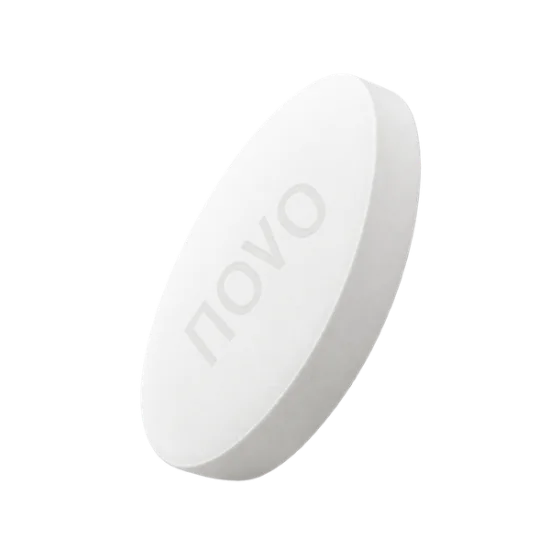
Rybelsus contains semaglutide, an oral GLP-1 receptor agonist used for glycaemic control in adults with type 2 diabetes. The product is associated with Novo Nordisk and is supplied as tablets. Semaglutide imitates the activity of the naturally occurring hormone glucagon-like peptide-1, or GLP-1.
Directions for use
The regimen for the chosen strength should be confirmed with a healthcare professional before starting. Oral semaglutide treatment normally begins with a lower prescribed strength, followed by gradual escalation when additional glucose control is needed and tolerability permits.
Administration principles include:
- take one prescribed dose once daily;
- take it on an empty stomach after waking;
- use a small amount of plain water;
- swallow the tablet whole;
- wait at least 30 minutes before eating, drinking other fluids or taking other oral medicines;
- take it at approximately the same time each day;
- do not take two doses together after a missed dose.
The waiting period is easy to underestimate. Taking breakfast or another tablet immediately after Rybelsus may reduce absorption and make treatment appear less effective. Coffee, juice and mineral water are not equivalent to plain water for administration.
If a dose is missed, the usual approach is to skip it and take the next scheduled dose. A double dose can increase nausea, vomiting and dehydration.
Formulation
Rybelsus contains semaglutide, an oral GLP-1 receptor agonist used for glycaemic control in adults with type 2 diabetes. The product is associated with Novo Nordisk and is supplied as tablets. Semaglutide imitates the activity of the naturally occurring hormone glucagon-like peptide-1, or GLP-1.
GLP-1 is released after eating. It helps coordinate insulin secretion, glucagon regulation, appetite and the movement of food through the stomach. Rybelsus uses this pathway to support blood-glucose management rather than supplying insulin directly.
The treatment may be prescribed alone or alongside medicines such as metformin, depending on the individual treatment plan. Its licensed role is type 2 diabetes management. Weight reduction can occur during treatment, but Rybelsus should not be treated as a primary weight-loss product.
Mechanism of action
Semaglutide imitates the activity of glucagon-like peptide-1 (GLP-1) by activating GLP-1 receptors. This helps the body release insulin when blood glucose is elevated and reduces glucagon release. It also slows stomach emptying, helping glucose enter the bloodstream more gradually after eating.
Therapeutic indications
The treatment may be prescribed alone or alongside medicines such as metformin, depending on the individual treatment plan. Its licensed role is type 2 diabetes management. Weight reduction can occur during treatment, but Rybelsus should not be treated as a primary weight-loss product.
Common mistakes
Several practical errors can reduce the benefit of oral semaglutide:
- taking the tablet with coffee, tea, juice or a large glass of water;
- eating within the waiting period;
- taking other tablets at the same time;
- crushing or chewing the tablet;
- increasing the dose without the planned schedule;
- using Rybelsus with another semaglutide product;
- doubling the next dose after forgetting one;
- ignoring repeated vomiting or severe abdominal pain;
- stopping diabetes medicines abruptly without a replacement plan;
- judging success only by appetite or body weight.
One overlooked issue is dehydration. Diarrhoea and vomiting can reduce fluid intake, and dehydration can place extra stress on the kidneys. A person who cannot keep fluids down needs prompt medical advice rather than another dose.
Another mistake is assuming that reduced appetite means diabetes is automatically controlled. Some people eat less but still have elevated glucose, especially when other medicines have been changed. HbA1c and glucose monitoring remain useful.
Reasons not to use it
Rybelsus is not suitable for everyone. A treatment plan needs to account for medical history, current medicines and the reason for using semaglutide.
- you have had a serious allergic reaction to semaglutide or an excipient in the tablet;
- you have type 1 diabetes or diabetic ketoacidosis;
- you are already using another semaglutide-containing product without a prescriber-directed switch;
- severe gastrointestinal disease makes delayed stomach emptying clinically unsafe;
- persistent vomiting or dehydration is already present;
- pregnancy is current or pregnancy is being planned without an appropriate treatment review.
Semaglutide can affect the absorption of oral medicines by slowing gastric emptying. This matters for medicines with a narrow therapeutic index, such as warfarin, where monitoring may be needed after treatment changes. People using insulin or sulfonylureas may require adjustment of those medicines because hypoglycaemia risk can rise.
Rybelsus should not be used for diabetic ketoacidosis. It is also not a replacement for insulin in someone whose body does not produce sufficient insulin. People with a history of pancreatitis, gallbladder disease, diabetic retinopathy or kidney impairment need focused clinical assessment before and during treatment.
Pregnancy requires a separate approach. Semaglutide should be stopped before a planned pregnancy for the interval specified by the prescriber because the medicine remains in the body for a prolonged period. Breastfeeding decisions also require an individual review of diabetes treatment and infant-feeding plans.
When this is not for you
Rybelsus is not for you if:
- you have had a serious allergic reaction to semaglutide or an excipient in the tablet;
- you have type 1 diabetes or diabetic ketoacidosis;
- you are already using another semaglutide-containing product without a prescriber-directed switch;
- severe gastrointestinal disease makes delayed stomach emptying clinically unsafe;
- persistent vomiting or dehydration is already present;
- pregnancy is current or pregnancy is being planned without an appropriate treatment review.
Unwanted effects
The most common adverse effects of Rybelsus involve the digestive system. Nausea, diarrhoea, vomiting, constipation, abdominal discomfort and reduced appetite may occur, especially after starting treatment or increasing the prescribed dose.
Nausea often improves when meals are smaller and less rich in fat. Eating slowly can help. Large meals may feel uncomfortable because semaglutide slows gastric emptying.
Other possible effects include:
- indigestion or reflux;
- stomach pain;
- headache;
- tiredness;
- dizziness;
- dehydration after persistent vomiting or diarrhoea;
- low blood glucose when used with insulin or a sulfonylurea.
Hypoglycaemia means blood glucose has fallen below the person’s target range. Symptoms may include sweating, shaking, palpitations, hunger, blurred vision, confusion or unusual weakness. The risk is higher when Rybelsus is combined with insulin or medicines that stimulate insulin release.
Rare but serious problems require urgent medical assessment. Severe, persistent abdominal pain that may extend to the back can indicate pancreatitis. Repeated vomiting, very low urine output or marked dizziness may indicate dehydration. Sudden changes in vision require prompt assessment, especially in people with diabetic eye disease.
Allergic reactions are uncommon but can cause facial swelling, breathing difficulty, widespread rash or faintness. These symptoms require emergency care.
The product information identifies gastrointestinal reactions, hypoglycaemia with certain combinations and pancreatitis as clinically relevant safety considerations [1].

Comparison
Medicines used for diabetes and weight management differ in active substance, route, licensed indication and monitoring needs. Brand names can appear similar in everyday discussion, yet they are not interchangeable.
| Treatment | Active substance and class | Main distinction |
|---|---|---|
| Rybelsus | Semaglutide; oral GLP-1 receptor agonist | Tablet for type 2 diabetes |
| Wegovy or Ozempic | Semaglutide; GLP-1 receptor agonist | Injectable formulations with different licensed uses |
| Mounjaro, Trulicity, Saxenda, Mysimba or alli | Tirzepatide, dulaglutide, liraglutide, naltrexone/bupropion or orlistat | Different mechanisms, routes or treatment goals |
Mounjaro contains tirzepatide, which acts on GIP and GLP-1 receptors. Trulicity contains dulaglutide and is an injectable GLP-1 receptor agonist for type 2 diabetes. Saxenda contains liraglutide and is licensed for weight management in defined circumstances.
Mysimba combines naltrexone with bupropion. Its action differs from GLP-1 medicines because it affects appetite-regulation pathways in the central nervous system. alli contains orlistat, which reduces the absorption of dietary fat in the intestine rather than changing insulin or glucagon signalling.
Foundayo is associated with orforglipron, an oral small-molecule GLP-1 receptor agonist under development. Its regulatory status and clinical role are separate from Rybelsus. Treatment choice depends on diabetes control, kidney function, gastrointestinal history, concurrent medicines, weight-related indications and the person’s ability to follow the administration instructions.
What doctors say
In clinical practice, doctors usually assess Rybelsus by looking at HbA1c, home glucose readings, weight trend, gastrointestinal symptoms, kidney function and the other medicines being used. A single high or low reading does not show the full response.
Endocrinology teams often explain that the early phase is about tolerability as much as glucose lowering. Increasing the dose too quickly, taking extra tablets after a missed dose or continuing through persistent vomiting can create avoidable problems.
A clinician may review insulin or sulfonylurea treatment after starting semaglutide. The reason is pharmacological: improved glucose control combined with insulin-releasing medicines can make hypoglycaemia more likely.
Retinopathy also deserves attention. Rapid improvement in glucose control can temporarily affect diabetic eye disease in susceptible people, so new floaters, blurred vision or visual loss should be reported promptly.
The MHRA advises attention to serious adverse reactions and appropriate reporting of suspected medicine-related harm. Treatment decisions should be based on measurable glucose control, tolerability and the person’s wider health rather than weight change alone [2].
Comparison
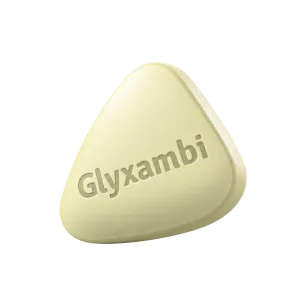
Glyxambi
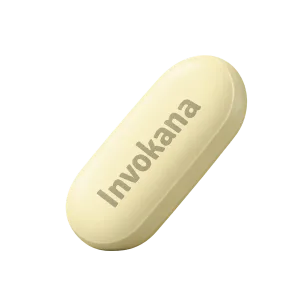
Invokana
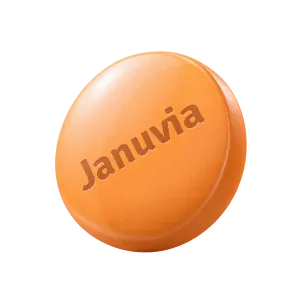
Januvia
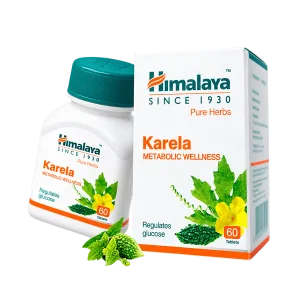
Karela
What customers often ask
Can Rybelsus be used during pregnancy or breastfeeding?
Rybelsus is not suitable during pregnancy unless a specialist has made a specific treatment decision. Semaglutide should be stopped before planned pregnancy for the interval advised by the prescriber, because it has a prolonged duration in the body. The EMA product information (2024) requires pregnancy planning to be considered when semaglutide is prescribed. Breastfeeding also needs an individual review of diabetes control, alternatives and infant-feeding plans.
How long does a Rybelsus course last, and is long-term use acceptable?
Type 2 diabetes treatment is often long term, with continuation based on HbA1c, glucose readings, tolerability and clinical benefit. Rybelsus is not normally taken as a short course that ends automatically after a fixed number of weeks. NICE guidance updated in 2022 supports regular review of diabetes medicines and treatment goals. A dose may be changed or treatment stopped when the balance of benefit and adverse effects changes.
Which medical condition rules out Rybelsus?
Diabetic ketoacidosis rules out Rybelsus because it requires urgent insulin-based treatment rather than a GLP-1 receptor agonist. The MHRA (2024) also recognises the need to distinguish type 1 diabetes and ketoacidosis from type 2 diabetes management. Severe gastrointestinal disease, serious allergy to semaglutide and significant dehydration are other reasons for urgent treatment review. Rybelsus must not replace insulin in a person who needs insulin to prevent ketoacidosis.
Which symptoms mean that Rybelsus should be stopped and a doctor contacted urgently?
Severe or persistent abdominal pain, especially pain reaching the back, may indicate pancreatitis and needs urgent assessment. Repeated vomiting, inability to keep fluids down, very little urine, faintness or confusion may signal dehydration. Facial swelling, breathing difficulty or a widespread allergic rash requires emergency care. The WHO (2023) identifies prompt recognition of serious medicine reactions as an essential part of safe pharmacovigilance practice.
How soon can the effect of Rybelsus become noticeable?
Some people notice reduced appetite or lower glucose readings during the first weeks, while others notice little change until the prescribed dose has been established. HbA1c needs longer because it reflects average glucose over approximately two to three months. Results from the PIONEER programme, reported from 2019 to 2021, showed that response should be assessed over time rather than judged after one or two doses. The timing depends on the starting regimen, other diabetes medicines, diet, kidney function and individual physiology.
Do you offer anonymous delivery?
Your order will be securely packed and shipped within 24 hours. This is exactly what your package will look like (images of an actual item sent). It has the size and look of a regular private letter (24x11x0.7 cm) and its contents cannot be seen.
How Buyers Rate Rybelsus
My appetite fell and my weight changed gradually. Constipation was annoying during the first few weeks, and drinking more water helped. I found the morning waiting period harder than the tablet itself.
I felt less hungry, but the stomach symptoms were too uncomfortable after the dose increase. My prescriber paused the escalation, and the symptoms settled. The treatment was useful, but increasing quickly did not suit me.
My HbA1c improved at the follow-up appointment, and I preferred tablets to injections. I had one episode of diarrhoea after eating a heavy meal, although it did not continue.
I expected a fast result because my appetite changed early. The glucose improvement took longer to show clearly. I also missed a dose and nearly doubled the next one before checking the instructions with my treatment team.
Sources
- U.S. Food and Drug Administration (2024). Rybelsus (semaglutide) tablets — Prescribing Information.
- Medicines and Healthcare products Regulatory Agency (2024). Drug Safety Update: GLP-1 receptor agonists and safety information.